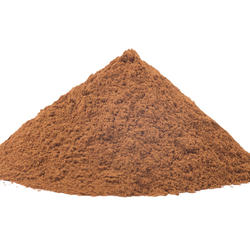
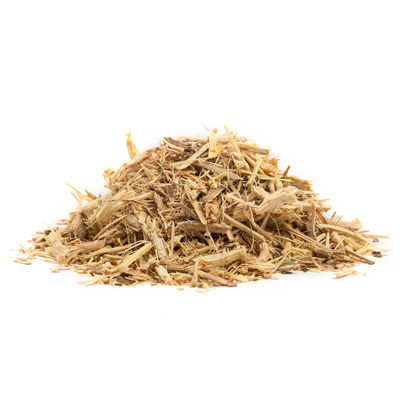
Siberian Ginseng Root (Eleutherococcus Senticosus) – Herb


A miracle, or "mere" root of the eleutherococcus senticosus? The so-called Siberian ginseng is both. Botanists marvel at the remarkable life cycle of this sturdy shrub native to East Asia. We love it for its ability to support physical and mental health, immunity, respiratory system, cognitive function and relaxation.
Shipping methods
| Nizozemská pošta HD - zásilkovna | Delivered by 21. 10. | 1,00 € |
|---|---|---|
 DHL DHL |
Delivered by 21. 10. | 4,90 € |


Ingredients
100 % GinsengBrew & Taste
Brew from ginseng is pale yellow in color and has a mild, bittersweet taste.
Origins
We should mention that the nomenclature of ginseng is bit tricky. It's very accurately described by traditional Chinese medicine, which works with the Panax ginseng plant (called true ginseng, ginseng allspice, Chinese ginseng, Korean ginseng, Asian ginseng), Panax quinquefolius (called five-leaf ginseng, American ginseng) and Eleutherococcus senticosus (called spiny eleutherococcus, spiny acanthopanax, Siberian ginseng).
The original word is Chinese for "root of man", as the shape can resemble a human body. It is one of the revered properties that also appears frequently in myths and fairy tales. They are said to summon love, health, beauty, but also money and potency. Burning them is said to ward off evil spirits and heal curses. The root of the ginseng is even said to grant wishes if you think intensely about them while clutching it in your palm and then throwing it into flowing water.
The true ginseng was used by people as early as the 4th century BC. Because it was and still is very unavailable and therefore rare and expensive, it is being replaced by Siberian ginseng, which has mostly the same properties.
Eleutherococcus senticosus, otherwise known devil's root or Siberian ginseng, is widespread in East Asia, especially in eastern Russia, northeastern China, Japan and Korea. It is a simple perennial growing up to 2m with elliptical leaves and light grey bark. Plants bear flowers and the fruit is an ovoid inedible berry. They contain thousands of seeds, which germinate in the second year. Siberian ginseng reproduces simultaneously by root divisions.
The plant is most poplar for its roots. In the 1950s, scientists confirmed that they could be used as a substitute for true ginseng because they contain the same nutrients, which can also be found in the leaves. Siberian ginseng roots are collected in late September and dried at temperatures up to 70⁰C.
Benefits of ingredients:

Herb packaging preview
We pack our herbs in a strong, zip-lock aluminum packet which allows you to easily re-seal its contents. Thanks to the hermetic seal, the herbs are protected against humidity, light and foreign odors, all of which could noticeably affect the quality of the brew and the herb itself.
Preparation
 boil
boil
|
 10 minutes
|
 1 teaspoon for 300-500 ml
|
Instructions for preparation
Pour 300-500ml of water per 1 teaspoon of ginseng.
Bring to a boil and simmer for 10 minutes.
Remove from heat and steep for 20 minutes up to overnight.
Strain and serve in the morning. Later hours may cause insomnia.


Are you looking for inspiration? Other customers have bought this:
China Gunpowder – Green Tea
Rooibos