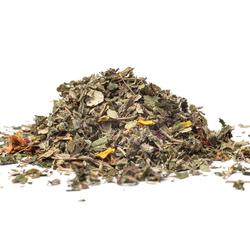
Sage with Manuka Honey – Herbal Tea


Imagine a chilly morning: the world’s still asleep, the air is crisp and quiet. Outside, the sun is slowly creeping up the horizon and you’re savoring a cup of tea. It smells like sage, honey and ginger and each sip warms up your body, calms your breathing and reminds you there’s no rush. This is the perfect companion for peaceful mornings, slow evenings, and moments when you just need to take a breather.
Shipping methods
| Nizozemská pošta HD - zásilkovna | Delivered by 22. 10. | 1,00 € |
|---|---|---|
 DHL DHL |
Delivered by 22. 10. | 4,90 € |


Ingredients
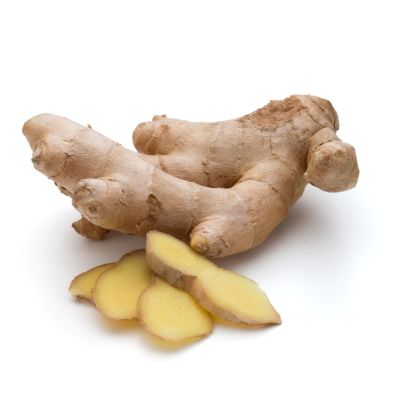
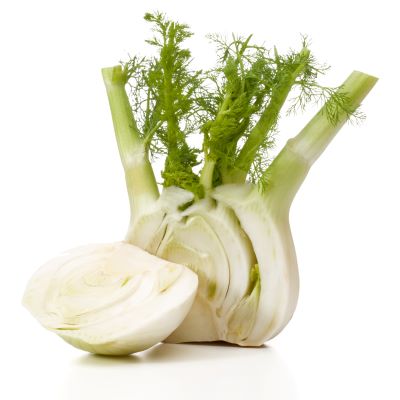
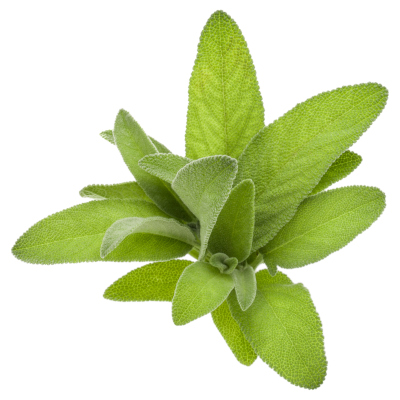
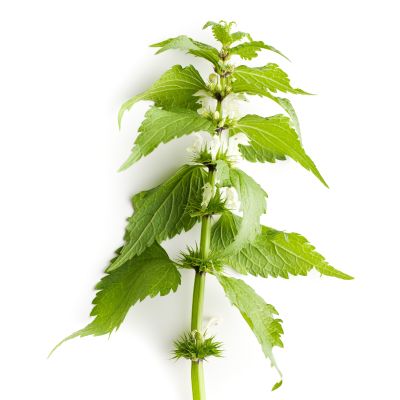
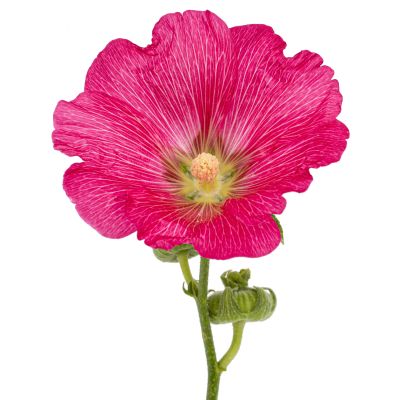
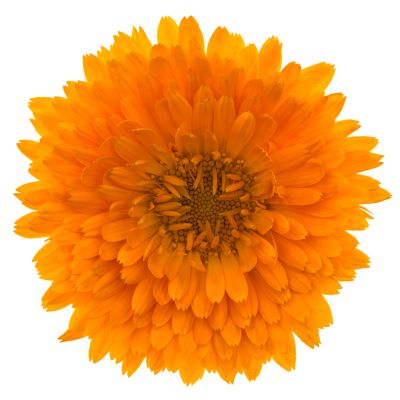
Apple Bits (Apples, Citric Acid), Ginger chunks, Liquorice root, Fennel, 10 % Sage leaves, Rose Hip skin, Nettle leaves, 2 % Manuka honey, Mallow flowers, Pot marigold, Natural aromaBrew & Taste
Sage with Manuka Honey tea is balanced play of contrasts – the pleasant sweetness of manuka honey is complemented by the pungent warmth of ginger and a sweet undertone of licorice. Sage adds a slightly astringent, spiced aroma which grounds the blend with a final layer of depth. Apple bits and rosehip husks bring a refreshing fruity accent. The resulting tea is pure, harmonious and rich at the same time.
Origins
If you’re looking for a tea that combines the herbal harmony with subtle honey sweetness, then this is it. This natural herbal blend has been created with only the finest ingredients – and three of them deserve a closer attention; sage, manuka honey and licorice. So, let’s go one by one. Sage (Salvia) is a plant that catches your attention at first sight. It has velvety, grey-green leaves with a subtle scent of resin and earth. The herb is native to the Mediterranean region, where it thrives on sunny hillsides and in drier soil. Even in ancient Rome, sage was already considered sacred.
Sage contains:
- essential oils (esp. thujone, cineol),
- tannins,
- flavonoids,
- organic acids (e.g. caffeic acid),
- bitter acids.
Have you heard of manuka honey? It’ made from the flowers of the manuka plant (Leptospermum scoparium), which grows wild in the mountainous and inaccessible areas of New Zealand. Its unique flavor can be described as earthy, caramel-spicy and subtly floral. It adds not only a layer of natural sweetness, but also an exceptional character to the tea. Manuka honey has literally become a phenomenon thanks to its extraordinary bioactive content. Try it out, you definitely won’t regret it!
Manuka honey is full off:
- methylglyoxal (MGO),
- flavonoids,
- minerals (potassium, calcium, magnesium),
- enzymes (e.g., glucose oxidase).
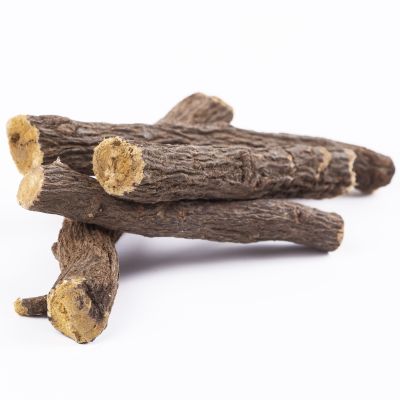
Lastly, let's take a look at the licorice root, Latin Glycyrrhiza glabra. It has a light brown color and a distinctly sweet taste that can be up to 10 times sweeter than literal sugar. Licorice grows in some areas of southern Europe, the Middle East and Asia. In this particular tea, it softens the sharpness of ginger and sage, balancing them out and making the tea pleasantly milder as a result.
Licorice is rich in:
- glycyrrhizin,
- flavonoids,
- saponins,
- isoflavones,
- essential oils.



Tea packaging preview
We pack our teas in a strong, zip-lock aluminum packet which allows you to easily re-seal its contents. This container protects the quality of the tea against humidity, light or foreign odors, all of which could noticeably affect the quality of the brew.
Preparation
 100 °C
|
 5 minutes
|
 1 teaspoon for 150-200 ml
|
Instructions for preparation
1. Pour 150-200ml of boiled water (100°C) per 1 teaspoon of tea.
2. When brewing in a teapot add 1 extra teaspoon.
3. Covered, let steep for 5 minutes, then remove the strainer.


Are you looking for inspiration? Other customers have bought this:
Inner Goddess – Herbal Infusion
Tulsi-Lemongrass – Herbal Tea