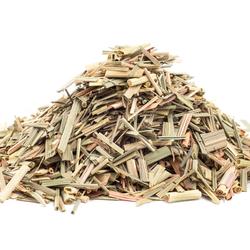
Safflower Petals (Carthamus Tinctorus) – Herb


Warm and bright, just like the sun. Safflower petals will warm you up just by looking at them. The yellow dye they contain adds a beautiful hue to your tea. Besides looking incredibly pretty, it will give you a good dose of nutrients that promote muscle growth and benefit hair and complexion.
Shipping methods
| Nizozemská pošta HD - zásilkovna | Delivered by 22. 10. | 1,00 € |
|---|---|---|
 DHL DHL |
Delivered by 22. 10. | 4,90 € |


Ingredients
100 % SafflowerBrew & Taste
Safflower petal tea has a yellow-orange color with an almost imperceptible aroma. Its taste is also rather subtle, mild and sweet. The petals can be used to make tea or a decoction for external use or added to food or beverages. Thanks to their dye content, they give them a beautiful yellow shade.
Origins
This multi-purpose plant is famed for its abilities as a dye. The safflower (Carthamus tinctorius), also called poor-man's saffron, was used since the ancient Egypt. It was and still is well-known not only for the content of safflower yellow and carthamine.
In addition to these dyes, it is also grown as a forage and oilseed crop and is also an important honey-producing herb. What does safflower look like? It resembles a thistle, belongs to the Astraceae family and is an annual plant with bright yellow flowers. Native to Asia, it requires dry climate and warm temperatures.
It grows to about 1m, but has deep roots, so it draws all its nutrients and moisture from the ground. Thanks to the dyes mentioned above, safflower flowers have been widely used to dye fabrics, but their pigment is also used in food. It can be used to colour rice, soups and even baked goods.
Carthamine is also used in the production of high-quality cosmetics (lipsticks, soaps). Of course, safflower is not only important because of the dye. The health benefits of this herb include promoting the growth of active muscle mass, and the decoction also benefits the skin and hair.
Herb packaging preview
We pack our herbs in a strong, zip-lock aluminum packet which allows you to easily re-seal its contents. Thanks to the hermetic seal, the herbs are protected against humidity, light and foreign odors, all of which could noticeably affect the quality of the brew and the herb itself.
Preparation
 100 °C
|
 10 minutes
|
 1 teaspoon for 150-200 ml
|
Instructions for preparation
Pour 150-200ml of boiled water (100°C) per 1-2 teaspoons of tea.
When brewing in a teapot add 1-2 extra teaspoons.
Covered, let steep for 10 minutes, then remove the strainer.


Are you looking for inspiration? Other customers have bought this:
Lingonberry-Sea Buckthorn – Fruit Infusion
Stomach Relief – Herbal Tea