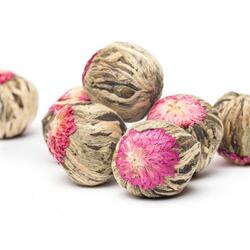
Ray Love – Blooming Tea


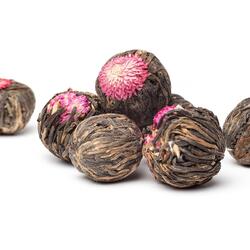
How would you like a teapot illuminated with a ray of love? The Ray Love blooming tea will make any heart melt. The tea leaves, bound in the traditional method, are brightened this time with pot marigold flowers. After pouring hot water over the tea, you or your loved one can enjoy the green-orange bud slowly unfolding. There aren't many opportunities to focus on just one thing, so enjoy this tea with all your senses.
Shipping methods
| Nizozemská pošta HD - zásilkovna | Delivered by 22. 10. | 1,00 € |
|---|---|---|
 DHL DHL |
Delivered by 22. 10. | 4,90 € |


Ingredients
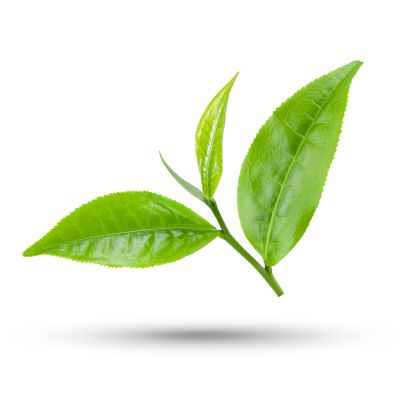
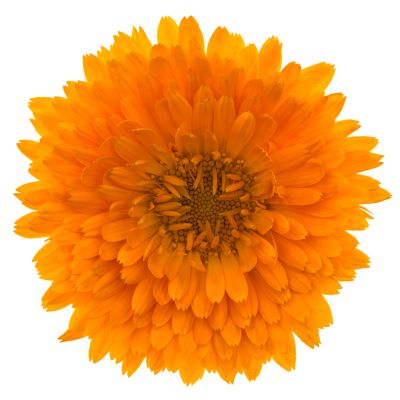
Green tea, Pot marigold flowerBrew & Taste
Ray Love blooming tea tastes mellow, slightly astringent. Its base is exceptional Chinese green tea, which is matched by the flavor, aroma and color of the infusion. It is light yellow to greenish yellow in color. The pot marigold flowers do not affect the flavor.
Origins
It is said that the first blooming teas were made primarily for entertainment purposes. They were intended to amuse the emperors of the Song dynasty, which ruled China from 960-1279. Though it fulfilled this task, the tea it produced was rarely ever consumed. Blooming or flowering tea has survived for centuries and now we can enjoy it even in Europe despite being brought to us only in the mid-20th century.
Not much is known about the history of blooming tea. Same goes for its production, which is shrouded in mystery. What is known, however, is that they have been around for several hundred years, and only the most skilled and talented Chinese workers can tie them.
Chinese tea trees are harvested by hand, carefully separating the top tips from the whole leaves. The harvest is taken to processing farms where the tea is gently shaken and then dried at 110˚C. Artists – there is just no other way of addressing people who make blooming teas – tie the pre-dried leaves and tips with a string with extreme care. Just like the tea, they also weigh the flowers of various herbs down to the gram. These are then shaped into the bundles with wooden needles so that they can beautifully unfurl when covered with water. Finally, they take a piece of cloth in which they stuff each bundle, fix it and give it its shape. The balls and beads thus prepared go into a drying oven heated to 90˚C.
Most of the production of blooming teas comes from the Chinese province of Yunnan. Green tea leaves there are accompanied by lily, hibiscus, chrysanthemum, jasmine, osmanthus or the pot marigold flowers. According to tradition, blooming tea is a symbol of long life, which is why it is a popular gift among family and friends.
In a 100g package of blooming tea, there are usually 12-15 balls, depending on their size. The tea takes a few seconds to minutes to fully bloom.
Benefits of ingredients:

Tea packaging preview
We pack our teas in a strong, zip-lock aluminum packet which allows you to easily re-seal its contents. This container protects the quality of the tea against humidity, light or foreign odors, all of which could noticeably affect the quality of the brew.
Preparation
 80 °C
80 °C
|
 3-5 minutes
|
Instructions for preparation
Pour 300ml of boiled water (80°C) per 1 sphere of flowering tea.
Let steep for 3-5 minutes.
Once the tea has bloomed, it can be brewed again 2-3 times.


Are you looking for inspiration? Other customers have bought this:
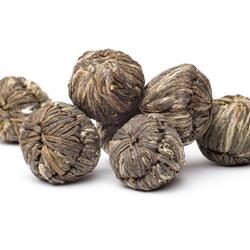
Flowering Almonds – Blooming Tea
Black Pearl – Blooming Tea