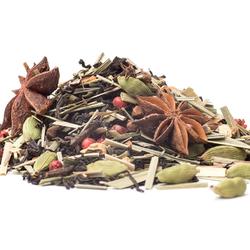
China Yunnan Feng Qing – Black Tea


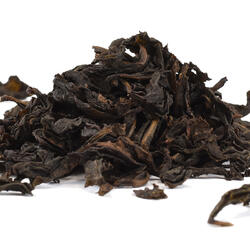
Elegance instead of pageantry. Velvet instead of bite. China Yunnan Feng Qing was cultivated in the hills, surrounded by fog and warmed by gentle sunrays. Thanks to the careful manual processing, it’s smooth, full, and pleasantly sweet. You’ll appreciate it especially when you’re not feeling like making compromises. At least not in your teapot.
Shipping methods
| Nizozemská pošta HD - zásilkovna | Delivered by 15. 10. | 1,00 € |
|---|---|---|
 DHL DHL |
Delivered by 15. 10. | 4,90 € |


Ingredients
100 % China Yunnan Feng Qing black teaBrew & Taste
After brewing, Yunnan Feng Qing tea leaves infuse into a bright, dark amber tea with a rich honey aroma full of subtle floral notes. The taste is full, mild, and velvety smooth without any astringency. The sweetness appears naturally and lasts until you finish the sip. It’s reminiscent of high-quality forest honey combined with flower nectar and subtle, ripe fruitiness. If you let it steep for longer, the flavor becomes more layered while retaining its class, so it’s appreciated by experienced tea lovers as well as those yet to delve deeper into black teas from Yunnan.
Origins
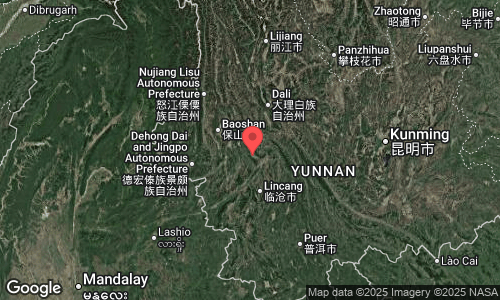
The region of Feng Qing in the Chinese province of Yunnan is one of the most respected tea-cultivation areas in the world. Yunnan is often referred to as the cradle of tea – it was here, in the mountain valleys and on the mist-shrouded slopes, that wild tea trees grew long before tea became a common part of our everyday life. In the Feng Qing area, you’ll find a mosaic of smaller plantations and older tea gardens where tea trees are grown at an altitude of around 900 meters above sea level. The higher altitude, clean mountain air, and mineral-rich soil give the leaves their characteristic fullness and delicate, naturally sweet taste.
The climate can be described as mildly subtropical, with plenty of moisture and frequent morning mists. These slow down the growth of the tea leaves, giving them more time to develop the aromatic compounds responsible for the honey, floral, and delicately fruity notes. At the same time, the plantations are surrounded by forests, rivers, and nature reserves, which contribute to the purity of the water and air. This is essential for premium tea. When you take in the aroma of the dry tea leaves or enjoy the scent of the freshly brewed tea, you can sense a bit of this ""humid"" mountain landscape, where sun, fog, and rain showers alternate.
Feng Qing is not only a tea-growing region, but also a cultural one. Tea has been grown and processed here for generations. Knowledge is passed down from father to son for generations, and local farmers often combine old methods with modern technology. Harvesting is mainly done by hand, with an emphasis on selecting the highest quality buds and young leaves. This is followed by gentle withering, rolling, oxidation, and final drying under close monitoring to make sure the tea has maximum natural sweetness and floral honey aroma.
Benefits of ingredients:
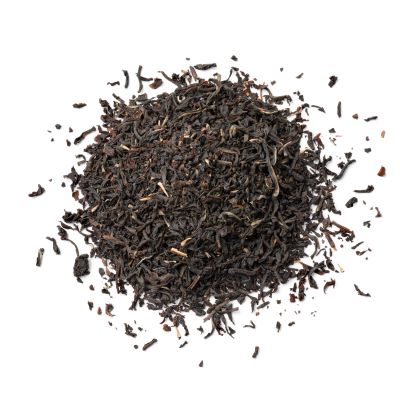

Tea packaging preview
We pack our teas in a strong, zip-lock aluminum packet which allows you to easily re-seal its contents. This container protects the quality of the tea against humidity, light or foreign odors, all of which could noticeably affect the quality of the brew.
Preparation
 100 °C
|
 3-5 minutes
|
 1 teaspoon for 150-200 ml
|
Instructions for preparation
- Pour 150-200ml of boiling water (100°C) per 1 teaspoon of tea.
- When brewing in a teapot add 1 extra teaspoon.
- Covered, let steep for 3-5 minutes, then remove the strainer.


Are you looking for inspiration? Other customers have bought this:
Lapsang Souchong – Black Tea
China Tie Luo Han Iron Arhat – Oolong