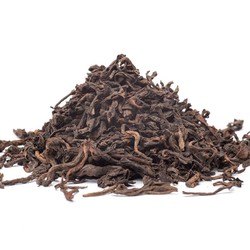
Pu Erh Mini Tuo Cha


Traditional Chinese Pu Erh is a term. The pressed, highly fermented tea is gaining fans both in its country of origin and everywhere else in the world. Its signature earthy flavor, sometimes reminiscent of the scent of leaves or moss, makes it one of the most addictive teas. However, in the case of Pu Erh Mini Tuo Cha, expect the earthiness to be mild, the bitterness light and the overall taste even sweet at the end. Brew repeatedly to achieve interesting flavor nuances.
Shipping methods
| Nizozemská pošta HD - zásilkovna | Delivered by 15. 10. | 1,00 € |
|---|---|---|
 DHL DHL |
Delivered by 15. 10. | 4,90 € |


Ingredients
100 % Red tea Pu Erh Mini Tou ChaBrew & Taste
Pu Erh Mini Tuo Cha gives a very dark, brownish-red color. When first brewed, it may seem more aromatic, as if carrying the taste of wet leaves in the forest, slightly bitter, perhaps even smoky. In some distinctive varieties, this infusion is traditionally sacrificed to the gods by pouring it over the statues of tea spirits. Each additional infusion in the tea suppresses the coarseness and earthiness and opens up a space of sweetness and unique delicacy.
Origins

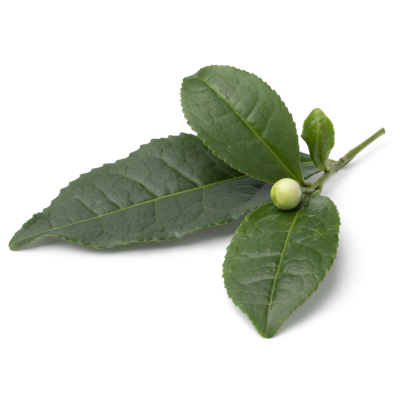
It's worth noting that classic Pu Erhs are made from the leaves of very old Chinese tea trees (Camellia sinensis). This is also the case with Pu Erh Mini Tuo Cha from the Wu Liang Shan mountains located in the southwest of China's Yunnan province. The tea gardens there have long been left untended, so the tea bushes are wild and indistinguishable from other wild plants. The shrubs that make up this Pu Erh are said to be over 200 years old.
The garden's location at an altitude of 2,400m places the teas produced there among the highest grown. The tea trees there grow on steep slopes and ridges, making harvesting a very laborious and always manual affair. Before the spring tea season begins, workers must head up into the hills to clear the plantation of weeds and provide access to the bushes. It is also clear that these tea trees grow in completely natural conditions, without contact with fertilizers or chemical treatment. The character of the tea is shaped by the considerable temperature differences between day and night, which can reach 30°C. During the day, the tea leaves absorb plenty of sunlight and heat, while at night their growth is slowed by the cold. As a result, the tea leaves develop a distinctive flavor as they literally absorb their environment inside the leaf.
The tea trees are harvested three times a year in Yunnan, and the leaves are used for a different purpose each time – the tea from the second and third harvests is usually pressed into bars or other shapes. The hand-plucked leaves need to be wilted and heated in large pans where the enzymatic processes are interrupted. This is followed by hand-rolling and drying the tea in the sun. Tea produced in this way is referred to as Mao Qi. It is only by steaming, pressing and long drying at a low temperature that it slowly becomes Pu Erh. The complex process results in teas that must be aged to perfection. Sometimes several decades.
Benefits of ingredients:

Tea packaging preview
We pack our teas in a strong, zip-lock aluminum packet which allows you to easily re-seal its contents. This container protects the quality of the tea against humidity, light or foreign odors, all of which could noticeably affect the quality of the brew.
Preparation
 100 °C
|
 3-5 minutes
|
 half of a nest for 150-200 ml
|
Instructions for preparation
Simmer Pu Erh Mini Tuo Cha in boiling water for 1 minute.
Steep for a few seconds, discard the water and pour over with fresh, boiled water.
Steep for 3-5 minutes, then strain.
You can brew Pu Erh Mini Tuo Cha up to 5 times.


Are you looking for inspiration? Other customers have bought this:
Tie Guan Yin Iron Goddess of Mercy – Oolong Tea
Pu Erh STD