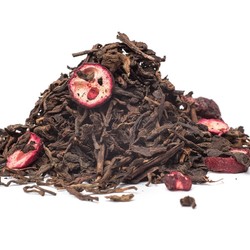
Pu Erh Green


You should definitely give green Pu Erh a try. You'll love its full-bodied, pleasantly fruity and signature earthy taste. Unlike dark Pu Erhs, it's mild and much sweeter. We've brought it from the famous province of Yunnan, which has been supplying the world with top quality teas for centuries and is rightfully nicknamed "the homeland of tea trees".
Shipping methods
| Nizozemská pošta HD - zásilkovna | Delivered by 15. 10. | 1,00 € |
|---|---|---|
 DHL DHL |
Delivered by 15. 10. | 4,90 € |


Ingredients
100 % Green Pu ErhBrew & Taste
Pu Erh Green has a brownish-red infusion, the aroma is reminiscent of an autumn forest and the flavors can be very. Like its dark counterpart, Pu Erh Green more or less earthy, and bitterness and astringency may also be present. In this case, however, all of these flavor attributes are subtle, light and harmonious. Even the first infusion is very balanced, delicious, with a trace of sweet fruit.
Origins

Because this Pu Erh is green (Sheng Cha), it has a mild and fruity flavor with suppressed earthiness and bitterness, unlike dark Pu Erhs (Shu Cha).
Yunnan Province, where we sourced Pu Erh Green, is well known to tea lovers. It is an area of traditional tea gardens, situated in the southern mountainous part of China. Tea has been cultivated by local farmers for more than 2,000 years and the oldest Chinese tea plants (Camellia sinesis) are 800, 1,000 and 1,700 years old. They are known as the 3 ancient tea kings.
Pu Erh is said to have been produced in Yunnan for at least 1,800 years, but only reached the imperial court in the early 18th century. It is said to have cured the sick and dying soldiers led by Zhuge Liang (Kongming), who suffered from a mysterious illness. After that, the rumors of "red tea" spread beyond Yunnan. The Emperor first encountered it in 1725, when the merchant Che Shun Ly came to introduce it to him. He was reportedly impressed by its taste. When he asked for the name of the tea, the merchant did not know it, so he only told the Emperor the area from which he had brought it – Pu Erh city. Since then, teas made from Yunnan shrubs whose leaves have been sun-dried and fermented are called Pu Erhs.
The tea leaves used to make Pu Erh Green are manually harvested by local workers. They let them wilt and then heat them in large pans. This step is called "killing the green" because during this procedure, the enzymatic processes stop and the tea loses its natural green color. The next step is hand-rolling, after which the tea is dried in direct sunlight. This semi-finished product, called Mao Cha, or Sheng Cha, is what you have in front of you. It is one of the oldest types of tea, and it has an excellent effect on the general condition of the drinker. Green differs from classic Pu Erh in that it does not undergo additional fermentation. It is said that green Pu Erh has a longer shelf-life, during which it matures.
The great news is that green Pu Erh contains very little caffeine, so you can drink it virtually all day long. On the other hand, it is rich in minerals and vitamin E, benefits digestion, promotes good mood, and helps the blood vessels and heart.
Benefits of ingredients:
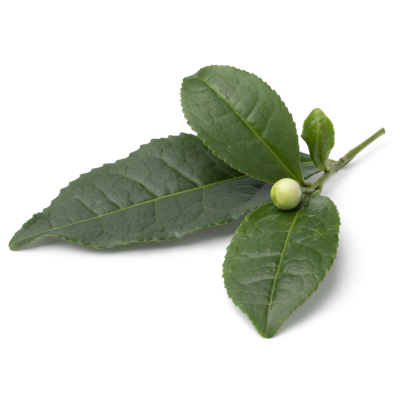

Tea packaging preview
We pack our teas in a strong, zip-lock aluminum packet which allows you to easily re-seal its contents. This container protects the quality of the tea against humidity, light or foreign odors, all of which could noticeably affect the quality of the brew.
Preparation
 80 °C
80 °C
|
 3 minutes
|
 1 teaspoon for 150-200 ml
|
Instructions for preparation
Pour 150-200ml of boiled water (80°C) per 1 teaspoon of tea.
When brewing in a teapot add 1 extra teaspoon.
Covered, let steep for 3-5 minutes, then remove the strainer.


Are you looking for inspiration? Other customers have bought this:
Tie Guan Yin Iron Goddess of Mercy – Oolong Tea
Pu Erh STD