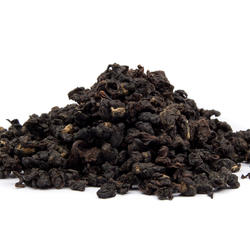
Tie Guan Yin Iron Goddess of Mercy – Oolong Tea


The top varieties of this oolong have their deserved place among the most expensive teas. The Iron Goddess from Fujian, China, is sought-after by experienced tea drinkers for its exceptional flavor and aromatic qualities. We recommend preparing this gem using the Gong Fu Cha method. You'll experience its best qualities – layered, long aftertaste and maximum nobility. It's just waiting for you to try.
Shipping methods
| Nizozemská pošta HD - zásilkovna | Delivered by 22. 10. | 1,00 € |
|---|---|---|
 DHL DHL |
Delivered by 22. 10. | 4,90 € |


Ingredients
100 % OolongBrew & Taste
Oolong produces a yellow-green infusion, shifting into orange depending on the harvest location. Because it is only partially fermented, it contains a large amount of essential oils, which give it a distinctive earthy aroma with a hint of nuts. The aroma is intense and sweet.
Origins

Chinese partially fermented teas, known as oolongs, are famous around the world. China has been producing them for more than 400 years, so no wonder they've perfected their production. There are reportedly 3,000 varieties of Chinese oolongs. They are distinguished by the degree of fermentation, which has a major influence on the resulting taste and aroma, but also by the variety of tea tree from which they are made.
Tie Guan Yin or Iron Goddess of Mercy (Anxi Tie Guan Yin, Kuan-jin, Tiet Kwun Yum) is one of the most widely used tea varieties. The oolong made from it is only 20-40% fermented.
Simply put, the production steps are: harvesting and letting the leaves of the tea plants wilt briefly in the sun. Then gently shake them by hand in their sheaths. This breaks down the cellular structures and starts a controlled fermentation. This is repeated several times, always with a 1-2 hour break. The farmer judges by the smell whether the fermentation is complete and lets the tea heat up in the boiler for a few minutes. After a quick cool-down, Tie Guan Yin is rolled using fine vegetable oils and waxes so that the leaves don't stick together and retain their freshness longer, and finally dried.
How did the Iron Goddess of Mercy get its name? The answer lies in two different Chinese legends. The first features poor farmer Wei wondering how to save a dilapidated temple whose patron saint was the iron statue of Kuan-yin. All he could do was to clean the temple twice a month and burn incense. One night, Kuan-jin appeared to him and showed him that a treasure cave lay directly behind the temple. Wei, of course, shared the wealth with his neighbors and replanted the tea bush he found growing in the cave in his garden. The tea he harvested from it was among the best in the area. He repaired the temple and his tea garden became famous throughout Fujian.
The story of Wang is shorter. The scholar is said to have accidentally found a tea tree under Guanyin Rock, replanted it in his garden, and when the Qianlong Emperor passed by, he brewed a delicious drink from it. The Emperor was so impressed he decided on the name Guanyin tea in honor of the place where the tea tree was found.
Benefits of ingredients:


Tea packaging preview
We pack our teas in a strong, zip-lock aluminum packet which allows you to easily re-seal its contents. This container protects the quality of the tea against humidity, light or foreign odors, all of which could noticeably affect the quality of the brew.
Preparation
 80-90 °C
|
 5 minutes
|
 1 teaspoon for 150-200 ml
|
Instructions for preparation
- Pour 150-200 ml of boiled water (80-90°C) per 1 teaspoon of tea.
- When brewing in a teapot, add 1 extra teaspoon.
- Covered, steep for 1-3 minutes, then remove the strainer.


Are you looking for inspiration? Other customers have bought this:
Pu Erh STD
Pi Lo Chun – Green Tea