


Pu Erh Ban Zhang Mountain – 357g

This limited edition Pu Erh is definitely worth your attention. Ban Zhang Mountain tea was made in 2011 from old, wild tea trees. Harvesting them is not easy, you have to go into the jungle and pick the best leaves very carefully. A closely guarded production process turns them into large flat cakes that are rightfully among the best that Pu Erh can offer.
Shipping methods
| Nizozemská pošta HD - zásilkovna | 1,00 € | |
|---|---|---|
 DHL DHL |
4,90 € |


Ingredients
100 % Red tea Pu ErhBrew & Taste
The taste of this Pu Erh depends on the method of preparation and the number of infusions. In general, though, you can expect a subtle earthiness, freshness and a long sweet aftertaste. The first infusion is very dark in color, almost opaque.
Origins

Ban Zhang Mountain has a history of over 1,000 years in China. Its harvesting and production are based on traditional foundations. And these remain unchanged today.
It is named after Lao Ban Zhang village, whose inhabitants gave this tea to the world. It is located in the southwest of the famous Yunnan province, in the Xishuang Banna area. The high mountains, with an average annual temperature of 18.7⁰C, are shrouded in thick fog for almost half of the year. Tea trees grow near the border of Maynmar, covering an area of approximately 310 hectares. According to official records, the bushes are more than 100, 200 and even 800 years old.
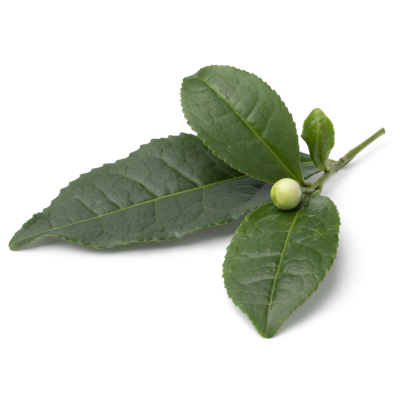
The earliest record of tea production in Lao Ban Zhang dates back to 1476. The lives of generations of inhabitants have been closely linked to tea. Chinese tea trees (Camellia sinensis) have been planted and harvested in the mountains since ancient times. Today, 117 families live in the village. Most have been supplying their product to the Chen Sheng Tea Factory since 2007. Nevertheless, there are still 28 families who produce tea pressed into bricks or cakes for small tea traders or collectors who visit the village frequently.
We must also mention the natural conditions in which the tea grows. Because the bushes are (and have been) planted in their natural habitat, they live in symbiosis with the other plants of the local deep forests. They have been left to their own devices and are therefore not fertilized or chemically treated. A very efficient ecological system protects them from pests and gives their leaves an unmistakable taste and aroma.
Mao Zedong, supposedly a great tea connoisseur, was able to see the quality of Ban Zhang Mountain tea. In 1950, he was presented with a special batch of this tea.
As we write in the introduction, the exact process of making Pu Erh is hardly known to anyone other than a member of the family that produces it. Nevertheless, it can be said that for Ban Zhang Mountain, the buds and the 3-4 youngest leaves are collected. The workers heat them briefly in pans to stop oxidation. Then they roll and shape them. The dry green leaves then need to be moistened, covered and left to ferment. This can take 50 days or more. The tea is then left to dry, sorted and pressed.
It is typical for Pu Erhs to continue to mature after pressing. This rounds out their astringency and develops a wide range of aromas and flavors. Aged Pu Erhs are appropriately expensive.
Bang Zhang Mountain was pressed in 2011 and stored under very strict local conditions. The humidity in Yunnan, China, is not comparable to that of Europe. The combination of many factors results in a tea that is rare but extremely tasty, smooth and suitable for all-day enjoyment.
The weight cakes can vary in weight up to 10g.
Benefits of ingredients:

Tea packaging preview
We pack our teas in a strong, zip-lock aluminum packet which allows you to easily re-seal its contents. This container protects the quality of the tea against humidity, light or foreign odors, all of which could noticeably affect the quality of the brew.
Preparation
 100 °C
|
 3-5 minutes
|
 1 teaspoon for 150-200 ml
|
Instructions for preparation
Cut approximately 1 teaspoon of Pu Erh.
Cover with 150-200ml of water (100°C).
When brewing in a teapot add 1 extra teaspoon.
Covered, let steep for 3-5 minutes, then remove the strainer.


