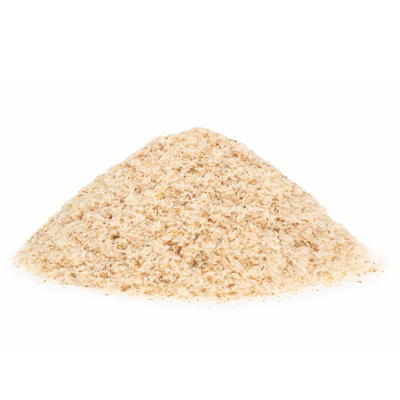
Psyllium Flakes


Experts say we meet only half the fiber requirements we need each day. But we all know that a balanced diet is essential for physical and mental well-being. So? Let's fill in what's missing! Like a teaspoon of Psyllium a day. Its easily digested fiber content will take care of good digestion and support your efforts to shed a few extra kilos. Just sprinkle it to you yogurt, porridge, or müsli!
Shipping methods
| Nizozemská pošta HD - zásilkovna | Delivered by 22. 10. | 1,00 € |
|---|---|---|
 DHL DHL |
Delivered by 22. 10. | 4,90 € |


Ingredients
100 % PsylliumBrew & Taste
Psyllium is tasteless and odorless, light brown to white in color. Therefore, it can be easily added to almost any liquid or food. Make sure to up your drinking regime when taking psyllium.
Origins
Psyllium is are the seeds of Plantago ovata. More specifically, the coat of the seeds cleaned of. In Hindi they are called isabgol, Sanskrit calls them ashvagola, ashwakarna or ishadgola. Ashwa means horse, karna means ear. The name probably describes the appearance of the seeds, which have an elongated shape resembling a horse's ear. Traditionally, Psyllium has been used as a medicine in the Ayurveda. Almost every Indian household includes it in the diet as an effective remedy for relief from common digestive problems.
The annual herb cultivated as a medicine originally grew in India and Pakistan, but is now widespread in North Africa, southern Europe and the Arabian Peninsula. It usually grows up to 15cm, has a very short stem and fine, lance-shaped leaves. It flowers in spikes, and the fruits are 4-5mm long, each containing 2 yellow-brown, ovoid seeds with a longitudinal groove.
The largest producer of Psyllium is India, where farmers grow it on over 50,000 hectares. There, the processing of psyllium seeds involves several steps. First, of course, the seeds have to be mechanically cleaned in pre-cleaning and cleaning chambers. The seed is crushed with emery mills and the husks are separated using a suction system. The hulls are then separated from the rest of the seed by means of a weak mechanical pressure, then sieving and cleaning. Psyllium can be marketed and consumed as whole husks or powder. The largest buyers of Indian Psyllium are the United States, England, Norway, Italy, France, Korea.
Psyllium contains up to 30% plant mucilage, which swells on contact with liquid. It can increase its volume up to 40 times. Plus, it's low-calorie. You should take it as a dietary supplement in cases of fiber deficiency, digestive disorders, or as a prevention.
The daily dose should not exceed 2 teaspoons. It is most effective to take 0.5-2 teaspoons daily on an empty stomach, about 30 minutes before breakfast. Psyllium can be stirred into yogurt, smoothies, soups, or sauces. Do not wait for it to swell, consume immediately. When taking psyllium, you should increase your fluid intake to at least 2l per day.
Benefits of ingredients:

Herb packaging preview
We pack our herbs in a strong, zip-lock aluminum packet which allows you to easily re-seal its contents. Thanks to the hermetic seal, the herbs are protected against humidity, light and foreign odors, all of which could noticeably affect the quality of the brew and the herb itself.
Instructions for preparation
Take 0.5-2 teaspoons a day on an empty stomach, 30 minutes before breakfast.
Alternatively, stir it into water, yogurt, smoothies, soups, or sauces. Consume immediately.
When taking psyllium, ensure you drink at least 2l a day.


Are you looking for inspiration? Other customers have bought this:
China Gunpowder – Green Tea
Cranberry-Cactus – Green Tea