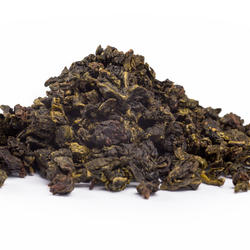
Pineapple & Vanilla – Milk Oolong


Serene and sensuous tea that will charm you from the very first sip – that’s Milk Oolong with Pineapple & Vanilla. It combines the silky-smooth milk oolong with the tropical sweetness of candied pineapple and warm aroma of vanilla. The result is a harmonious blend with mild, sweet taste. A pleasure for the senses that will help you relax.
Shipping methods
| Nizozemská pošta HD - zásilkovna | Delivered by 22. 10. | 1,00 € |
|---|---|---|
 DHL DHL |
Delivered by 22. 10. | 4,90 € |


Ingredients
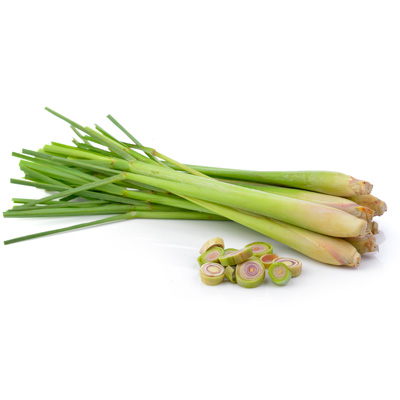
Milk Oolong, Pear chunks, Lemongrass, 8 % Candied pineapple (pineapple, sugar), Meadowsweet, Sugar stars, Natural aromaBrew & Taste
The flavor of this Milk Oolong is exceptionally soft yet layered. The first sip offers a satin, milky smoothness that’s so signature for high-quality oolongs. It’s reminiscent of steamed milk or creamy caramel. This unfolds into a sweet, juicy trace of pineapple that’s finished off with a warm, elegant vanilla tail.
Origins
This delicate, milky sweet tea combines the best of traditional Chinese tea culture with exotic fruits and precious vanilla. Let's take a look at each of the ingredients separately.
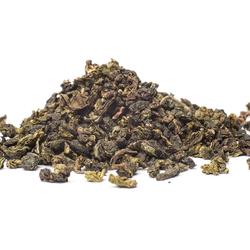
Milk Oolong is a semi-oxidized tea native to China, most commonly produced in the Fujian region. Since the tea leaves are left to ferment only partially, we can’t talk about green or black tea, so they’re referred to as oolongs. They’ve been one of China's tea treasures for hundreds of years, but the so-called Milk Oolong is relatively new – it’s created either by steaming the leaves in milk mist or by adding natural flavoring. The curled, pearl-like leaves in shades of olive green to deep bronze are great for making single teas but also work well as the base for tea blends.
Oolong is rich in:
- Theanine,
- caffeine,
- polyphenols (antioxidants),
- magnesium, manganes.
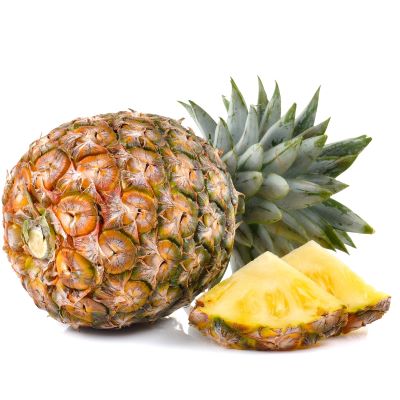
The juicy, fruity line in this tea is all thanks to pineapple – the fruit of the pineapple tree (Ananas), which is usually grown in tropical areas such as the Philippines, Costa Rica or Thailand. Pineapples were brought to Europe in the 15th century and soon became a symbol of exotic luxury.
Pineapples contain:
- bromelain,
- vitamin C,
- natural sugars,
- fiber.
And let's briefly mention vanilla, one of the most popular aromatic ingredients in the world. It is often used in tea blends to impart a delicate, sweet aroma and a soft aftertaste. Vanilla grows mainly in Madagascar, Mexico and Indonesia. It was used by the Aztecs and came to Europe in the 16th century and quickly gained immense popularity.
Vanilla is valued for its content of:
- vanillin,
- tannins,
- essential oils,
- antioxidants.
Benefits of ingredients:


Tea packaging preview
We pack our teas in a strong, zip-lock aluminum packet which allows you to easily re-seal its contents. This container protects the quality of the tea against humidity, light or foreign odors, all of which could noticeably affect the quality of the brew.
Preparation
 80 °C
80 °C
|
 3-5 minutes
|
 1 teaspoon for 150-200 ml
|
Instructions for preparation
1. Pour 150-200ml of boiling water (80°C) per 1 teaspoon of tea.
2. When brewing in a teapot add 1 extra teaspoon.
3. Covered, let steep for 3-5 minutes, then remove the strainer.


| Energy value: | 16 kJ / 4 kcal |
| Fats: | <0,5 g |
| of which saturated: | <0,1 g |
| Carbohydrates: | 0,9 g |
| of which sugars: | 0,9 g |
| Proteins: | <0,5 g |
| Salt: | <0,01 g |
Are you looking for inspiration? Other customers have bought this:
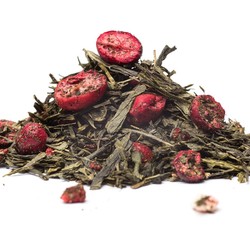
Lingonberry-Strawberry Sencha – Green Tea
Milk Oolong