Pineapple-Peach – Fruit Infusion


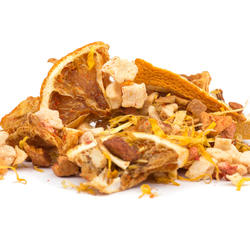
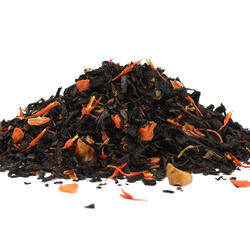
Hot? Iced? A teapot? A cup? Alone? With neighbors? There's a hundred ways to drink this fruit tea, but Pineapple-Peach tastes great in every season and every situation. The refreshing fruity notes will delight any fan of high-quality fruit teas. Large chunks of peaches, pineapples, papayas and apples have been mixed to bring you moments of peace and relaxation.
Shipping methods
| Nizozemská pošta HD - zásilkovna | Delivered by 22. 10. | 1,00 € |
|---|---|---|
 DHL DHL |
Delivered by 22. 10. | 4,90 € |


Ingredients
Apple pieces (apple, tartaric acid), 12 % Pineapple (pineapple, sugar, citric acid), Candied papaya (papaya, sugar), Carrot flakes, 5 % Peach bits (peach, rice flour, preservative: sulfur dioxide), Mango granules (glucose syrup, mango puree, thickener: sodium alginate), Passion fruit granules (apple puree extract, passion fruit extract), AromaBrew & Taste
Pineapple-Peach loose fruit tea is yellow in color. Immediately after covering with hot water, its fragrance spreads through the room with a wonderfully fruity aroma. The taste of the tea does not disappoint either, as the name suggests, its pineapple-peachy. And so sweet, you can leave the honey or sugar in the cupboard.
Origins
We've blended this tea with the finest ingredients, sourced from a certified European supplier. We have tried and tested their ratios with the goal of making a tea that is fragrant, tasty and healthy.
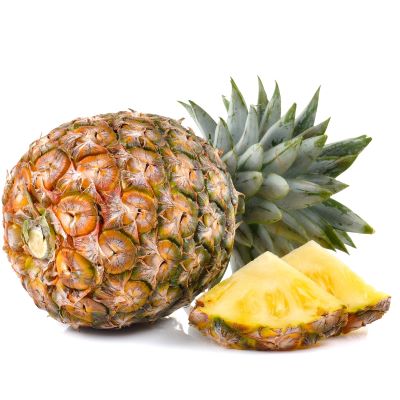
Pineapple is one of the main ingredients in this tea, so let's take a brief look at it. The tropical fruit comes from the pineapple tree, a plant about 1.5m tall with long, sharp-edged leaves. Pineapple trees are native to Brazil and Paraguay, but today they also grow in Central America, South Africa, Australia and India. Pineapple trees are usually grown on plantations. The fruit contains vitamins A, B1, B2 and C as well as calcium, phosphorus, iron and potassium. But pineapples are most valued for the enzyme bromelin.
Peaches originally grew in China. From there they spread to Persia (so they're sometimes called Persian apples), then to England in the 10th century and to America in the 17th century. Today, Italy and Spain are the largest producers of peaches. The spherical fruit with fuzzy skin is rich in calcium, potassium, magnesium, zinc, sodium and iron, while vitamins include provitamin A, vitamin B3 and vitamin C.
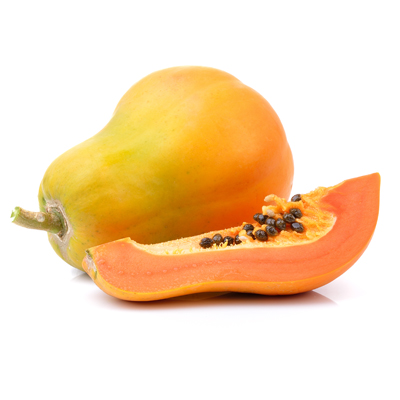
The papaya is probably native to Central America. This mighty herb with large edible fruits grows up to 10m and sheds latex when carved. Its spherical or oblong berries, which the herb bears in the third year, are popular because of the enzyme papain. Papaya also contains sodium, magnesium, potassium, calcium, phosphorus and vitamin C.
Benefits of ingredients:


Tea packaging preview
We pack our teas in a strong, zip-lock aluminum packet which allows you to easily re-seal its contents. This container protects the quality of the tea against humidity, light or foreign odors, all of which could noticeably affect the quality of the brew.
Preparation
 100 °C
|
 8-10 minutes
|
 1 teaspoon for 150-200 ml
|
Instructions for preparation
Pour 150-200ml of boiled water (100°C) per 1 teaspoon of tea.
When brewing in a teapot add 1 extra teaspoon.
Covered, let steep for 8-10 minutes, then remove the strainer.


| Energy value: | 13 kJ / 3 kcal |
| Fats: | 0.1 g |
| of which saturated: | 0.1 g |
| Carbohydrates: | 0.7 g |
| of which sugars: | 0.3 g |
| Proteins: | 0.1 g |
| Salt: | 0.01 g |
Are you looking for inspiration? Other customers have bought this:
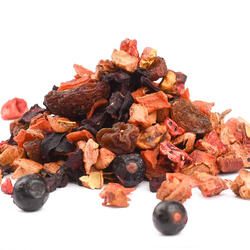
Child's Dream – Fruit Infusion
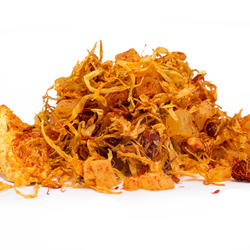
Bright Mango – Fruit Infusion