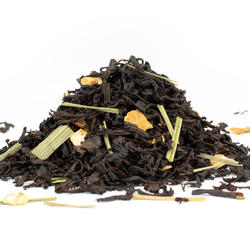
Oriental Mango – Black Tea


What do you think the Orient smells like? We imagine it as floral, fruity, colorful, wild, and energizing, but at the same time pleasantly harmonious and warm. Oriental Mango will undoubtedly enchant you. It is a well-balanced combination of genuine black tea from Ceylon and lots of exotic fruits. Just pour boiling water over it, it will take you away from everyday worries to the vibrant Orient.
Shipping methods
| Nizozemská pošta HD - zásilkovna | Delivered by 22. 10. | 1,00 € |
|---|---|---|
 DHL DHL |
Delivered by 22. 10. | 4,90 € |


Ingredients
79 % Black tea Ceylon OP1, Pineapple (pineapple, sugar, citric acid), Natural aroma, Orange peel, Papaya (papaya, sugar), 2 % Candied mango (mango, sugar), Sunflower, Mallow flowersBrew & Taste
The Oriental Mango blend combines strong black tea with delicate and sweet fruit. The result is a refreshing, pleasant and well-balanced drink. If you prefer Ceylon with milk, feel free to add it. If you love iced tea, this is the perfect blend to make it. Its infusion is pretty amber color and has a refreshing aroma.
Origins
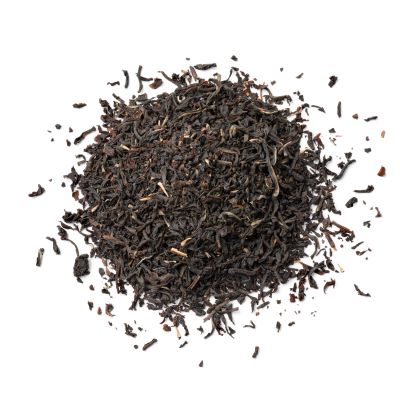
Ceylon has been known as Sri Lanka for a couple of decades now, but its black tea remains one of the most desirable in the world. No wonder they protect it with a special logo. If you come across a lion with a sword, you can be sure of the tea's authenticity. In Ceylon, Chinese tea trees (Camellia sinensis) are mostly grown on the slopes of high mountains. Warm days and cool nights are perfect for the plants. Harvesting is a matter of trained workers, and the method of plucking and carrying the tea leaves are important prerequisites for the final product. Once the tea is picked, it is spread out on large platters and left to rest for a few hours. Then they mechanically damage the leaves, usually by ''crumpling'' them, to release the juice that triggers the fermentation processes. During these steps, the tea acquires its typical taste, aroma and color. Once fermentation is complete, the harvest goes to the drying room. This is followed by sorting, packaging and export.
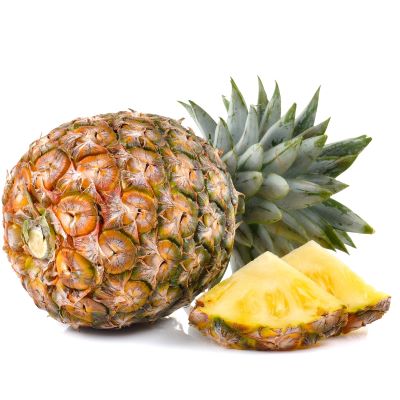
Why did we add pineapple to this black tea? Because it adds a great flavor and has many health benefits. The fruit of the pineapple tree (Ananas) contains vitamins A, B1 and B2, phosphorus, iron, calcium and potassium. It is also popular for its bromelin, a substance that helps digestion. There is probably no need to describe pineapple. However, it is worth mentioning that it is not harvested from trees or bushes, but from low herbs with leathery, pointed leaves. The largest producers of pineapples are the USA, Thailand, Philippines and Brazil. About 15 million tonnes of this tropical fruit are harvested annually worldwide.
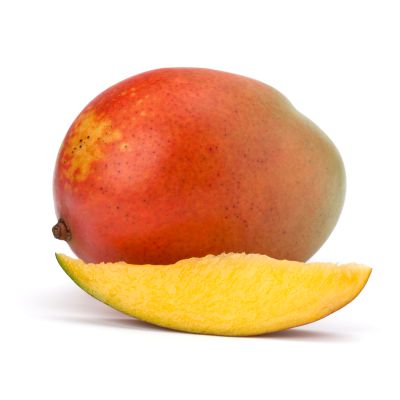
Unlike pineapple, the mango grows on trees (Mangifera). It is called ''the fruit of the gods'', because it is juicy and full of vitamins. In particular, vitamins C, A and B contribute to their excellent effect on the skin, hair and nails, and it also strengthens the neurological and circulatory system. The fruit is oval, usually with a yellow-red skin, under which is yellow flesh. It usually weighs around 2kg.
Benefits of ingredients:

Tea packaging preview
We pack our teas in a strong, zip-lock aluminum packet which allows you to easily re-seal its contents. This container protects the quality of the tea against humidity, light or foreign odors, all of which could noticeably affect the quality of the brew.
Preparation
 100 °C
|
 3-5 minutes
|
 1 teaspoon for 150-200 ml
|
Instructions for preparation
Pour 150-200ml of boiled water (100°C) per 1 teaspoon of tea.
When brewing in a teapot add 1 extra teaspoon.
Covered, let steep for 3-5 minutes, then remove the strainer.


Are you looking for inspiration? Other customers have bought this:
Masala Chai – Black Tea
Spanish Tangerine – Black Tea