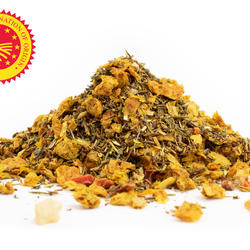
Organic Rooibos – Superior Long Cut


Caffeine-free and naturally sweet. Need more reasons to try rooibos? Because it also has significant nutritional benefits and a very appealing taste. Even really young children can drink it because it is mild, has no stimulants and contains antioxidants as well as polyphenols. The organic quality guarantees the absolute purity of this herb. Just have a taste and it will instantly be clear that this is the best among rooibos.
Shipping methods
| Nizozemská pošta HD - zásilkovna | Delivered by 14. 10. | 1,00 € |
|---|---|---|
 DHL DHL |
Delivered by 14. 10. | 4,90 € |


Ingredients
100 % Rooibos Superior Long Cut BIOBrew & Taste
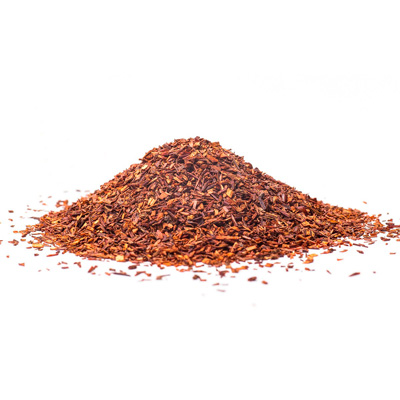
Rooibos Superior Long Cut is exceptionally smooth, light and velvety. It tastes sweet, like all rooibos, but if you focus on the flavor, you can reveal a nutty trace as well. Honey is also prominent in the flavor. The infusion has a dark mahogany color. Rooibos makes a great hot drink, which can be sweetened with milk or sugar and lemon. But rooibos also tastes great with ice cubes and fresh fruit.
Origins

Rooibos (Aspalathus linearis), grows only in South Africa, specifically in the southwestern Cape. Botanically, this shrub is classified in the legume family and blooms in a way that's similar to pea. The plants reach a height of around 2m and are known for their needle-like leaves. They thrive in dry, sandy soils and need periodic fires to thrive. The seeds can survive the high heat. Tea plants are very sensitive to environmental pollution, which, also due to their requirements for specific soil and light conditions, makes them endemic to South African – they can only be grown with extreme care elsewhere in the world.
The bark is harvested when it is less than 2 years old, by cutting whole branches about 50cm in length. They need to be finely chopped, piled up and left to ferment. The natural process of fermentation causes the originally green material to take on a beautiful mahogany color and the flavor to develop to a sweet and honeyed quality. Once the rooibos has reached the desired sensory parameters, workers spread it out on concrete slabs and leave it to dry in the sun.
Rooibos has been around for more than 300 years. In the Cederberg Mountains, where it grows, it is documented that it was consumed by the indigenous bushmen, who used it for a variety of health ailments. It was the botanist Carl Humberg who 'rediscovered' it at the end of the 18th century. But it wasn't until the early 20th century that Africans began exporting it. Today, it is a welcome option in herbal teas, and its worldwide consumption continues to grow.
To add to that, rooibos is rich in antioxidants, flavonoids and aspalathin, a substance with the potential to improve metabolic syndrome.
Benefits of ingredients:

Tea packaging preview
We pack our teas in a strong, zip-lock aluminum packet which allows you to easily re-seal its contents. This container protects the quality of the tea against humidity, light or foreign odors, all of which could noticeably affect the quality of the brew.
Preparation
 100 °C
|
 8 minutes
|
 1 teaspoon for 150-200 ml
|
Instructions for preparation
Pour 150-200ml of boiled water (100°C) per 1 teaspoon of tea.
When brewing in a teapot add 1 extra teaspoon.
Covered, let steep for 8 minutes, then remove the strainer.


Are you looking for inspiration? Other customers have bought this:
Organic Honeybush
Organic Rooibos Supergrade