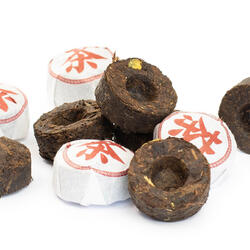
Organic China Pu Erh First Grade


The ancient tea trees of Yunnan Province have given us their best. Their green and firm leaves full of precious aroma have been processed by a unique slow fermentation method. As a result, they have a delicate earthy taste and great health benefits. Pu Erhs have been drunk for almost two thousand years. And there is no reason not to continue doing so.
Shipping methods
| Nizozemská pošta HD - zásilkovna | Delivered by 15. 10. | 1,00 € |
|---|---|---|
 DHL DHL |
Delivered by 15. 10. | 4,90 € |


Ingredients
100 % China PU ERH TEA 1ST GRADE BIOBrew & Taste
The Pu Erh teas are characterized by an earthy taste with a slight sweetness. The infusion is dark brown, the aroma natural and fresh. Be careful of the length of steeping: longer steeped tea has a coarser and stronger taste.
This organic Pu Erh is excellent not only as a hot drink, but also as an iced tea. Try its refreshing potential!
Origins

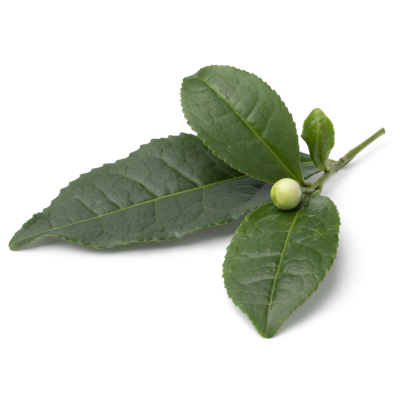
Organic Chinese Pu Erh comes from the Jing Mai Mangjing region, located in the southwestern province of Yunnan. It is said to be home to the oldest Chinese tea trees (Camellia sinensis) in the world. They provide just the right material for the production of traditional, slowly fermented tea. The landscape is mountainous and the climate is rich in monsoon rains.
The tea leaves for the production of Pu Erh Tea First Grade Organic are mostly hand-picked. The rarest are the tea trees, which grow for decades without human intervention. The absence of heavy metals and other traces of pollution is an appreciated added value, plus these rare shrubs are almost always grown under organic farming. It would be a shame to 'smother' them with industrial fertilizers and sprays.
Tea leaves are harvested by farmers several times a year. The idea is to be able to pluck both the young buds and the older 3-4 leaves. These are essential for the production of Pu Erh. Their processing is somewhat shrouded in mystery and the exact process of Pu Erh production exists only within the experienced plantation managers. It is generally known that after plucking, the leaves are left to wilt in the sun, then heated in large pans and hand-rolled. This product is called Mao Cha, and is either sold straight to market or further processed. This creates Sheng Cha, which takes several days to years to produce. Mao Cha is moistened and left to ferment. This allows it to mature and acquire a specific taste. Finally, it is sorted, steamed and pressed. Pu Erh can thus be bought either as loose tea or in the form of nests, bricks, tablets and cakes. They are often decorated with embossed ornaments or pressed tea leaves.
Pu Erh can also be found on the market under the name Pchu er, Puer or Pu-Erh.
Benefits of ingredients:

Tea packaging preview
We pack our teas in a strong, zip-lock aluminum packet which allows you to easily re-seal its contents. This container protects the quality of the tea against humidity, light or foreign odors, all of which could noticeably affect the quality of the brew.
Preparation
 100 °C
|
 3-5 minutes
|
 1 teaspoon for 150-200 ml
|
Instructions for preparation
Pour 150-200ml of boiled water (90°C) per 1 teaspoon of tea.
When brewing in a teapot add 1 extra teaspoon.
Covered, let steep for 3-5 minutes, then remove the strainer.


Are you looking for inspiration? Other customers have bought this:
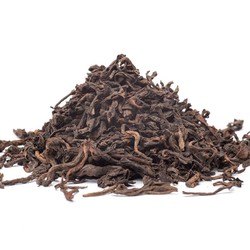
Pu Erh Super Organic
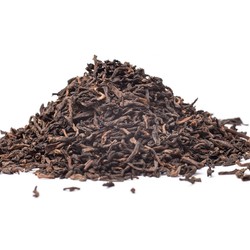
Pu Erh First Grade