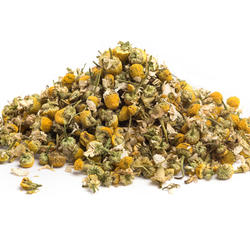
Orange-Ginger – Fruit Infusion


Whether it's hot or cold, this drink full of vitamins will be a delight. We've blended orange and ginger so you can reach for it any time of the year and always enjoy it. The sweet note of juicy oranges is followed by the freshness of apples, all rounded off by the attractive spiciness of ginger and pink pepper. Sip it warm or pour it over ice cubes. No matter the form, it will always be exquisite.
Shipping methods
| Nizozemská pošta HD - zásilkovna | Delivered by 2. 10. | 1,00 € |
|---|---|---|
 DHL DHL |
Delivered by 2. 10. | 4,90 € |


Ingredients
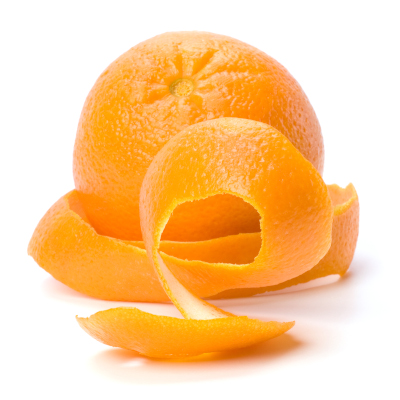
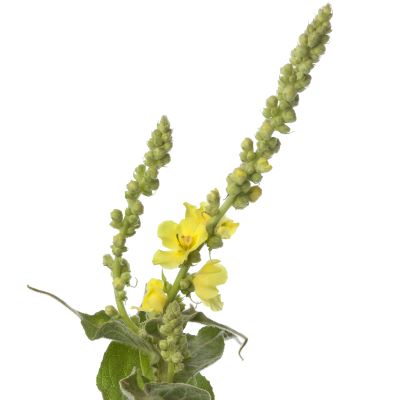
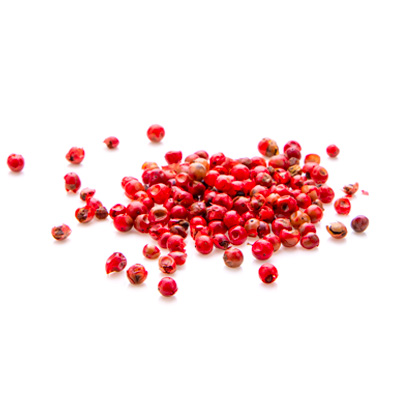
Apple chunks, Carrot flakes, White hibiscus flower, 10 % Orange peel, 10 % Ginger chunks (ginger, sugar), 8 % Dried orange chunks, Natural aroma, Mullein flower, Pink Pepper, 5 % GingerBrew & Taste
Orange-Ginger fruit tea gives the infusion a less pronounced, light yellow color, but the aroma that will spread from your teapot is pleasantly enchanting. You will recognize oranges, of course, but also apples and ginger. The same ingredients are in the taste of the tea. The sweet and sour fruits are nicely complemented by the peppery spices. This tea is suitable for both hot and iced drinks.
Origins
Did you know that orange trees can live up to a 100 years? Thanks to Orange-Ginger tea, you'll also discover that oranges are the most cultivated citrus fruit in the world. Or that they were first used as a medicine and only later became a popular treat.
For Orange-Ginger fruit tea, the fruit of the Chinese orange tree (Citrus sinensis) is absolutely essential. These evergreen trees grow up to 15m tall and bloom with white flowers that have an attractive, sweet a fresh smell. After pollination, the flowers turn into spherical fruits that take at least 3/4 of a year to ripen. The oranges contain 10-14 wedges of sweet flesh. These are yellow, orange or dark red, often with several seeds. Orange trees originated in China, but are now also grown in Europe.
They are rich in vitamin C, which is important for overall vitality, optimal digestion, mental well-being, etc. What's more, they taste great, so it's no wonder that consumption is soaring to dizzying heights every year around the world. In 2017, for example, it amounted to 75 million tonnes, growing by 1.2% each year. For the record, the Brazilians (17 million tonnes), the Chinese (9.5 million tonnes) and the Indians (8 million tonnes) consume the most oranges each year.
As for ginger, the other key ingredient in this tea, some 3.3 million tonnes are grown annually worldwide, and its production has seen a remarkable expansion. A significant part of the harvest goes to the US (89,000 tonnes), Japan (68,000 tonnes), the Netherlands (60,000 tonnes) and other countries such as the United Arab Emirates, Pakistan, Malaysia and Bangladesh.
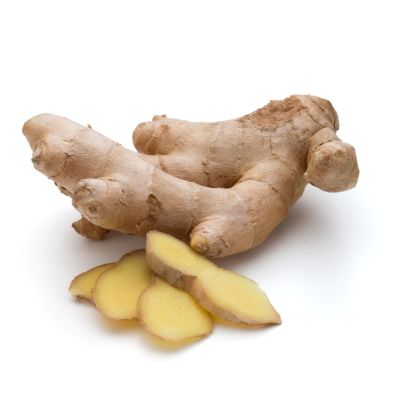
Ginger (Zingiber officinale) is a remarkable plant. It is famous, of course, for its sweet and pungent rhizomes, which have become part of the national cuisine of many countries, as well as for its various health and vitality-enhancing benefits. Originally, the perennial, about 1m, plant was probably widespread in the southern parts of China. From there it came to Europe. Ginger is rich in essential oils, flavonoids, alkaloids, saponins, steroids terpenoids and tannins. The main active ingredients are zingiberene, curcumin and gingerol. Thanks to these (and other compounds), consuming ginger promotes calm digestion, immunity and weight reduction.
Benefits of ingredients:


Tea packaging preview
We pack our teas in a strong, zip-lock aluminum packet which allows you to easily re-seal its contents. This container protects the quality of the tea against humidity, light or foreign odors, all of which could noticeably affect the quality of the brew.
Preparation
 100 °C
|
 8-10 minutes
|
 1 teaspoon for 150-200 ml
|
Instructions for preparation
Pour 150-200ml of boiled water (100°C) per 1 teaspoon of tea.
When brewing in a teapot add 1 extra teaspoon.
Covered, let steep for 8-10 minutes, then remove the strainer.


| Energy value: | 13 kJ / 3 kcal |
| Fats: | 0.1 g |
| of which saturated: | 0.1 g |
| Carbohydrates: | 0.7 g |
| of which sugars: | 0.3 g |
| Proteins: | 0.1 g |
| Salt: | 0.01 g |
Are you looking for inspiration? Other customers have bought this:
Royal Earl Grey – Black Tea