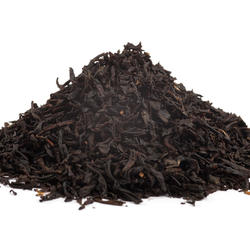
Nepal Shangri-La SFTGFOP1 SF – Organic Black Tea


Secret valley, a paradise on earth, a place of endless happiness and eternal peace. Shangri-La may be a myth to stimulate the imagination of many adventurers, but it's also a delicious black tea from the hills of Nepal's Ilam. For those who crave the purest nature, endless peace and energy, Nepal Shangri-La is the perfect choice. Its secrets are revealed in the first sip, along with the taste of fruits and spices.
Shipping methods
| Nizozemská pošta HD - zásilkovna | Delivered by 22. 10. | 1,00 € |
|---|---|---|
 DHL DHL |
Delivered by 22. 10. | 4,90 € |


Ingredients
100 % Black tea NEPAL SFTGFOP1 FF SHANGRI BIOBrew & Taste
Nepal Shangri-La SFTGFOP1 SF organic black tea has a dark amber color with the typical sweetness and pleasant astringency in its aroma. The taste is full of fruits and spices. This tea is excellent hot, but it is very refreshing as an iced tea as well.
Origins

The Ilam region can be found in the eastern part of Nepal, and because its nature is fascinating and the tea plantations there are rich, it is one of the main tourist attractions in the area. Tea has been produced in Ilam since 1863, with the first processing factory built 5 years later and the plantations occupying more than 55 hectares of land. For many locals, tea is a source of livelihood. In 2010, Nepal's total production was around 16 million kilograms a year, most of it coming from Ilam.
Ilam is one of the pioneers of organic farming when it comes to the way Chinese tea trees (Camellia sinensis) are grown. It is no coincidence that it was the first region in Nepal to ban the use of plastic shopping bags and set aside some of its land to process degradable waste. Its small hydropower plants are the most reliable source of energy in Nepal. Now, you may not be surprised to learn that it has taken such care and respect for nature to grow organic tea.
Tea trees in Nepal grow in hilly areas, which benefit the quality of their leaves. The first harvest takes place from the end of March to the end of April, while the second harvest lasts from mid-May to the end of July. The technique of black tea production involves, of course, plucking the tea, very often by hand and carried out under strict conditions – the workers go to the plantations early in the morning, and are not allowed to use any perfumes or have aromatic foods, as the leaves would absorb their scent immediately. They bring the harvest for processing in large baskets. The tea is left to wilt slightly and then rolled using a special tea rolling machine. This is followed by a rest period during which the juice released from the leaves triggers the fermentation process. The tea darkens and acquires its characteristic taste. Then it needs to be dried and chemically stabilized. Finally comes the sorting and packaging. At the very end, we will explain the designation of this tea. The abbreviation SFTGFOP1 stands for Special Fine Tippy Golden Flowery Orange Pekoe and refers to the fact that it is a tea with a large proportion of shoots, usually from a high mountain plantation.
Benefits of ingredients:
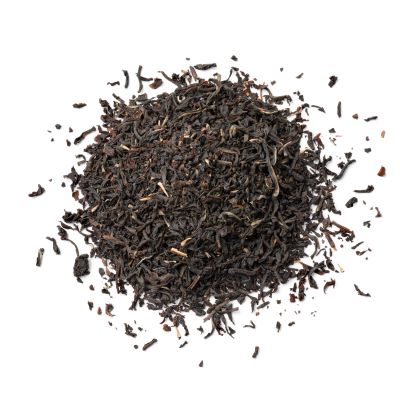

Tea packaging preview
We pack our teas in a strong, zip-lock aluminum packet which allows you to easily re-seal its contents. This container protects the quality of the tea against humidity, light or foreign odors, all of which could noticeably affect the quality of the brew.
Preparation
 100 °C
|
 2-3 minutes
|
 1 teaspoon for 150-200 ml
|
Instructions for preparation
Pour 150-200ml of boiled water (100°C) per 1 teaspoon of tea.
When brewing in a teapot add 1 extra teaspoon.
Covered, let steep for 5 minutes, then remove the strainer.


Are you looking for inspiration? Other customers have bought this:
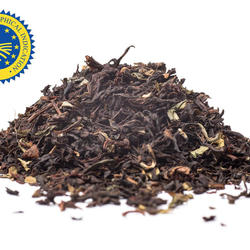
Darjeeling TGFOP1 Silverhill – Black Tea
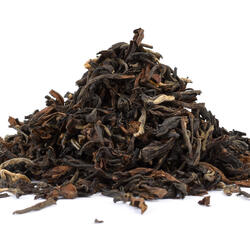
Golden Nepal FTGFOP1 Second Flush – Black Tea