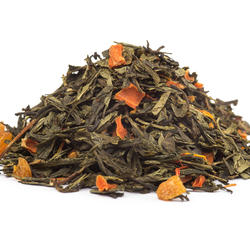
Mysterious Mango – Green Tea


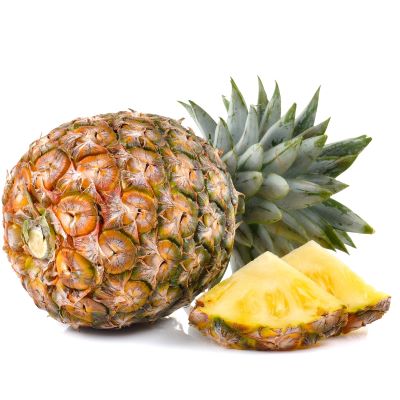
It wasn't hard at all. When you've got great sencha, nice mangoes and delicious pineapples, you can put a great tea blend together in the blink of an eye. No, we didn't just pile everything up and left the result to chance – behind the taste and aroma of Mysterious Mango is a careful selection of ingredients and a long search for the best ratio. Thanks to that, you can now indulge in a fresh combination of green tea and sweet exotic fruit.
Shipping methods
| Nizozemská pošta HD - zásilkovna | Delivered by 9. 10. | 1,00 € |
|---|---|---|
 DHL DHL |
Delivered by 9. 10. | 4,90 € |


Ingredients
Green tea Sencha, Candied pineapple (pineapple, sugar), 7 % Candied mango (mango, sugar), Natural aroma, Rose petals, Sunflower, Pot marigold flower, KnapweedsBrew & Taste
Mysterious Mango green tea is overall very pleasant, light and refreshing. It is one of those teas that doesn't tire even after the 5th pot. It smells fruity, you can definitely recognize sencha in its taste, but it does not stand out or overpower the sweet mango and sour pineapple. The whole composition is without any pronounced astringency, sounding harmonious and delicate.
Origins
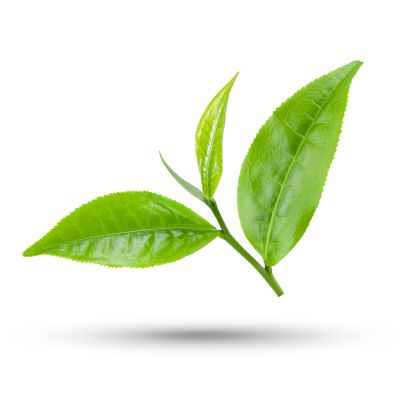
Is Mysterious Mango really mysterious? We've told you its composition, but it's worth taking a moment to tell you a little more about it. Sencha, for example... It is known to be one of the most typical representatives of Japanese teas. Here we have it in a Chinese variant that can be just as good as its Japanese counterpart. The Chinese tea plants (Camellia sinensis) from which sencha is made are grown without shade, and the leaves are usually picked and processed by machine. When you buy Chinese green tea, it will most often come from the traditional provinces of Fujian, Zhejiang or Yunnan. If you buy Chinese sencha, it will be a green tea processed according to a Japanese recipe.
The leaves are first allowed to wilt, then repeatedly steamed (which is fairly unusual for Chinese green teas) and finally shaped, dried and sorted. You can recognize sencha by its long, emerald green leaves shaped like flat needles. The tea tends to be fresh, slightly grassy. If you brew it from water that's too hot, or if you steep it for a long time, it becomes unpleasantly bitter.
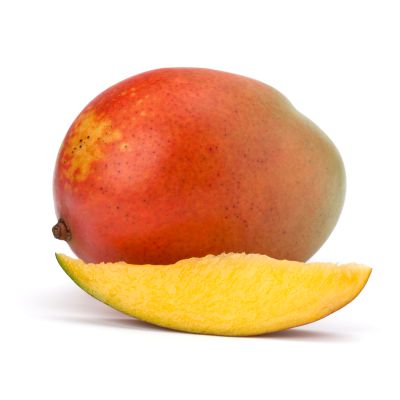
There's not much mysterious about mango either. Although its age, for example, can be astonishing. Fossils of mango trees as old as 30 million years have been found in India, Pakistan and Bangladesh. These are the areas where mango trees (Magnifera) originate, of course. The strong, evergreen trees are now cultivated almost throughout the tropics and subtropics. Their elongated, yellow to yellow-orange fruits have a sweet flavor and are very juicy and are therefore widely used in cuisines all over the world. In addition, however, they are also popular as a source of important vitamins, antioxidants and trace elements. Thanks to them, they contribute to the normal functioning of the immune, nervous and digestive systems, and their consumption also helps, for example, to maintain a proper sleeping pattern.
Now that you know all the secrets of this tea, all that's left is for you to taste it.
Benefits of ingredients:

Tea packaging preview
We pack our teas in a strong, zip-lock aluminum packet which allows you to easily re-seal its contents. This container protects the quality of the tea against humidity, light or foreign odors, all of which could noticeably affect the quality of the brew.
Preparation
 70-80 °C
|
 2-3 minutes
|
 1 teaspoon for 150-200 ml
|
Instructions for preparation
Pour 150-200ml of boiled water (70-80°C) per 1 teaspoon of tea.
When brewing in a teapot add 1 extra teaspoon.
Covered, let steep for 2-3 minutes, then remove the strainer.


| Energy value: | 15 kJ / 4 kcal |
| Fats: | 0.5 g |
| of which saturated: | 0.1 g |
| Carbohydrates: | 0.9 g |
| of which sugars: | 0.9 g |
| Proteins: | 0.5 g |
| Salt: | 0.01 g |
Are you looking for inspiration? Other customers have bought this:
Strawberry-Vanilla – Green Tea
Nine Flavors of China – Tea Blend