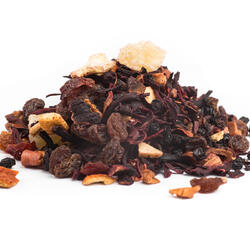
Mulled Wine – Fruit Tea


Cheers and to keep us warm! Mulled wine is as much a part of winter as freezing hands and red cheeks. The taste of gingerbread, orange and spices is something cherished by anyone who has ever tried it. Savor it out on the snowy mountains, after a walk in the park or at a Christmas festival with friends at the town square. Now you can treat yourself to this popular beverage whenever you like. Its tea variant is definitely worth a try.
Shipping methods
| Nizozemská pošta HD - zásilkovna | Delivered by 22. 10. | 1,00 € |
|---|---|---|
 DHL DHL |
Delivered by 22. 10. | 4,90 € |


Ingredients
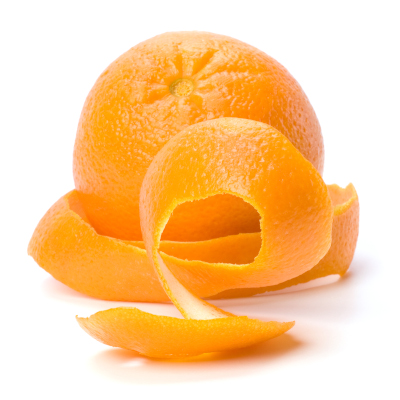
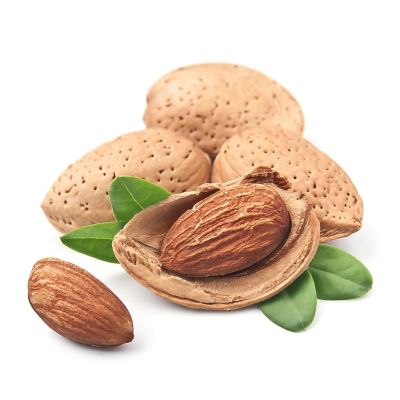
Apple chunks, Hibiscus, 10 % Orange peel, Rose Hip skin, Almond chunks, Pink Pepper, Ceylon cinnamon chunks, 1 % Orange granulate, Orange chunks, Natural aromaBrew & Taste
Mulled Wine fruit tea has a dark red color and smells of spices and fruit. You can taste juicy oranges, sweet almonds and apples, and there's a hint of spicy pepper. You can flavor it with honey or sugar, it tastes the best hot.
Origins
Traditional mulled wine, of course, is red wine and cinnamon, apples, and oranges. Everyone has their original and best family recipe, so we're adding one more to the mix – mulled wine tea. No alcohol, but full of vitamins and absolutely wonderful. You can prepare this mulled wine for schoolchildren, drivers, seniors, you can sip it at work, take it in a thermos for cross-country skiing or a walk through the snowy city.
The ingredients for Mulled Wine tea come from verified suppliers. They are of the highest quality and have been harvested, produced and stored with care to preserve all sensory properties and beneficial elements. Each of the ingredients is certainly worthy of consideration, but in our opinion, Mulled Wine tea would not be complete without hibiscus, rosehips and cinnamon. Let's talk about them a little bit.
Hibiscus, at least in tea form, is not the whole flowers of the Sudanese hibiscus (Hibiscus sabdariffa), but just its dried fleshy red calyxes. They have a sour taste and contain flavonoids, quercetin, cyanine, vitamin C, B vitamins and other important components that help, for example, to maintain the proper function of the nervous or excretory system and benefit the natural state of blood vessels and immunity. The infusion from the cups of the Sudanese hibiscus is popular in Egypt, Senegal and Panama as a thirst-quenching beverage that can help with a range of physical and mental ailments.
The rosehip (Fructus cynosbati) is a valuable source of vitamin C and is therefore recommended especially during the colder parts of the year. In addition, rosehips are also rich in vitamins A, K and B vitamins. Drinking rosehip tea has a positive effect on the normal function of the immune system, blood formation, bowel function, etc.
And finally, cinnamon, a faithful companion of all foods and drinks that warm and contribute to natural blood sugar levels, normal function of the heart and blood vessels or immunity. Thanks to cinnamaldehyde, we can enjoy the typical cinnamon taste and enjoy its aroma. It is not without interest that this substance has both fungicidal and insecticidal effects. The real cinnamon comes from the Ceylon cinnamon tree (Cinnamomum zeylanicum) – it's the bark of the tree, the edges of which curl inwards when dried in the sun. This is why cinnamon looks like a "double tube".
Benefits of ingredients:



Tea packaging preview
We pack our teas in a strong, zip-lock aluminum packet which allows you to easily re-seal its contents. This container protects the quality of the tea against humidity, light or foreign odors, all of which could noticeably affect the quality of the brew.
Preparation
 100 °C
|
 8-10 minutes
|
 1 teaspoon for 150-200 ml
|
Instructions for preparation
Pour 150-200ml of boiled water (100°C) per 1 teaspoon of tea.
When brewing in a teapot add 1 extra teaspoon.
Covered, let steep for 8-10 minutes, then remove the strainer.


Are you looking for inspiration? Other customers have bought this: