Manuhan – Ayurvedic Tea 250g


Pay attention to your body. If you notice everyone being fatigued and sore, it’s just a matter of time before the cold hits you, too. Don’t wait for it to bring you down. We’ve blended this tea for these exact occasions. No sugars, no fillers, just tried-and-tested herbs and a pinch of Ayurvedic wisdom. It warms you up, calms you down, and helps your body get back on its feet.
Shipping methods
| Nizozemská pošta HD - zásilkovna | Delivered by 22. 10. | 1,00 € |
|---|---|---|
 DHL DHL |
Delivered by 22. 10. | 4,90 € |
Ingredients
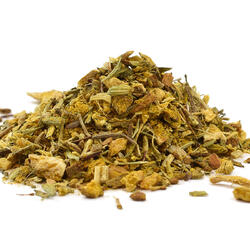
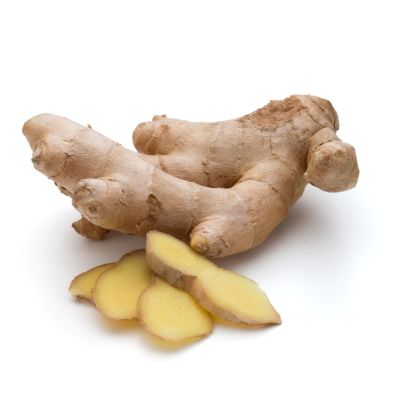
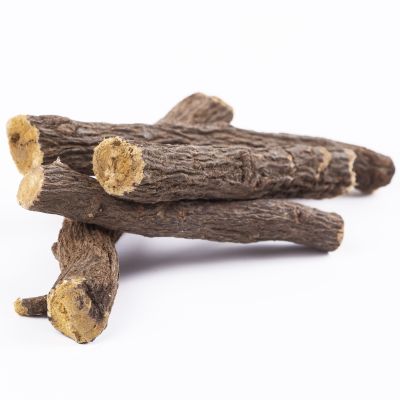
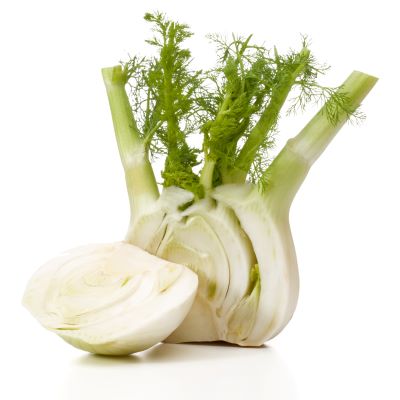
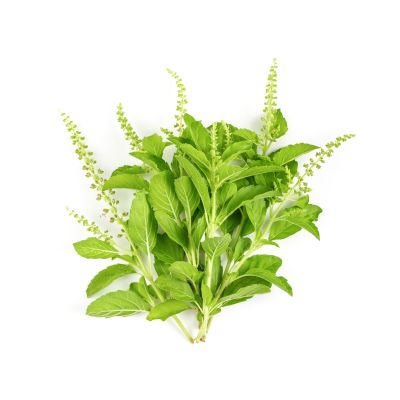
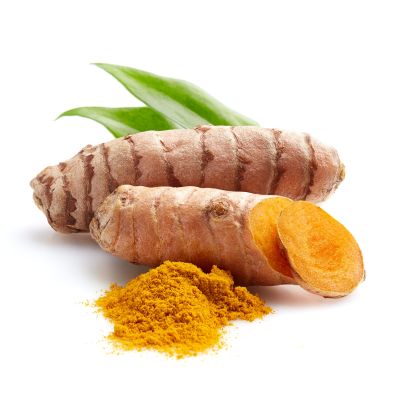
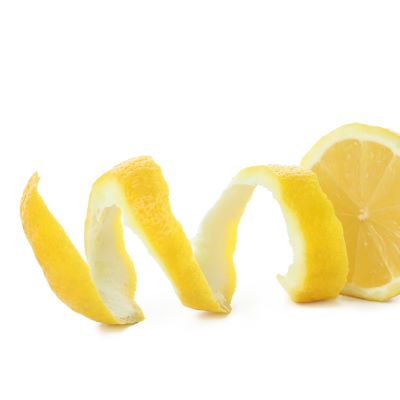
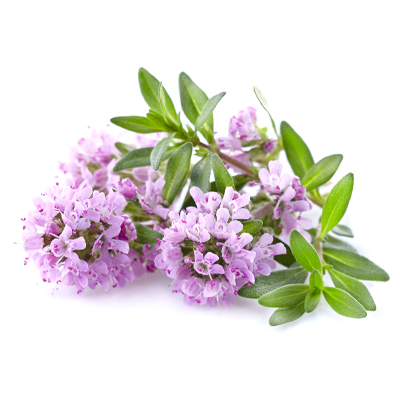
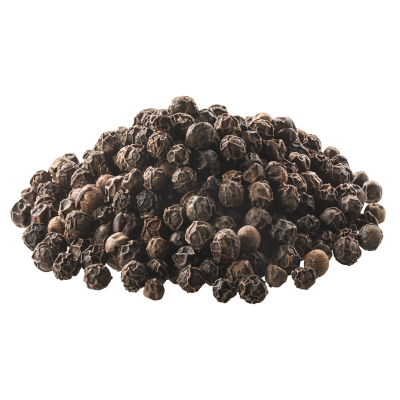
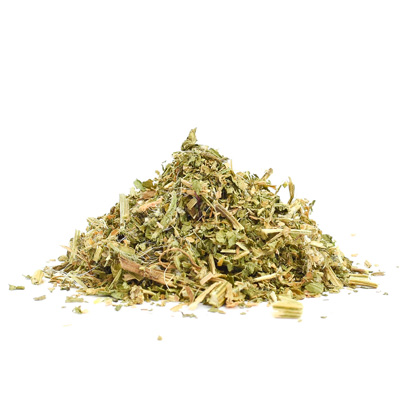
Cinnamon, Ginger, Liquorice root, Fennel, Tulsi herb, Turmeric, Lemon peel, Thymus, Black Pepper, Burdock root, Echinacea, St. Benedict's thistleBrew & Taste
Manuhan herbal tea is amber-colored, with a properly strong flavor. The first thing you’ll notice after brewing it is notes of ginger, warming you up from the very first sip. Peppercorns add a hint of spice and licorice leaves a pleasant sweetness on your palate. It’s not some mild tea for an all-day enjoyment – it’s a kickstart for those who need it.
Origins
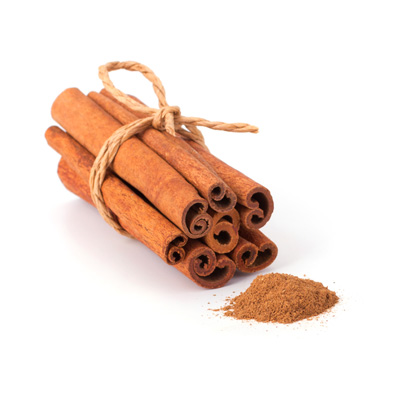
No mysterious alchemies at work here. You’ve more than likely already came across every ingredient in Manuhan. First, ginger; lots of ginger. Then cinnamon, which is simply indispensable. Turmeric and peppercorns, a surprisingly well-coordinated duo. Echinacea, because it works. And even thyme, proven to be worthy by our ancestors. Which means you can read all the ingredients aloud without stumbling over your words. And more importantly, you know what you’re drinking.
Thyme, fennel, burdock, and many other ingredients in this blend are plants that are relatively common in Europe. At first glance, St. Benedict's thistle looks like an unsightly thistle, and you wouldn't even notice it in a flowering meadow. You may therefore be surprised to learn that during the Middle Ages, it earned the nickname ""blessed"". It was cultivated in monastery gardens as a gift from heaven, capable of warding off the plague, poison, and scorpion stings. And because of its fame, even the great Shakespeare mentioned it in his comedy at the end of the 16th century. Isn't that fascinating?
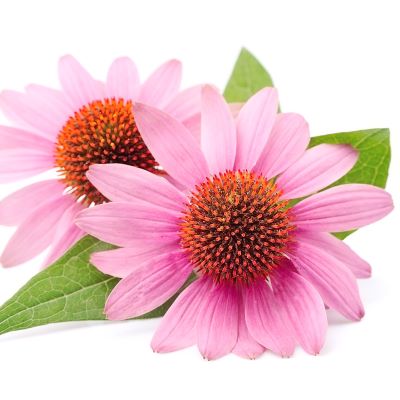
Another herb worth mentioning is echinacea, which was originally cultivated by the North American natives. And while St. Benedict’s thistle was gaining fame in Europe and echinacea in the prairies, turmeric and pepper were rising to fame in Asia. But that probably won't surprise you, as you can find them in every kitchen today.
Find out more about this tea here.


Instructions for preparation
- Before brewing, shake the teabag well to combine all the ingredients properly.
- Pour 150-200 ml of boiled water (90°C) per 1 teaspoon of tea.
- Covered, steep for 8-10 minutes, then remove the strainer.
- If you prefer stronger tea, lessen the amount of water or add another teaspoon of tea.