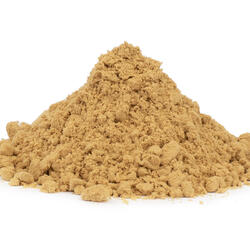
Maitake (Grifola Frondosa) – Organic Mushroom Powder


Why do the Japanese call it the Dancing Mushroom? Legend has it that anyone who finds it will break into a joyful dance. No wonder, since the maitake mushroom is a valuable source of immunomodulatory substances, vitamins and minerals. Plus, it tastes really good. If you like the subtle, slightly woody and nutty taste of mushrooms, give it a try.
Shipping methods
| Nizozemská pošta HD - zásilkovna | Delivered by 8. 10. | 1,00 € |
|---|---|---|
 DHL DHL |
Delivered by 8. 10. | 4,90 € |


Ingredients
100 % Maitake BIOBrew & Taste
Organic maitake mushroom is an easy, healthy addition to your diet – it tastes mild, a bit earthy and woody, with a pleasant nutty aftertaste at the end. The aroma is light, not too strong. If you prepare maitake the same way as tea, you will end up with a drink of light to dark brown color, depending on the amount of powder used and the length of the brewing process.
Origins
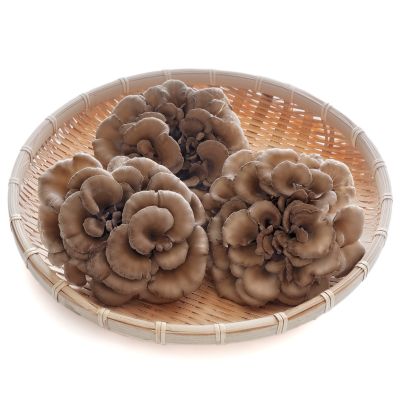
When you search for maitake on the internet, look for the hen-of-the-woods (Grifola frondosa). You will probably find that it is a woody fungus found in temperate forests of the northern hemisphere. It's most common in Japan, China and parts of Europe. Its fruiting bodies form large clumps, often described as chicken feathers or fan-shaped leaves. The concetrated sporocarps range from 3-14cm in diameter. It's grey to light brown color, and the flesh is white.
The clusters of fruiting bodies can weigh up to several kilograms. They're found at the base of the trunks and roots of deciduous trees. The best time is in September or October. But beware, the chances you'll actually come across maitake are rather slim. That is also why there has been a recent increase in farms that grow maitake in artificial conditions.
Maitake contains beta-glucans, polysaccharides with immunomodulatory properties and ergosterol, a precursor of vitamin D and B vitamins (B2, B3, B5) that support energy metabolism and nervous system. Among the minerals, we can mention potassium, calcium, magnesium or iron.
In short, it is a popular mushroom in all aspects. Some people reach for it as a dietary supplement, others use it in the kitchen. Maitake works well in soups, sauces or stir-fries, for example.
One more note: medicinal mushrooms may seem to have been the hit of the last few years, but make no mistake, maitake is mentioned in sources dating back to the Han Dynasty (206-210 AD) and in the Shen Nong Ben Cao Jing, a book on the ancient Chinese medicinal herbs and agriculture.
Benefits of ingredients:

Herb packaging preview
We pack our herbs in a strong, zip-lock aluminum packet which allows you to easily re-seal its contents. Thanks to the hermetic seal, the herbs are protected against humidity, light and foreign odors, all of which could noticeably affect the quality of the brew and the herb itself.
Preparation
 40 °C
40 °C
|
 1-3g
1-3g
|
Instructions for preparation
Stir 1-3g in 100ml of lukewarm water or other beverage.
For best results, repeat 5 days a week, then skip 2 days.
To encourage absorption, it's recommended to increase your vitamin C intake.


| Energy value: | 1552 kJ / 367 kcal |
| Fats: | 5 g |
| of which saturated: | 0,94 g |
| Carbohydrates: | 21,6 g |
| of which sugars: | 0,14 g |
| Fibre: | 37 g |
| Proteins: | 21,9 g |
| Salt: | 0,03 g |
Are you looking for inspiration? Other customers have bought this:
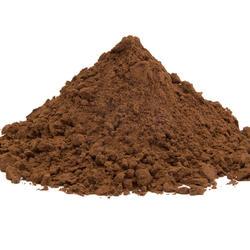
Reishi – Organic Mushroom Powder
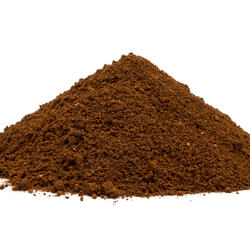
Chaga (Inonotus Obliquus) – Mushroom Powder