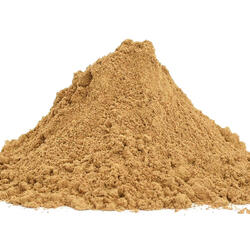
Chaga (Inonotus Obliquus) – Mushroom Powder


Call it the chaga mushroom, or "some weird tree growth". Add it to water, coffee, juice or hot chocolate. And behold its powers. Its unique properties rightfully earned it great popularity – this mushroom has been treasured since the Mesopotamian times. It can support your immunity, cardiovascular system, or digestion. It's even favored by Siberian shamans and Japanese priests.
Shipping methods
| Nizozemská pošta HD - zásilkovna | Delivered by 12. 10. | 1,00 € |
|---|---|---|
 DHL DHL |
Delivered by 12. 10. | 4,90 € |


Ingredients
100 % Siberian Chaga BIOBrew & Taste
The vibrant, brown powder tastes bitter and sweet at the same time. Because it is a ground mushroom, it does not dissolve in water. You can add it to dishes and drinks, or brew it into a tea-like drink.
Origins
First, a bit of taxonomy. Chaga sibirica is the vernacular name for Inonotus obliquus. In the mushroom kingdom, it is classified as Bysidiomycota, meaning that the sporocaps contain a spore-like capsule, as opposed to the Asomycota, which reproduce by means of club-shaped formations called phyla. In addition, chaga is one of the Agaricomycetidae fungi, which makes it related to chanterelles, boletes, oyster and polyporus mushrooms. That shouls cover all the basics. In short, it is a fungus that attacks deciduous trees, most commonly birch, beech, poplar, oak and alder. And let's say that if you come across it in the wild, you probably won't notice it for its beauty. But aesthetics is not the point.
The dark to black colored mushrooms create not-so-beautiful formations on the trunks of trees. You can come across perfect, hemispherical, year-old mycelium mass that covers over half of the trunks diameter. On the other hand, imperfect growths are irregular 10-35cm long and grey, which later turns a rusty brown. They can live up to 20 years. Once the Siberian chaga invades a tree, it causes its slow destruction.
The Siberian Chaga is native to the forests of Russia, northern Europe, as well as North America and Asia. So, wherever the temperatures are low year round. There, it's used to combat a number of health problems. It's use dates back to Mesopotamia and Egypt, and is also popular in China and Japan. In Russia, it was used in shamanic ceremonies. It is said that the Siberian healer and mystic Rasputin used it on himself, and it appeared in the work Cancer Ward by the Russian writer and Nobel Prize winner Solzhenitsyn.
To use it, the mushroom must be chopped into small pieces and dried very slowly. Why so much care? Because it is full of beneficial nutrients! Let's name betulin and betulinic acid with the ability to combat various infections and some disorders. Also worth mentioning are the β-glucans as powerful immunostimulants. Melanin acts as an antioxidant, and terpenes and steroids are beneficial for people with cancer diagnoses. In a small amount, chaga also contains vitamins D & B, calcium, zinc, magnesium, iron and other minerals.
The mushrooms grown for this powder were harvested in the forests of Finland, in purely natural conditions not affected by human activity. Therefore, there are no harmful substances or their residues present.
Now you just need to know how to prepare this precious mushroom. If you prefer teas, boil a teaspoon of powder in water and sip for up to 8 weeks twice a day. You can also use the powder directly and wash it down with water. Or add it to smoothies, yogurt, hot cocoa, tea... In short, make your breakfast or snack ultra healthy.
Benefits of ingredients:
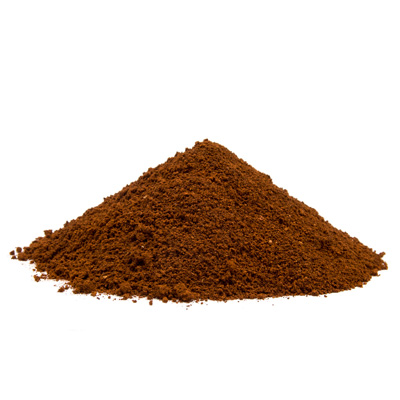

Herb packaging preview
We pack our herbs in a strong, zip-lock aluminum packet which allows you to easily re-seal its contents. Thanks to the hermetic seal, the herbs are protected against humidity, light and foreign odors, all of which could noticeably affect the quality of the brew and the herb itself.
Preparation
 70-80 °C
|
 1 teaspoon for 250 ml
|
Instructions for preparation
Chaga can be used in a variety of ways.
Add it to water, coffee, milk, hot cocoa, juice, or smoothies.
Alternatively, pour 250ml of boiling water per 1 teaspoon of powder.
Recommended daily dosage is 1 teaspoon 2 times a day. For best results, use 20 minutes before meals.
Do not use for more than 8 weeks at a time.


| Energy value: | 1408 kJ / 331 kcal |
| Fats: | 0,40 g |
| of which saturated: | 0,10 g |
| Carbohydrates: | 7,50 g |
| of which sugars: | 0,50 g |
| Fibre: | 72,2 g |
| Proteins: | 6,25 g |
| Salt: | 0,01 g |
Are you looking for inspiration? Other customers have bought this:
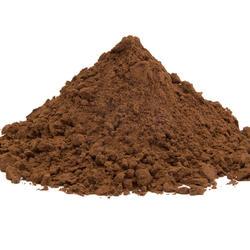
Reishi – Organic Mushroom Powder
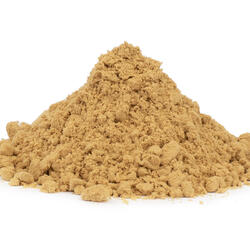
Lion's Mane (Hericium Erinaceus) – Organic Mushroom Powder