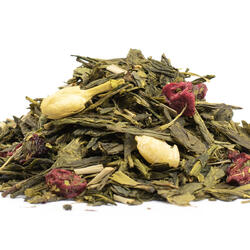
Magic Temple – Green Tea


Everyone has their own idea of a magical place. For some, it lies beneath the sea, others find it on mountaintops high in the sky. But most of us carry the greatest magic within us. Sit back, close your eyes and... you'll find yourself in your own temple. Surrounded by silence and warm love. The best tea for such moments? Sencha with papaya, mango and cherry: in short, Magic Temple.
Shipping methods
| Nizozemská pošta HD - zásilkovna | Delivered by 22. 10. | 1,00 € |
|---|---|---|
 DHL DHL |
Delivered by 22. 10. | 4,90 € |


Ingredients
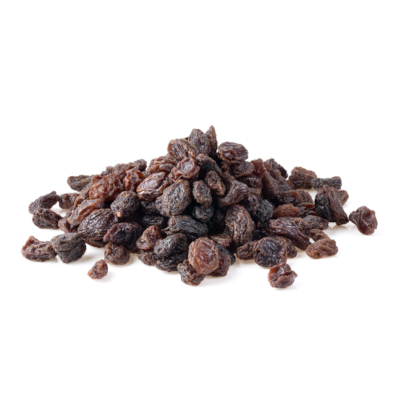
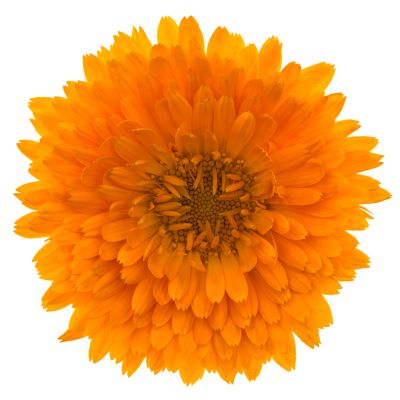
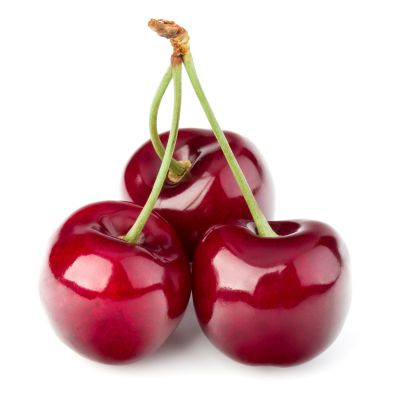
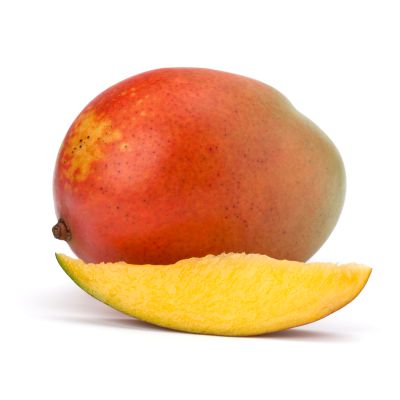
Green tea Sencha, Candied papaya (papaya, sugar), Raisins, Hibiscus, Pot marigold, Sour cherry chunks, Dried mango chunks, Natural aromaBrew & Taste
Magic Temple tea gives the infusion a deep orange to red color, as it contains hibiscus, which gives the drink a crimson hue. The flavor of the tea is very layered, you'll notice the grassy freshness of sencha and the pleasantly soothing notes of fruit. Magic Temple can be prepared both hot and iced.
Origins
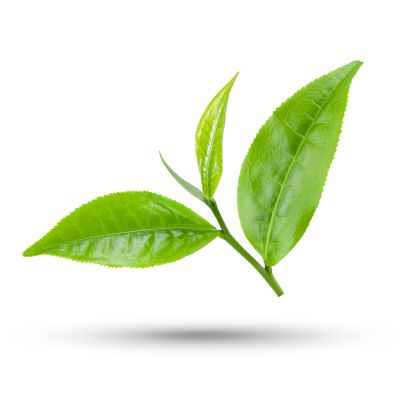
Sencha from China's famous Huang Shan (Yellow Mountain) region is characterized by a taste reminiscent of famous Japanese teas rather than the Chinese classics. This is because of the way the tea leaves have been processed. Unlike the more common pan roasting, this sencha has been steamed several times for a short time. The high temperature stopped the oxidation of enzymes in the leaves and preserved their delicate flavor and aroma.
The Huang Shan Mountains are located in the Southern Anhui Province in the eastern part of China. The area is famous for its beautiful scenery, with hot springs and high hills covered with sturdy pine trees. It is one of the most visited tourist destinations in China, and has even been listed as a UNESCO World Heritage Site.
Sencha is not only very tasty, but also healthy and can be enjoyed throughout the entire day. According to recent research by Toledo scientists, it contains substances that block urokinase, an enzyme that is secreted by carcinogenic cells. Sencha has been talked about in relation to health for many years. Of course it eliminates fatigue, but traditional medicine also describes its ability to improve digestion, aid recovery, reduce fever and blood sugar levels. There's a reason green teas have been loved for almost 5,000 years and their popularity has not waned.
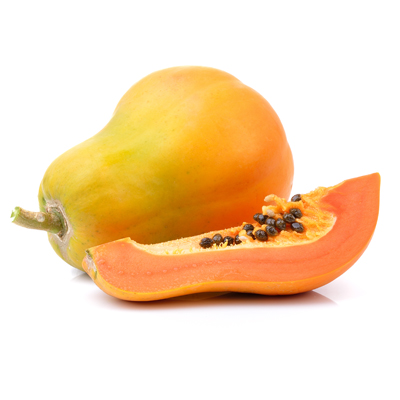
In addition to the sencha described above, papaya and hibiscus are also found in Magic Temple tea. Papaya (Caricia papaya) is an herb that looks a bit like a tree. It grows typically in Central America, and has spread from there to many areas with tropical climates. It produces large berries weighing 0.5-10kg. Under the skin is a sweet flesh with many small seeds in the center. The papaya is very tasty and its use is therefore wide-ranging. It is eaten raw, used in drinks, preserves and so on. Another advantage is its papain content, which aids digestion and has anti-inflammatory properties.
Hibiscus, at least in this tea, is the dried flower of the eponymous plant. The Sudanese hibiscus (Hibiscus sabdariffa) grows to 2m in height and is a shrub native to Africa, now often cultivated in tropical areas around the world. The flowers are used in the preparation of beverages because of their pleasant sour taste and their abundance of vitamins (especially vitamin C) and minerals (especially iron, calcium, phosphorus and manganese). It is no wonder that they are recommended for inflammation, artery clogging, overweight or excessive sweating.


Tea packaging preview
We pack our teas in a strong, zip-lock aluminum packet which allows you to easily re-seal its contents. This container protects the quality of the tea against humidity, light or foreign odors, all of which could noticeably affect the quality of the brew.
Preparation
 70-80 °C
|
 2-3 minutes
|
 1 teaspoon for 150-200 ml
|
Instructions for preparation
Pour 150-200ml of boiled water (70-80°C) per 1 teaspoon of tea.
When brewing in a teapot add 1 extra teaspoon.
Covered, let steep for 2-3 minutes, then remove the strainer.


| Energy value: | 24 kj / 6 kcal |
| Fats: | 0,03 g |
| of which saturated: | 0,015 g |
| Carbohydrates: | 1,2 g |
| of which sugars: | 0,9 g |
| Fibre: | 0,15 g |
| Proteins: | 0,15 g |
| Salt: | 0 g |
Are you looking for inspiration? Other customers have bought this:
Energy Booster – Black Tea
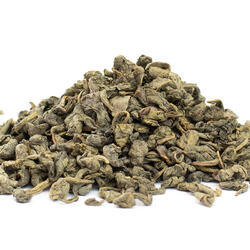
China Gunpowder – Green Tea