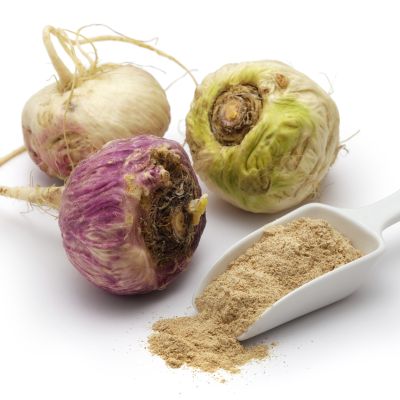
Maca (Lepidium Meyenii) – Organic Powder


Another native of Peru that's growing in popularity world-wide. Maca, originally one of the sacred foods of the Native Americans reserved only for the highest-ranking members, is now available to you! Why try it? Because it supports hormonal balance, fertility and overall harmony. Add to smoothies, juice, or yoghurt for a unique sweet and spicy flavor.
Shipping methods
| Nizozemská pošta HD - zásilkovna | Delivered by 22. 10. | 1,00 € |
|---|---|---|
 DHL DHL |
Delivered by 22. 10. | 4,90 € |


Ingredients
100 % Maca BIOBrew & Taste
If you brew Maca, you'll get a very light, almost yellow infusion with neutral aroma and decent, mildly sweet and slightly spicy taste.
Origins
Maca (Lepidium meyenii) is one of the most remarkable plants found in the high-altitude regions of South America. It's native to the Peruvian Andes, where it naturally grows in the extreme conditions of 3,500-4,500 meter altitude. Here, in areas exposed to intense sunlight, strong winds, and significant temperature fluctuations, it developed an extraordinary resilience – and with it, a unique nutritional profile.
At first glance, the plant appears unassuming. It seems as a low, ground-hugging growth with leaves arranged in a rosette. These allow it to withstand the harsh mountain conditions. It blooms with tiny white flowers that gradually mature into seeds, but the most valuable part is hidden beneath the surface. The maca root, which can be yellow, red, or black, resembles a small beet in shape. The yellow maca you see here is the most widespread and traditionally the most widely used.
Local residents know it by a variety of names. You may find it labeled as ayak chi-chira, maino, pepper grass, or Peruvian ginseng. Each of these names reflects either its origin or the effects that have been attributed to it for centuries.
The history of its use dates back more than 2,000 years. Even pre-Columbian civilizations considered it an exceptional crop. They used it as a source of energy, but also as a means to support vitality and fertility. The Incas even kept it as an exclusive right of warriors and the nobility, which makes its value at the time even more apparent. Thanks to its long shelf life and high nutritional value, maca was an important part of the diet and trade system in mountainous regions.
Today, maca is grown primarily in central Peru, in the Junín and Pasco regions. It's harvested once a year, and the roots are then dried in the mountain air in a traditional method that preserves their quality. The dried root is then ground into a fine powder with a characteristically sweet, slightly earthy flavor.
From a modern nutritional perspective, maca is valued primarily for its content of bioactive compounds, which are responsible for its reputation:
- amino acids (including essential ones),
- phytoestrogens,
- fatty acids (linoleic and oleic acids),
- sterols (beta-sitosterol),
- glucosinolates,
- alkaloids,
- B vitamins, vitamins C and E,
- minerals (iron, calcium, zinc, magnesium, potassium).
It is precisely this combination of substances that meant maca would find its way from the harsh mountain conditions into modern lifestyles. Its consumption supports fertility, has a beneficial effect on the hormonal system (menopause), and supplements phytoestrogens.
Benefits of ingredients:

Tea packaging preview
We pack our teas in a strong, zip-lock aluminum packet which allows you to easily re-seal its contents. This container protects the quality of the tea against humidity, light or foreign odors, all of which could noticeably affect the quality of the brew.
Instructions for preparation
Stir 3-5g of maca into a drink or dish.
Do not exceed recommended daily dosage of 3-5g.


Are you looking for inspiration? Other customers have bought this:
China Tie Luo Han Iron Arhat – Oolong
Manuhan – Ayurvedic Herbal Tea