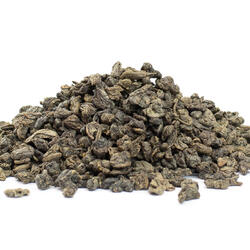
Japan Yabukita Sencha – Green Tea


Few can boast that their work has completely changed the tea mastery of the Land of the Rising Sun. A man named Sugiyama Hikosaburo and his Yabukita tea tree cultivar have done it, and thanks to him we can enjoy the perfect play of flavors in every cup of this unique variety of green tea.
Shipping methods
| Nizozemská pošta HD - zásilkovna | Delivered by 12. 10. | 1,00 € |
|---|---|---|
 DHL DHL |
Delivered by 12. 10. | 4,90 € |


Ingredients
100 % Green tea Japan Sencha YabukitaBrew & Taste
Japan Sencha Yabukita in premium quality offers the perfect umami experience in the first infusion and subsequent infusions will give you a full and balanced flavor combined with a more than pleasant aroma.
Origins

On the Japanese island of Honshu lies the prefecture of Shizuoka. Because of its cooler climate, tea grower Sugiyama Hikosaburo chose it in 1908 to test the abilities of his 2 new tea tree cultivars. He named them Yabukita and Yabuminami. Yabu is the Japanese word for bamboo grove, and kita means north, and minami means south.
The emphasis was on the cold hardiness of the varieties, apart from the obvious high quality of the leaves. And here the Yabukita cultivar won outright. After years of testing, he registered it in 1953, opening the door to a change in tea cultivation in Japan. Since then, Yabukita has gradually spread to most of the country's plantations, but it has maintained its pre-eminent position mainly in the Shizuoka region.
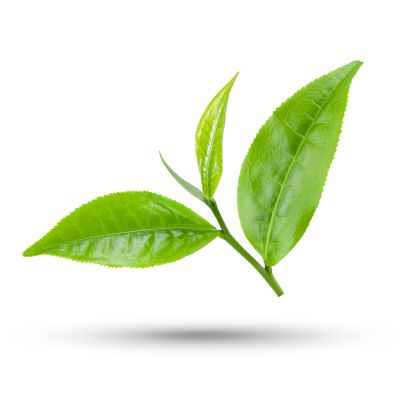
Japan Sencha Yabukita is a premium quality tea. The leaves used for its production come from the first harvest. They have therefore retained most of the important ingredients for the legendary lightness and distinctive umami flavor. Moreover, only the top leaves are used for this rare sencha, which are able to retain the freshness and bright color of the subsequent infusion.
Sencha ripens in full sun compared to other types. After harvesting, the tea is steamed to prevent further oxidation. The processed leaves are then dried and shaped into a needle shape. The relatively simple process of cultivation, production and subsequent preparation of the finished infusion makes sencha the most popular tea in Japan. It was imported to the country from China during the 17th century and now accounts for up to 80% of production.
In recent years, there has been a growing trend for serving an iced version of this tea, which can be a welcome change, especially in summer. You can try cold brew or steep the brewed beverage and let it cool down. The iced version is only recommended for the highest variety of tea, otherwise the resulting infusion will not achieve the desired properties.
Benefits of ingredients:

Tea packaging preview
We pack our teas in a strong, zip-lock aluminum packet which allows you to easily re-seal its contents. This container protects the quality of the tea against humidity, light or foreign odors, all of which could noticeably affect the quality of the brew.
Preparation
 70-80 °C
|
 2-3 minutes
|
 1 teaspoon for 150-200 ml
|
Instructions for preparation
Pour 150-200ml of boiled water (70-80°C) per 1 teaspoon of tea.
When brewing in a teapot add 1 extra teaspoon.
Covered, let steep for 2-3 minutes, then remove the strainer.


Are you looking for inspiration? Other customers have bought this:
Japan Sencha Ityouka – Organic Green Tea
China Gunpowder – Green Tea