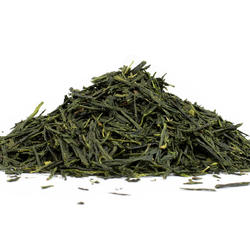
Japan Shincha Yabukita BIO - green tea


In a word? The freshest! If there's one thing you need to know about shincha tea, it's that it comes from the first harvest and is one of Japan's delicacies. How could it not be, when its delicacy and refinement is crowned with umami - a delicate fifth taste that is irresistible. Supplies of Japan Shincha Yabukita BIO from the Shizuoka region are limited. So don't hesitate a minute!
Shipping methods
| Nizozemská pošta HD - zásilkovna | Delivered by 22. 10. | 1,00 € |
|---|---|---|
 DHL DHL |
Delivered by 22. 10. | 4,90 € |


Ingredients
100 % Green tea Japan Shincha Yabukita BIOThe infusion and taste of the tea
Japan Shincha Yabukita BIO gives a very light, greenish-yellow colour to the infusion. In a sip, you immediately register a sparkling freshness, a round, harmonious sweetness and, of course, umami. In Japanese, it means something like the essence of gentleness. The overall effect of this tea is extremely light and balanced.
Origin of tea

To understand the splendor of Japan Shincha Yabukita BIO tea, we need to look at where it actually grew. The Shizuoka region of Japan is one of the traditional tea regions, and is also sometimes called the "Japanese Riviera". It is situated along the coast of the Pacific Ocean. But it can't complain about the endless and boring plains. On the contrary. Shizuoka is characterised by hills rising into steep mountain peaks. The most famous peak is Mount Fuji, the highest in Japan and a UNESCO World Heritage Site. It rises to a height of 3 776 metres above sea level, is surrounded by lakes and is largely covered by forests. For five months of the year, its peak is hidden under snow.
Tea farmers thrive in such a landscape. Gardens at high altitudes, plenty of streams and rivers, lush countryside, plenty of rainfall and sunshine... it's no wonder that people in the region have been growing Chinese tea bushes (Camellia sinensis) since the mid-13th century, and today the province produces 40 per cent of all Japanese tea. The specific shincha is one of the most exquisite.
Translated, the word "shincha" means something like new tea, the first tea to be harvested from a plantation. Once a rarity for the Japanese emperor, it now reaches Europeans who know what's good. The plucking of tea leaves to make shincha is a major event with many celebrations. Folk festivals and markets in towns and small villages have one goal: to give their visitors their first taste of green tea.
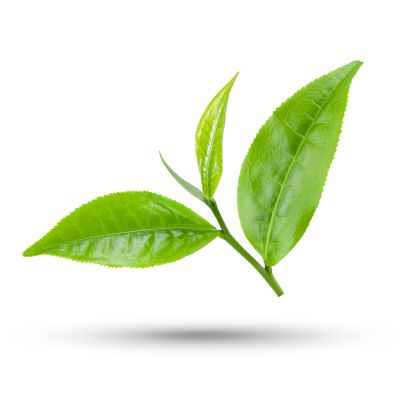
Why is early harvested tea top, what does the harvest look like and what does the processing entail? Tea leaves picked first (first flush) after winter are very rich in nutrients. In fact, they do not grow in the cold months, they just accumulate precious aromatic substances. As soon as it warms up a bit, young, tender, white to light green shoots, buds and leaves sprout. In addition to having an extraordinary flavor, they contain large amounts of vitamins, and mini acids, unsaturated fatty acids, and antioxidants.
Such leaves are usually harvested in the Shizuoka region in late April, but the exact date is always affected by the weather. The harvest is sometimes called ichibancha and is immediately followed by shiage, the processing of the tea. This involves a short wilt, separation of stems and leaf fragments, and gentle roasting in large pans to preserve the natural, fresh flavor.
Finally, a legend: Those who drink shincha tea are accompanied by happiness and joy. Will you try it?
Benefits of ingredients:

Tea packaging preview
We pack our teas in a strong, zip-lock aluminum packet which allows you to easily re-seal its contents. This container protects the quality of the tea against humidity, light or foreign odors, all of which could noticeably affect the quality of the brew.
Preparation
 70-80 °C
|
 2-3 minutes
|
 1 teaspoon for 150-200 ml
|
Instructions for preparation
- Pour the green tea with water at a temperature of 70-80 °C (about 2 minutes after boiling the water), in the ratio of 1 teaspoon per 1.5-2 liters.
- Add 1 teaspoon extra for the preparation of tea in a teapot.
- Leaching time 2-3 minutes (covered cup), then strain.


Are you looking for inspiration? Other customers have bought this:
Japan Gyokuro Hisui – Organic Green Tea