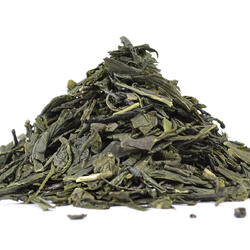
Japan Sencha Kurumi – Organic Green Tea


A tea with two faces – mild, yet with a distinct character at the same time – that's Japan Sencha Kurumi. In one moment, it feels pure and refreshing, and in the next one, it surprises you with a smooth sweetness and umami. If you don't want to compromise, but crave elegance and lasting aftertaste, try it out. Moreover, it's in organic quality, from the Yabukita variety, rightly considered one of the best in Japan.
Shipping methods
| Nizozemská pošta HD - zásilkovna | Delivered by 15. 10. | 1,00 € |
|---|---|---|
 DHL DHL |
Delivered by 15. 10. | 4,90 € |


Ingredients
100 % Organic Japan Sencha Kurumi green teaBrew & Taste
After you brew organic Japan Sencha Kurumi in hot water, the infusion lights up with a sheer yellow color with a pure and vibrant hue. In the taste, you'll first notice how fresh it feels, cooling and almost mountainous; then, the umami appears in its full, round, long-lasting glory. The sweet notes aren't sugary, but instead natural and serene, with a velvety roundness in the finish. Those who really pay attention to the brewing process (with lower water temperature and shorter steeping time) will be rewarded with a distinctively pure, mild infusion. Longer steeping times, on the other hand, can produce vibrant depths of flavor.
Origins

Organic Japan Sencha Kurumi comes from the mountainous Isagawa region in the Haruno area of Shizuoka Prefecture. And for lovers of Japanese tea, that’s practically a seal of quality. Shizuoka is one of Japan’s most significant tea-growing regions. The combination of mountains, forests, and ocean breezes creates a microclimate where green tea thrives, offering a clear, refined flavor profile.
Specifically, Isagawa and Haruno are typically mountainous areas where farmers can't grow tea on large flat expanses, but in an environment that demands meticulous care. The plantations lie at an altitude of 400–600 meters above sea level, which means cooler nights and generally lower temperatures that slow the rapid growth of the leaves. The plants thus invest more energy into storing aromatic and flavor compounds. At the same time, the fresh flow of mountain air reduces the impact of pests and diseases, which is essential in organic farming.
It is now clear that the organic certification here is not merely a marketing label. It describes the actual conditions that support healthier cultivation of tea plants (Camellia sinensis). When combined with water from the local mountain springs, the plants receive a very stable, pure foundation for growth. Water influences both the condition of the plants and the way they store aromatic compounds in their leaves.
The soil also plays an important role. Shizuoka is known for its volcanic subsoil and good drainage, which suits the tea plant perfectly. The roots aren’t ""drowned"" in water, the plant grows steadily, and the leaves acquire a delicate minerality.
And then, there is tradition. Haruno and the surrounding mountainous regions have a long history of tea craftsmanship. It's all about the quality of the leaf and the proper timing of the harvest and processing. With sencha, the details matter: how quickly the leaf stabilizes after picking, how the farmers handle steaming and the subsequent rolling. It is precisely this meticulous post-harvest work that preserves the green color and freshness and prevents harsh astringency. Organic Sencha Kurumi is also made from the frost-resistant Yabukita variety – a cultivar that dominates in Japan, in part because it yields a reliable, distinct sencha profile: balanced umami, refreshing purity, and elegant sweetness, all beautifully accentuated by the mountainous landscape of Shizuoka.
Benefits of ingredients:

Tea packaging preview
We pack our teas in a strong, zip-lock aluminum packet which allows you to easily re-seal its contents. This container protects the quality of the tea against humidity, light or foreign odors, all of which could noticeably affect the quality of the brew.
Preparation
 70-80 °C
|
 2-3 minutes
|
 1 teaspoon for 150-200 ml
|
Instructions for preparation
- Pour 150-200 ml of boiled water (70-80°C) per 1 teaspoon of tea.
- When brewing in a teapot, add 1 extra teaspoon.
- Covered, steep for 2-3 minutes, then remove the strainer.


Are you looking for inspiration? Other customers have bought this:
Japan Sencha Ityouka – Organic Green Tea
Fog Tea – Organic Green Tea