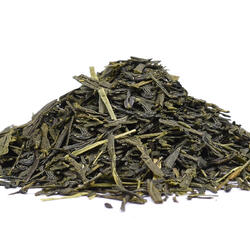
Japan Sencha Ityouka – Organic Green Tea


Organic Sencha Ityouka will win you over gradually. But that will make your bond that much stronger. It comes from the Japanese Shizuoka prefecture, from the Haruno area, where tea grows in pure, barely civilized nature at altitudes of 500m. It combines traditional Fujimidori, Surugawase, and Zairai varieties and has a deep, layered, cultured flavor thanks to the atypically short withering process. If you prefer balance to unintentional freshness, this tea is for you.
Shipping methods
| Nizozemská pošta HD - zásilkovna | Delivered by 16. 10. | 1,00 € |
|---|---|---|
 DHL DHL |
Delivered by 16. 10. | 4,90 € |


Ingredients
100 % Organic Japan Sencha Ityouka green teaBrew & Taste
After brewing, your teapot will host a vibrant yellow, slightly sparkly tea with a pure, clear character. Organic Japan Sencha Ityouka is structured, yet harmonious. In the first wave, you'll be met with a mild, cultured astringency which quickly gives way to a full note of umami. The aftertaste is lasting, smooth, with a hint of sweetness – not heavy, but elegant and pure. If you have previous knowledge of lowland senchas with a sharper green flavor, you'll feel the difference immediately.
Origins

You can easily tell where this sencha comes from by its name. Sencha Ityouka is grown in the western part of Shizuoka Prefecture, in the mountainous region of Haruno (Isagawa) – a landscape where farmers cultivate tea plants (Camellia sinensis) in the valleys between forests and hillsides. This is precisely one of the reasons why organic farming thrives here: the plantations are often naturally isolated, situated away from intensive agricultural activity. Some tea gardens strongly emphasize their isolation, as it prevents the unwanted transfer of plants from the surrounding area. In the tea world, Isagawa is also known by the nickname "organic valley".
Haruno is part of the broader Tenryu–Mori–Haruno mountain range. Tea plants here typically grow in steeper, forested valleys with limited sunlight. Harvesting therefore tends to be later than in the lowlands, but the slower leaf growth is rewarded with a more delicate, complex profile – with more umami, less harsh astringency, and a longer aftertaste.
Altitudes in Isagawa typically range from about 300 to 540 meters; cooler nights and more pronounced daily temperature fluctuations thus slow the growth of the plants and naturally promote the production of amino acids (including L-theanine), which are responsible for the rounded umami sensation and the gently sweet finish.
The tea’s character is also shaped by the varied microclimate and mineral-rich volcanic soils. These elements lend the tea purity, a light minerality, and freshness.
And one more detail worth mentioning about Ityouka: It involves a processing method based on a combination of three traditional varieties (Fujimidori, Surugawase, and Zairai) plus a short withering of the leaves. This is quite an unusual step for sencha. Here, however, it makes perfect sense. The result is a more elegant blend of astringency, umami, and sweetness. The flavor comes across as refined rather than sharp.
Benefits of ingredients:
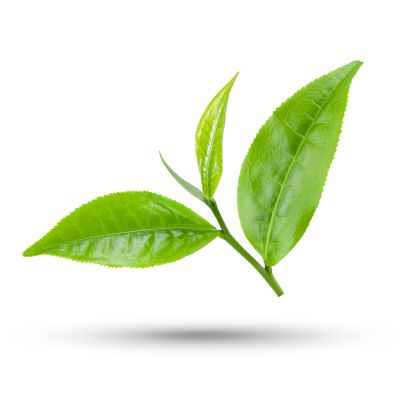

Tea packaging preview
We pack our teas in a strong, zip-lock aluminum packet which allows you to easily re-seal its contents. This container protects the quality of the tea against humidity, light or foreign odors, all of which could noticeably affect the quality of the brew.
Preparation
 70-80 °C
|
 2-3 minutes
|
 1 teaspoon for 150-200 ml
|
Instructions for preparation
- Pour 150-200 ml of boiled water (70-80°C) per 1 teaspoon of tea.
- When brewing in a teapot, add 1 extra teaspoon.
- Covered, steep for 2-3 minutes, then remove the strainer.


Are you looking for inspiration? Other customers have bought this:
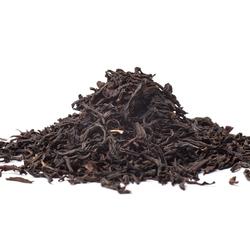
Assam TGFOP1 Second Flush Monipur – Black Tea
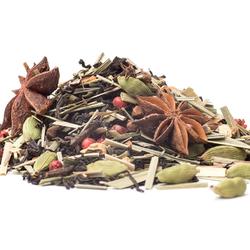
Masala Chai – Black Tea