Japan Kagoshima Kabusecha – Organic Green Tea


The interplay of sun and shade. This tea has been shaded with kabuse mats for several days before harvesting to accumulate as many sweet and delicate buttery notes in their leaves as possible. Japanese tea lovers know that it is the subtle use of light and shade when growing tea plants that can make all the difference and this premium kabusecha is a shining example.
Shipping methods
| Nizozemská pošta HD - zásilkovna | Delivered by 22. 10. | 1,00 € |
|---|---|---|
 DHL DHL |
Delivered by 22. 10. | 4,90 € |


Ingredients
100 % Green tea JAPAN KAGOSHIMA KABUSECHA BIOBrew & Taste
When you brew Japan Kabusecha Premium, you get a yellow to golden-yellow drink with a harmonious aroma and an extremely elegant taste. It is pleasantly sweet and light, without any pronounced astringency, yet still refreshing. With careful preparation, you can achieve rare notes of the fifth umami flavor.
Origins

Mount Kirishima is a volcanic mountain in Kagoshima Prefecture. Its highest peak, Karakunidake (1,700m), means something like "Korea Peak", because from it, under the right conditions, one can see all the way to the Korean Peninsula. The volcanic soil is rich in minerals and its composition contributes significantly to the unique flavor of the teas grown there.
Japan Organic Kabusecha Premium grew in a hilly landscape, in volcanic soil rich in minerals, on plantations often shrouded in fog and surrounded by wildlife. The farmers cared for the Chinese tea trees (Camellia sinensis) in an organic farming regime, so they did not use industrially produced fertilizers or products to protect the shrubs from pests. This tea definitely deserves the organic label.
In the Kagoshima region of Japan, tea is harvested four times a year if the weather is good. But before the harvest takes place, the plantations are shaded for at least 20 days with special kabuse mats. This allows the leaves to produce more chlorophyll, which is reflected in the tea's pleasant sweetness. The plucked tea leaves are left to wilt in direct sunlight for several hours before being steamed repeatedly and briefly. This stops the oxidation of enzymes that would cause the tea to brown and change the aroma and taste. The harvest thus processed then goes to the drying rooms where it is long and at low temperatures to get rid of excess moisture. Finally, the tea needs to be sorted and packaged.
The Kagoshima Prefectural Government made a major effort to improve the quality of exported tea at the end of the last century. Thanks to the work of the Tea Experiment Station and the Tea Growers Association, today Kagoshima teas are truly exclusive. However, it should also be added that most Japanese green tea growers are in their 60s and the number of people who would like to work on tea farms is declining. Let us hope that the future generation will take up the legacy of the ancestors and run the tea gardens with the same passion.
Benefits of ingredients:
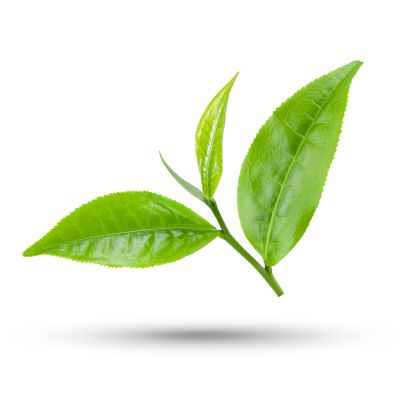

Tea packaging preview
We pack our teas in a strong, zip-lock aluminum packet which allows you to easily re-seal its contents. This container protects the quality of the tea against humidity, light or foreign odors, all of which could noticeably affect the quality of the brew.
Preparation
 70 °C
70 °C
|
 2-3 minutes
|
 1 teaspoon for 150-200 ml
|
Instructions for preparation
Pour 150-200ml of boiled water (70°C) per 1 teaspoon of tea.
When brewing in a teapot add 1 extra teaspoon.
Covered, let steep for 2-3 minutes, then remove the strainer.
Using water above 70°C may negatively impact taste and aroma.
Kabusecha can be steeped up to 3 times.


Are you looking for inspiration? Other customers have bought this:
Child's Dream – Fruit Infusion