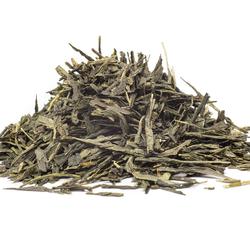
Japan Sencha Shizuoka – Organic Green Tea


Two words: very enjoyable. Japanese sencha from the traditional tea prefecture will delight experienced tea drinkers and pleasantly surprise those who are new to green tea. The floral, mild infusion sweetens towards the end and brings a refreshment you will appreciate anytime and anywhere. The Japanese are known to carry their tea with them all day long. Try it too. Organic Japan Sencha Shizuoka will make a nice companion for you.
Shipping methods
| Nizozemská pošta HD - zásilkovna | Delivered by 22. 10. | 1,00 € |
|---|---|---|
 DHL DHL |
Delivered by 22. 10. | 4,90 € |


Ingredients
100 % JAPAN SENCHA SHIZUOKA BIOBrew & Taste
Japan Sencha Shizuoka gives the infusion a golden green color and a lovely, floral aroma. When tasted, it impresses with its lightness, traces of flowers and slight sweetness. As it is a classic green tea, you can also expect a typical astringency. In this case, however, it seems to be subdued, beautifully accentuating the character of the tea.
Origins

To introduce the Shizuoka Prefecture from which we brought this tea, we can start by, for example, consulting the Japan Guide. It says that Shizuoka-ken, sometimes referred to as the Japanese Riviera, is located along the Pacific coast in the south of the Chubu region. Some of the more notable places include Mount Fuji, the Izu Peninsula, Shizuoka (the prefecture's capital) and then, for example, Lake Hamanako or – and this is what interests us most – Kakegawa, the center of tea production. It lies less than two hours from Tokyo, on the Tokaido Shinkansen route, and its tea plantations ripple far in all directions.
Tea is an important part of the economy for the whole prefecture, as it is for Japan. Hundreds of thousands of families depend on its cultivation, production, processing and sale. In fact, in Shizuoka Prefecture alone, there are 21,000 hectares of tea plantations, which is over 40% of all plantations in the country. Annually, Shizuoka produces around 40,000 tonnes of green tea, with the help of 600 processing plants. It's also interesting to note that other tea growing regions benefit from the expertise of local masters – a total of 70% of the tea leaves harvested in Japan are processed in Shizuoka.
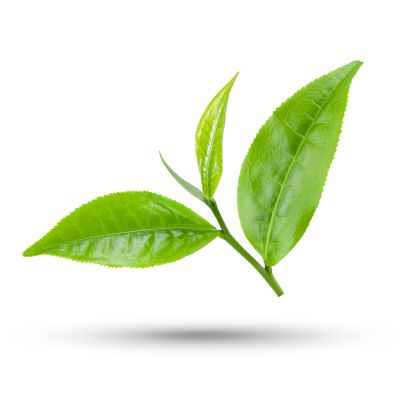
Organic sencha is grown at an altitude of over 1,500m, which gives the tea both frequent rainfall and a favorable average temperature. The ideal range is 14-16°C in summer and no less than -6°C in winter. Chinese tea plants (Camellia sinensis) are grown from cuttings and are transplanted to tea plantations by workers 2 years after rooting. It usually takes 4-8 years for the plants to mature. During this time, the tea plants need to be gently pruned to ensure that they are evenly covered with leaves. It is estimated that peasants in Shizuoka Prefecture have to yearly devote about 120 hours of labor per 1/10 of a hectare.
The harvest of tea leaves for sencha usually takes place first, before other teas. This harvest is called ichancha (first tea), and in Shizuoka Prefecture it is harvested in April and May. After hibernation, the leaves are full of nutrients and contain 3 times more L-theanine, the source of the tea's sweetness, than those from the next harvest (nibancha). The processing of sencha can be divided into 10 points: hand picking, wilting, steaming (to stop the oxidation and fermentation action of the enzymes in the leaves), cooling, squeezing, first rolling, rolling and shaping, second rolling, final rolling and drying.
Benefits of ingredients:

Tea packaging preview
We pack our teas in a strong, zip-lock aluminum packet which allows you to easily re-seal its contents. This container protects the quality of the tea against humidity, light or foreign odors, all of which could noticeably affect the quality of the brew.
Preparation
 70-80 °C
|
 2-3 minutes
|
 1 teaspoon for 150-200 ml
|
Instructions for preparation
Pour 150-200ml of boiled water (70-80°C) per 1 teaspoon of tea.
When brewing in a teapot add 1 extra teaspoon.
Covered, let steep for 2-3 minutes, then remove the strainer.


Are you looking for inspiration? Other customers have bought this:
Japan Sencha Makoto – Green Tea
Japan Bancha Premium – Green Tea