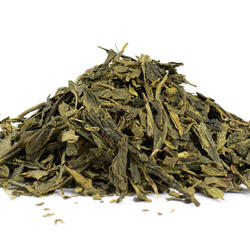
Organic Sencha (Japan Style) – Green Tea


This is what Japanese tradition looks like outside of Japan! This sencha was grown in the Chinese area of Huang Shan, but it was processed using the signature Japanese method. This makes it light, refreshing, and extremely pleasant to drink. If you're looking for a tea that won't keep you down, but will instead accompany you for the entire day, you're on the right track.
Shipping methods
| Nizozemská pošta HD - zásilkovna | Delivered by 9. 10. | 1,00 € |
|---|---|---|
 DHL DHL |
Delivered by 9. 10. | 4,90 € |


Ingredients
100 % Green tea Bio SenchaBrew & Taste
The infusion is greenish to golden hue. Its taste differs depending on the method of preparation – if you decide for lower water temperature, the mild sweetness and smooth character will be more noticeable. On the other hand, if you use hotter water, the mild astringency and green notes will be more pronounced. There's also the signature grassiness of sencha, this time combined with a smooth body and slightly spicy finish. The aroma feels balanced and pure. The overall impression is refreshing, light, and naturally harmonious.
Origins

Organic Sencha (Japan style) comes from the Huang Shan region of China, one of the most renowned tea-growing regions in the world. The landscape of the Yellow Mountains is famous not only for its dramatic scenery but also for its unique microclimate. This includes frequent fog, high altitude, and fluctuating temperatures. Thanks to these conditions, the leaves of the tea plant (Camellia sinensis) acquire a rich aroma and a delicate, layered flavor.
The tea plants are cultivated by farmers under a strictly controlled organic agriculture. This means that throughout the entire process – from planting to harvest – they avoid using any chemical fertilizers or synthetic pesticides. The plants grow at a natural pace, which makes them able to better reflect the character of the surrounding area. The result is a tea with a pure, authentic flavor profile.
The key difference from traditional Chinese green teas lies in the processing stage. While most Chinese green teas are pan-fired, producers here draw inspiration from the Japanese steaming method. Freshly harvested leaves undergo a brief steaming process that lasts about 15 to 20 seconds, which stops enzymatic oxidation while preserving the tea’s natural color and freshness. This is followed by rolling, during which the leaves take on their characteristic slender, needle-like shape, and then gentle drying.
It is precisely this production process that explains why the tea is labeled ""Japan style"". It's not about geographical origin, but about the technology that fundamentally influences the resulting character of the tea. Compared to classic Chinese green teas, Organic Sencha is fresher, more distinctly grassy, and closer to the flavor profile of Japanese senchas. At the same time, however, it retains the gentle roundness typical of Chinese teas.
Benefits of ingredients:
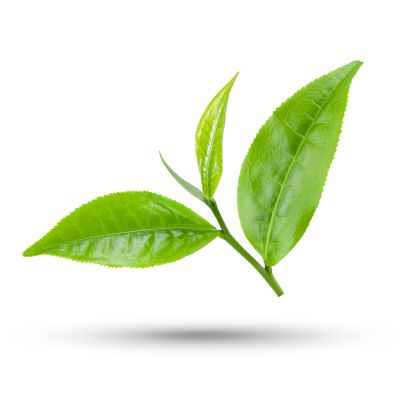

Tea packaging preview
We pack our teas in a strong, zip-lock aluminum packet which allows you to easily re-seal its contents. This container protects the quality of the tea against humidity, light or foreign odors, all of which could noticeably affect the quality of the brew.
Preparation
 70-80 °C
|
 2-3 minutes
|
 1 teaspoon for 150-200 ml
|
Instructions for preparation
- Pour 150-200 ml of boiled water (70-80°C) per 1 teaspoon of tea.
- When brewing in a teapot, add 1 extra teaspoon.
- Covered, steep for 2-3 minutes, then remove the strainer.


Most popular accessories for this product
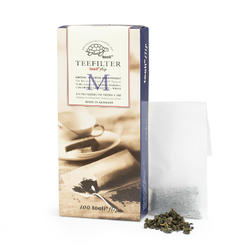
Paper Filter M for Cups & Teapots
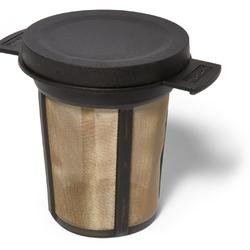
Tea Infuser – Medium
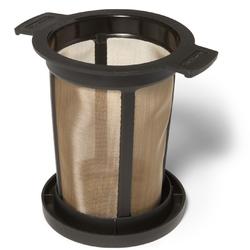
Tea Infuser – Large
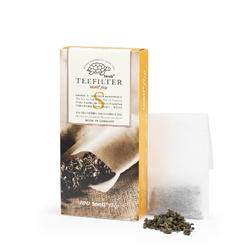
Paper Filter – Small, 100pcs
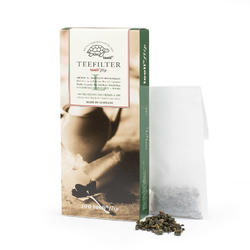
Paper Filter – Large, 100pcs

Tea Thermometer + Wooden Case
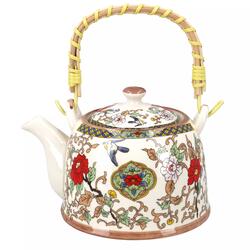
Oriental Teapot with Strainer – 900ml
Are you looking for inspiration? Other customers have bought this:
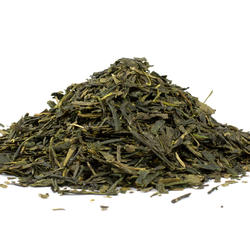
Japan Bancha Premium – Green Tea
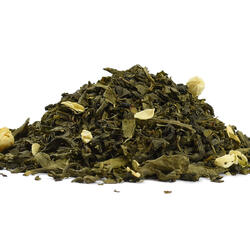
Jasmine – Green Tea