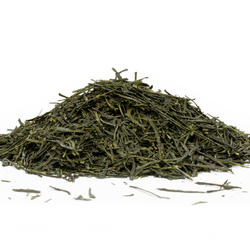
Japan Sencha Fukamushi-Cha – Organic Green Tea


Forget everything you know about Japanese green teas. You think sencha has to be astringent with grassy or even fishy overtones? Then you haven't tasted this steamed sencha fukamushi-cha, which is more like gyukuro or kabusecha. The leaves from tea plants grown under organic farming will leave no doubt that you are sipping a truly exceptional tea. The farmers of Kagoshima Prefecture simply have an eye for green tea.
Shipping methods
| Nizozemská pošta HD - zásilkovna | Delivered by 22. 10. | 1,00 € |
|---|---|---|
 DHL DHL |
Delivered by 22. 10. | 4,90 € |


Ingredients
100 % Japan Sencha Fukamushi-cha BIOBrew & Taste
The vibrant greenish infusion has very intense notes and thanks to the so-called deep brew it is not the least bit bitter. Instead, you can enjoy a pleasant sweetness. The umami flavor is really strong with a long aftertaste.
Origins

The Kagoshima region is very well known to tea drinkers. It is located on the southern tip of Kyushu Island and includes 200 smaller or larger islands. After Shizuoka, Kagoshima is the 2nd largest producer of Japanese tea, accounting for about 30% of the local harvest. The growing area is famous for its Kagoshima Green Tea brand, which has been a guarantee of high quality since 1992.
If you are interested in the exact location of this tea, let us add that it is around the town of Kirishima, an important commercial crossroads below Mount Kirishima, a complex of active volcanoes, the highest of which, Karakunidake, reaches 1,700m. The tea plantations around Kirishima benefit from the very fertile volcanic soil, clean water and air. Thanks to the hills, they are often shrouded in mist. The climate is described as humid subtropical, with hot summers and mild winters. The average annual temperature in Kirishima is around 15⁰C, with a high of about 25⁰C in August and about 5⁰C in January.
Now all that remains to be said is more about the fukamushi method that makes this sencha so attractive. Sencha as we know it in Japan is harvested early in the morning. Then the workers let the leaves wilt and steam them repeatedly, very briefly (about 30 seconds). This stops the oxidation of the enzymes and "locks in" the aromatics so important to the quality of the resulting beverage.
Fukamuschi sencha is shaded for a few days before harvesting to allow the leaves to accumulate more of the amino acids behind its sweet and delicate flavor. After plucking, it is also left in the sun for a few hours to wilt, but workers expose it to hot steam for 90-120 seconds. This is done repeatedly for about a minute at a time.
Tea processed in this way is on the one hand very deep and complex in flavor, but on the other hand it is fragile, so it may appear lesser in quality. But the opposite is true, and connoisseurs know well that fragments of tea leaves are a sign of exceptional quality. After all, you can easily see for yourself.
Benefits of ingredients:

Tea packaging preview
We pack our teas in a strong, zip-lock aluminum packet which allows you to easily re-seal its contents. This container protects the quality of the tea against humidity, light or foreign odors, all of which could noticeably affect the quality of the brew.
Preparation
 90 °C
90 °C
|
 1 minute
|
 3g per 115 ml
|
Instructions for preparation
First infusion:
Pour 115ml of boiled water (90°C) per 3g of tea.
Covered, steep for 1 minute, then remove the strainer.
Second infusion:
Pour required amount of boiled water (95°C) over tea leaves.
Steep for 1 minute.
Third infusion:
Pour required amount of boiled water (95°C) over tea leaves.
Steep for 2 minutes.


Are you looking for inspiration? Other customers have bought this:
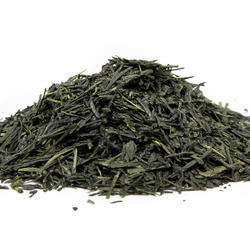
Japan Kagoshima Kabusecha – Organic Green Tea
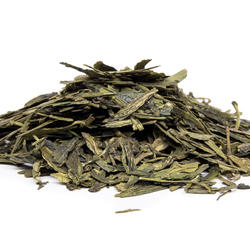
China Lung Ching – Organic Green Tea