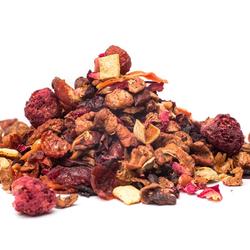
Ice Tea Creamy Coconut – Fruit Infusion

Summer exotica not to be missed out on. This fruity ice tea combines the sweetness of mango and pineapple with the slightly creamy coconut and the citrusy freshness of lemongrass. What's more, there's a smooth hint of vanilla, making the tea taste velvety, round, and surprisingly elegant. Make it on ice, with a slice of lemon, or just as is. If you feel like having a tropical treat, the choice is obvious.
Shipping methods
| Nizozemská pošta HD - zásilkovna | Delivered by 22. 10. | 1,00 € |
|---|---|---|
 DHL DHL |
Delivered by 22. 10. | 4,90 € |


Ingredients
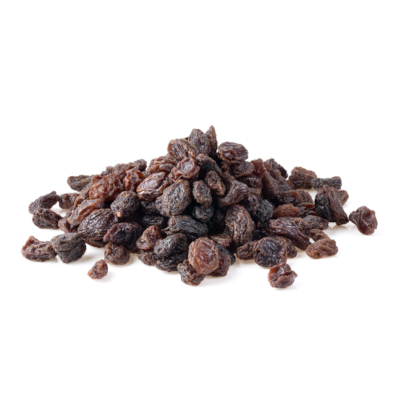
Apple, Raisins, Pineapple granulate (pineapple, sugar, antioxidant: citric acid), Mango (mango, sugar, citric acid), Lemongrass, 3 % Roasted coconut shavings, Malic acid, AromaBrew & Taste
After brewing Ice Tea Creamy Coconut, you'll notice an enticing aroma reminiscent of a coconut dessert with a drop of vanilla and exotic fruit. The infusion is refreshing, slightly sweet, and extremely harmonious. Apples and raisins add depth and natural sweetness while mango and pineapple bring in tropical juiciness. Lemongrass makes the impression lighter and the finish leaves you with a subtle trace of coconut and vanilla.
While this tea is best served on ice, it's also great as a regular hot tea.
Origins
The charm of the Ice Tea Creamy Coconut fruit infusion lies in the contrast between its smoothness and freshness. Each ingredient brings something unique to the mix. Mango adds sweetness and velvety texture, pineapple brings juiciness, and coconut contributes a soft, almost dessert-like character. Together, they create an iced tea that evokes a seaside vacation or warm summer evenings in the garden.
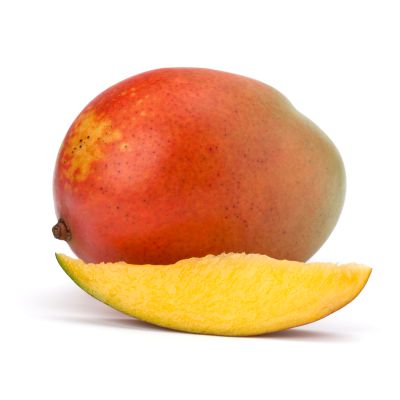
One of the most distinctive ingredients in this blend is mango, the fruit of the Indian mango tree (Mangifera indica). This massive tropical tree can grow up to 30 meters tall and is recognizable by its dense crown of dark green, glossy leaves. Mango fruits are oval-shaped, have smooth skin, and are yellow, orange, or reddish in color, depending on the variety. The flesh is typically deep yellow to orange, very juicy, and sweet. Mango trees originate from India and Southeast Asia; today, however, they're cultivated in virtually all tropical regions of the world, from Thailand through Mexico to Brazil.
Mangoes contain, for example:
- vitamins A, C, and E,
- carotenoids,
- polyphenols,
- natural fruit sugars,
- fiber.
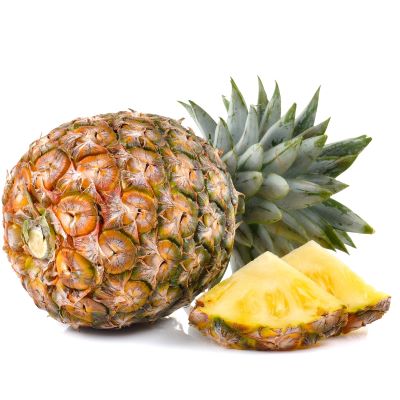
The second key ingredient is pineapple, the fruit of the pineapple plant (Ananas comosus). Unlike most tropical fruits, it doesn't grow on a tree, but instead close to the ground. The plant has long, sturdy leaves arranged in a rosette, and the distinctive, crown-like golden fruit grows and ripens in the center. Pineapple originates from South America, primarily from the region of present-day Brazil and Paraguay. Today, it's one of the most widely cultivated tropical fruits, with large plantations found, for example, in Costa Rica, the Philippines, and Thailand.
Pineapple is prized for its content of:
- vitamin C,
- bromelain,
- organic acids,
- manganese,
- and antioxidants.
The creamy texture of the mixture comes from coconut, specifically toasted coconut flakes. The coconut palm (Cocos nucifera) is an icon of tropical coastlines. It can grow up to 30 meters tall, and its long leaves can measure several meters. We are all familiar with the fruit of the coconut palm – beneath its green or brown husk lies a hard shell, and inside, white flesh and coconut water. Coconut palms thrive mainly in the warm coastal regions of Southeast Asia, India, Sri Lanka, and the Caribbean.
Coconut is rich in:
- healthy fats (MCTs),
- minerals, especially potassium and magnesium,
- fiber,
- antioxidants,
- natural aromatic compounds.
Fruit Ice Tea Instructions:
- Prepare the tea according to the instructions below, and if you’re sweetening it, stir in honey or cane sugar while the drink is still warm – it helps the sweetener dissolve.
- Add mint leaves and let it cool.
- Prepare a large pitcher, fill it with ice cubes, add a few tablespoons of lemon juice, and toss in slices of fresh fruit.
- Finally, pour your tea over ice.
Benefits of ingredients:


Tea packaging preview
We pack our teas in a strong, zip-lock aluminum packet which allows you to easily re-seal its contents. This container protects the quality of the tea against humidity, light or foreign odors, all of which could noticeably affect the quality of the brew.
Preparation
 100 °C
|
 8-10 minutes
|
 1 teaspoon for 150-200 ml
|
Instructions for preparation
- Pour 150-200 ml of boiled water (100°C) per 1 teaspoon of tea.
- When brewing in a teapot, add 1 extra teaspoon.
- Covered, steep for 8-10 minutes, then remove the strainer.


Are you looking for inspiration? Other customers have bought this:
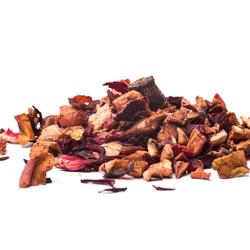
Peach-Apricot Magic – Fruit Infusion
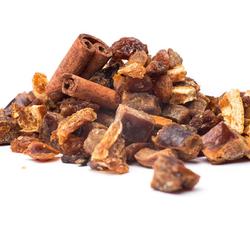
Vanilla Plum – Fruit Infusion