Why our products?
- Free shipping on orders over 49 €
- Satisfied customers
- Delivery date is specified within the product description
Benefits of rooibos
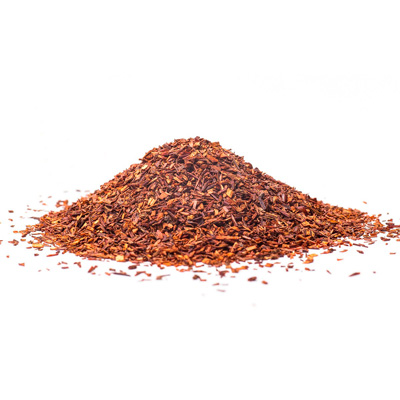
The Japanese call rooibos "longevity tea". And the people of the Land of the Rising Sun, with an average life expectancy of 84 years, know what they are talking about, although rooibos is neither their original drink nor, in fact, their tea.
The only natural home of rooibos is the Cedarberg region of South Africa, near Cape Town. Here, its magical powers were harnessed by the Kojsan tribe. However, with their demise, the secret of rooibos was forgotten. Fortunately, not for long. It was rediscovered by botanists in the 18th century, and its fame soon spread around the world.
At first glance, the rooibos is an ordinary shrub with long, slender branches thickly covered with knotty, brightly coloured leaves.
The green rooibos has similar skills to its red brother. The main difference between these siblings is in the way they are processed. While the red rooibos gets its colour from the release of enzymes during fermentation (meaning slow ''fermentation'') in the sun and air, the green variety skips this stage. The leaves, collected early in the morning, are chopped and quickly heat-treated - dried. This way, they retain a much higher antioxidant content and a fresh colour. The difference, however, is in price and taste. The green version is more expensive and tastes more like classic green tea, although the sweetness so typical of rooibos is also noticeable here.
Rooibos is great for all ages, including the very young. As a decaffeinated beverage, it is suitable for all-day sipping and tastes great in a summer smoothie with lots of fruit.