Why our products?
- Free shipping on orders over 49 €
- Satisfied customers
- Delivery date is specified within the product description
Benefits of black tea
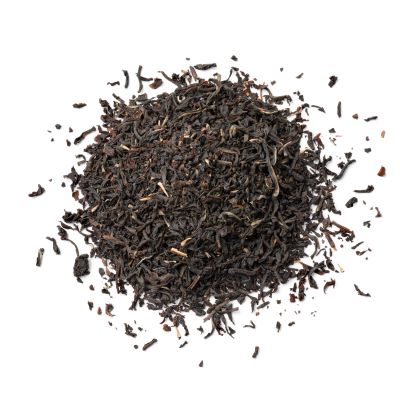
It is not 5:00 in the afternoon yet? Never mind, it is always a good time for black tea. And it does not matter if you love it plain, with milk like the Indians or the English, or with spicy spices like in China.
Like all other teas, black tea comes from a plant called Camellia sinensis. The original environment was China, but it quickly spread to other parts of the world - India, Ceylon and Turkey, for instance.
The main difference between black tea and its other siblings, white and green, is in the processing of the leaves. Only the best quality ones are carefully and preferably hand-harvested, but only in the case of black tea are they fully fermented (oxidised) during drying. This results in a darkening of the colour of the leaves and a markedly different colour, aroma and taste of the resulting infusion.
The history of black tea is surprisingly not that long. The first mention comes from China at the end of the 16th century. Legend has it that an army passing through the Chinese province of Fujian was behind the creation of black tea. The soldiers occupied a green tea and oolong factory and left the entire supply of tea leaves to dry in the sun during their stay. Afterwards, when the army left the factory and operations were about to restart, the workers were sorry to throw away the tea stock. So they tried to taste the dark and completely dried leaves, and that is how the black tea was made.
Nowadays, there are many varieties of this beverage. They differ in origin (Assam, or Darjeeling from India, or typical Ceylonese and Turkish black tea) or in flavour. Here, the popular Earl Grey enriched with bergamot is a model representative. Either way, the black version is the most popular tea, with a market share of up to 75 %. And which do you prefer?