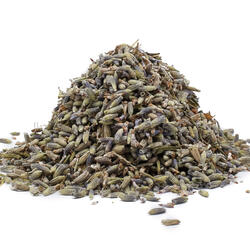
Hawthorn (Crataegus Laevigata) – Herb


You probably know what hawthorn looks and smells like. Its white flowers and red berries are unmissable in the wild. It's a plant shrouded in legends and myths, revered by the Celts, Romans and ancient healers around the world. Leaves and flowers of hawthorn support normal functioning of the nervous and cardiovascular systems and have relaxing properties.
Shipping methods
| Nizozemská pošta HD - zásilkovna | Delivered by 22. 10. | 1,00 € |
|---|---|---|
 DHL DHL |
Delivered by 22. 10. | 4,90 € |


Ingredients
100 % HawthornBrew & Taste
Hawthorn tea has a light yellow color with a pleasant aroma and slightly bitter taste. Prefer sweet teas, you can improve it with a spoon of honey.
Origins
English hawthorn, Crataegus laevigata, or mayflower is an herb native to the Great Britain. It used to be planted around homes to ward off evil spirits, tied in brides' bouquets for protection, or dried into herbal teas for its health benefits. Its heavy and strong wood was used to make hoe or axe handles.
Hawthorn is a woody plant that looks like a shrub or a smaller tree. It grows to a maximum of 12m, but more often looks like an thicket of about 3m. The green, egg-shaped leaves with scalloped edges fall off in autumn. You can safely identify hawthorn by its thorny twigs, myriad of white flowers and red berries. In the spring, the flowers give off a very strong scent – whether it's pleasant or not is up to personal perception. They are five-petalled and resemble pear blossoms. In the autumn, it bears tiny, red pomes.
Hawthorn can be found throughout temperate Europe, North and Central America, as well as China and Asia. They thrive along watercourses and forest edges. Their cultivars are planted as hedges in gardens. However, unlike English hawthorn, the leaves, flowers or fruit of these ornamental shrubs do not have any health benefits.
Since the ancient times, people have sought this particular variety out to collect flowers and leaves rich in flavonoids, triterpenic acids, aminopurines, saponins, tannins and carotenes as well as vitamins C and B.
Benefits of ingredients:
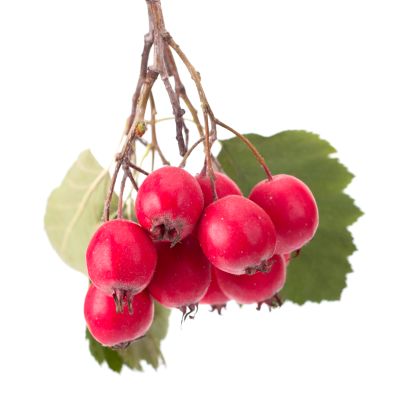

Herb packaging preview
We pack our herbs in a strong, zip-lock aluminum packet which allows you to easily re-seal its contents. Thanks to the hermetic seal, the herbs are protected against humidity, light and foreign odors, all of which could noticeably affect the quality of the brew and the herb itself.
Preparation
 100 °C
|
 5-10 minutes
|
 1 teaspoon for 200 ml
|
Instructions for preparation
Pour 200ml of boiled water (100°C) per 1 teaspoon of tea.
Steep for 5-10 minutes, then remove the strainer.
Do not exceed recommended daily dosage of 1000mg (approx. 1 teaspoon).


Are you looking for inspiration? Other customers have bought this:
Rosehip Husks
Yarrow Bloom (Achillea Millefolium) – Herb