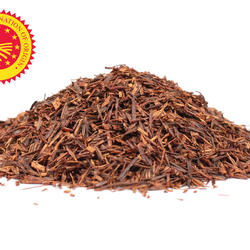
Green Rooibos


Trust us, green rooibos is the delicious, fragrant and healthier sibling of red rooibos. Unlike the latter, it's no fermented, which means that antioxidant content is higher. The mental and physical health benefits of green rooibos are undeniable – so we brought it to you straight from the wilderness of the South African Cederberg.
Shipping methods
| Nizozemská pošta HD - zásilkovna | Delivered by 14. 10. | 1,00 € |
|---|---|---|
 DHL DHL |
Delivered by 14. 10. | 4,90 € |


Ingredients
100 % Green RooibosBrew & Taste
Because this rooibos is unfermented, its infusion does not have the typical brownish-red color but instead a beautiful yellow color. It also differs in taste and aroma. Green Rooibos smells natural, herbal, with a slight grassiness, and it tastes natural, sweetly herbal, soft and delicate.
Green Rooibos is naturally caffeine-free, so it is excellent for supplementing the drinking regime of small children, pregnant and nursing women and people in recovery. Try Green Rooibos as an iced tea too!
Origins

The green version of rooibos is much rarer than the red, yet it's been growing in popularity world-wide. Green rooibos is made from Cape tea bushes, which grow endemically in the Cederberg Mountains of South Africa. They are about 100cm tall herbs of the bean family, characterized by long twigs and green, needle-like leaves. They are very demanding in terms of air humidity, soil conditions, sunlight and shade, which is why it is almost impossible to grow them anywhere else. Surprisingly, these plants developed an extraordinary ability to survive the frequent fires that strike South Africa. If scorched, the plants recover very quickly, and if their seeds are trapped in the soil, they will last up to 6 years until conditions are favorable for germination. Tea plants are harvested once a year, in early autumn. In the early morning, whole branches are cut back to about 35cm in length. In the case of green rooibos, they are quickly chopped into small pieces and dried to prevent oxidation and to preserve all the valuable properties of the natural rooibos. Before the tea is packed, it undergoes a special cooling process.
The history of rooibos dates back to the 17th century, when the Cederberg region, about 250km from Cape Town, was first visited by European botanists. At that time, they noted that there were many beneficial plants with medicinal properties in the area. In 1722, the Swedish naturalist Carl Thunberg noted that the local native tribes brewed tea from plants he described as redbush or rooibos. The taste and effects of the tea eventually captivated Dutch settlers who drank it as a substitute for black tea, which South Africa had a very limited supply of. In 1904, Benjamin Ginsberg, a Russian settler, became enthusiastic about rooibos and in 1930 persuaded Dr. Le Fras Nortier, a local doctor and scholar, to try to establish the first rooibos plantation. It wasn't an easy road, but thanks to the local people who knew how to obtain rooibos seeds which were spread by ants, rooibos spread in the Cederberg area and eventually earned a place in the world tea market. However, in 2008, a trademark for rooibos was still pending, registered in the USA by a man named Burke. The Parliament in South Africa passed an intellectual property law to restrict the use of the name Rooibos exclusively to tea grown in the Cederberg region.
Benefits of ingredients:
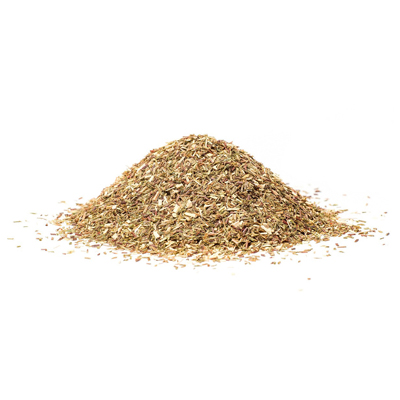

Tea packaging preview
We pack our teas in a strong, zip-lock aluminum packet which allows you to easily re-seal its contents. This container protects the quality of the tea against humidity, light or foreign odors, all of which could noticeably affect the quality of the brew.
Preparation
 90 °C
90 °C
|
 8 minutes
|
 1 teaspoon for 150-200 ml
|
Instructions for preparation
Pour 150-200ml of boiled water (90°C) per 1 teaspoon of tea.
When brewing in a teapot add 1 extra teaspoon.
Covered, let steep for 8 minutes, then remove the strainer.


Most popular accessories for this product
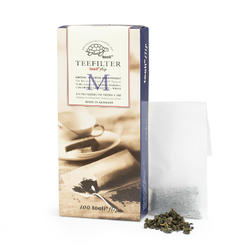
Paper Filter M for Cups & Teapots
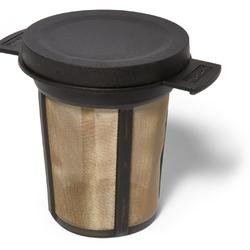
Tea Infuser – Medium
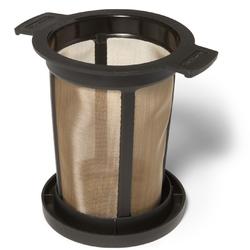
Tea Infuser – Large
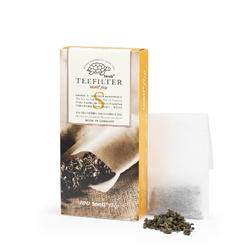
Paper Filter – Small, 100pcs
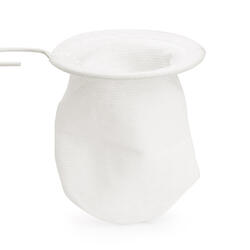
Cotton infuser M - 1 piece
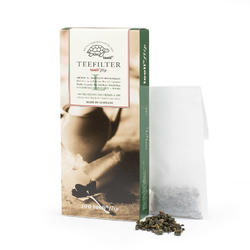
Paper Filter – Large, 100pcs
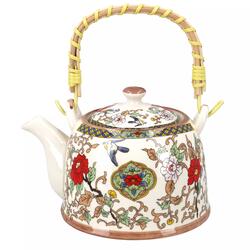
Oriental Teapot with Strainer – 900ml
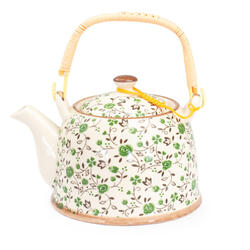
Floral Teapot with Strainer II – 900ml
Are you looking for inspiration? Other customers have bought this:
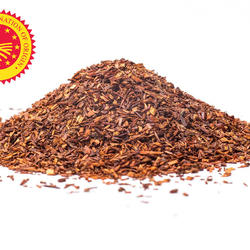
Rooibos
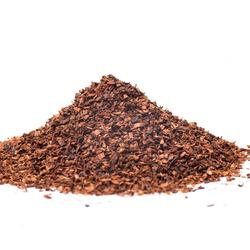
Organic Honeybush