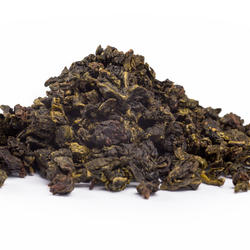
Georgian Oolong Guria


This fantastic tea, Georgian Guria Oolong, has grown amid fragrant forests, close to blooming flowers and mineral springs. It carries sweet honey, fruit, and herbal aroma, and a silky flavor with a hint of spice, and a touch of fresh berries. Once a global powerhouse in tea production, Georgia is reclaiming its position, rebuilding traditional plantations, educating farmers, and safeguarding natural riches. This tea stands as evidence of their gradual success.
Shipping methods
| Nizozemská pošta HD - zásilkovna | Delivered by 22. 10. | 1,00 € |
|---|---|---|
 DHL DHL |
Delivered by 22. 10. | 4,90 € |


Ingredients
100 % Georgian oolong GuriaBrew & Taste
Georgian Guria Oolong has a honey-colored infusion. The taste can be described as smooth, buttery, sour after fruit, and peppery. The tea smells sweet and floral. This oolong is one of the most delicious teas in terms of taste and is best enjoyed without any further flavoring. We recommend trying the Georgian Guria oolong as both hot and iced tea.
Origins

Georgia (known locally as Sakartvelo) was once a global tea power. It was the 4th largest tea producer in the world, and there was not a household that did not know Georgian tea. This changed after the collapse of the USSR, which brought difficulties in many sectors, including the tea industry. However, Georgian farmers are returning to a strong tradition, restoring dilapidated plantations and growing new tea trees under an organic farming regime. And that is exactly what they are doing in the Guria region.
It is an area in western Georgia brimming with breathtaking scenery. The climate is humid and subtropical, and summers and winters are mild. Guria is a frequent destination for tourists who come to admire its forests, mineral springs, and sandy beaches, as well as alpine meadows and high mountains. In an area of 2,000km2, there are both plains, the slopes of the Meskheti Mountains, and the Black Sea coast. It has a unique climate that combines warm sea air and cool mountain air and an average annual temperature of 12-14⁰C. This suits the tea plants very well.
Another special feature of the Guria region is that it is home to the tea plant Camellia sinensis Kolkheti. This variety takes its name from the Kolkheti National Park, which covers a large part of the region. These are shrubs with special genes that experts say have great breeding potential. They are planted under the beautiful paulownia trees, which grow up to 20m. As a result, the tea trees grow sheltered from the wind and the harsh sun while having plenty of moisture and shade. To add to the beauty and fragrance, carpets of blue forget-me-nots cover the ground under the paulownias. Guria is the only Georgian region with such a stunning combination of tea trees, paulownias, and flowers, which the locals call Kesane.
The tea leaves need to be harvested under special conditions, when the humidity and temperature are ideal. Workers let them wilt briefly and then toss them several times in large baskets. This disrupts their cellular structure and triggers the natural oxidation of the enzymes. It is known as shaking out the greens, which they finish by heating the tea rapidly.
An interesting fact for the conclusion – the leaves of this particular variety of Camellia sinensis Kolkheti are being experimented with by, for instance, Scottish gin producers. A special edition distilled with 12 plants, including juniper, coriander, and oranges, was enriched with black tea from this variety. It has given the gin a light honey and apple aroma.
Benefits of ingredients:


Tea packaging preview
We pack our teas in a strong, zip-lock aluminum packet which allows you to easily re-seal its contents. This container protects the quality of the tea against humidity, light or foreign odors, all of which could noticeably affect the quality of the brew.
Preparation
 95 °C
95 °C
|
 3-5 minutes
|
 1 teaspoon for 150-200 ml
|
Instructions for preparation
Pour 150-200ml of boiled water (95°C) per 1 teaspoon of tea.
When brewing in a teapot add 1 extra teaspoon.
Covered, let steep for 3-5 minutes, then remove the strainer.


Are you looking for inspiration? Other customers have bought this:
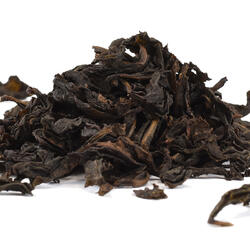
China Tie Luo Han Iron Arhat – Oolong
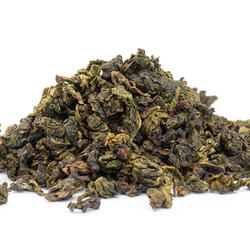
Tie Guan Yin Iron Goddess of Mercy – Oolong Tea