


Why our products?
- Free shipping on orders over 49 €
- Satisfied customers
- Delivery date is specified within the product description
From Traditional Masala Chai to the iconic Chai Latte
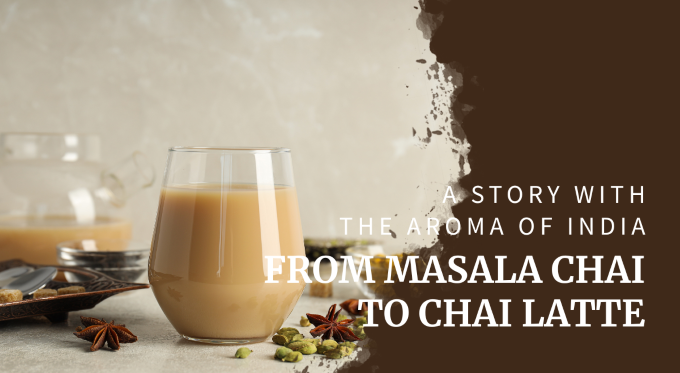
How did this Indian street beverage become a global hit? Let’s depart on this fragrant journey through the lands of cardamom, cinnamon, ginger, and cloves; in other words, the spices that have been used in local traditions as well as family recipes. In the bustling markets of India, the chaiwallas – street drink sellers – skillfully combine black tea with milk, sugar, and spices and cook them for a short time to make flavors blend together perfectly.
Every cup tastes a little different; one is sweeter, another may be spicier. And yet, anytime you take in the aroma, all you can feel is the warmth and comfort hidden within the drink. It’s no wonder that the customers leave the street stalls not only with a cup in their hands, but also with a smile on their face.
The word ‘chai’ means ‘tea’ in Hindi. When you add ‘masala’, meaning ‘spices’, you get a beverage that’s conquered the world with both its aroma and story. However, the original Ayurvedic spiced drinks didn’t contain a single tea leaf. The only things besides water and milk were spices – ginger, cardamom, cloves, and cinnamon. Black tea only joined the recipe in the 19th century during the British colonization, when the first tea plantations were established in India.
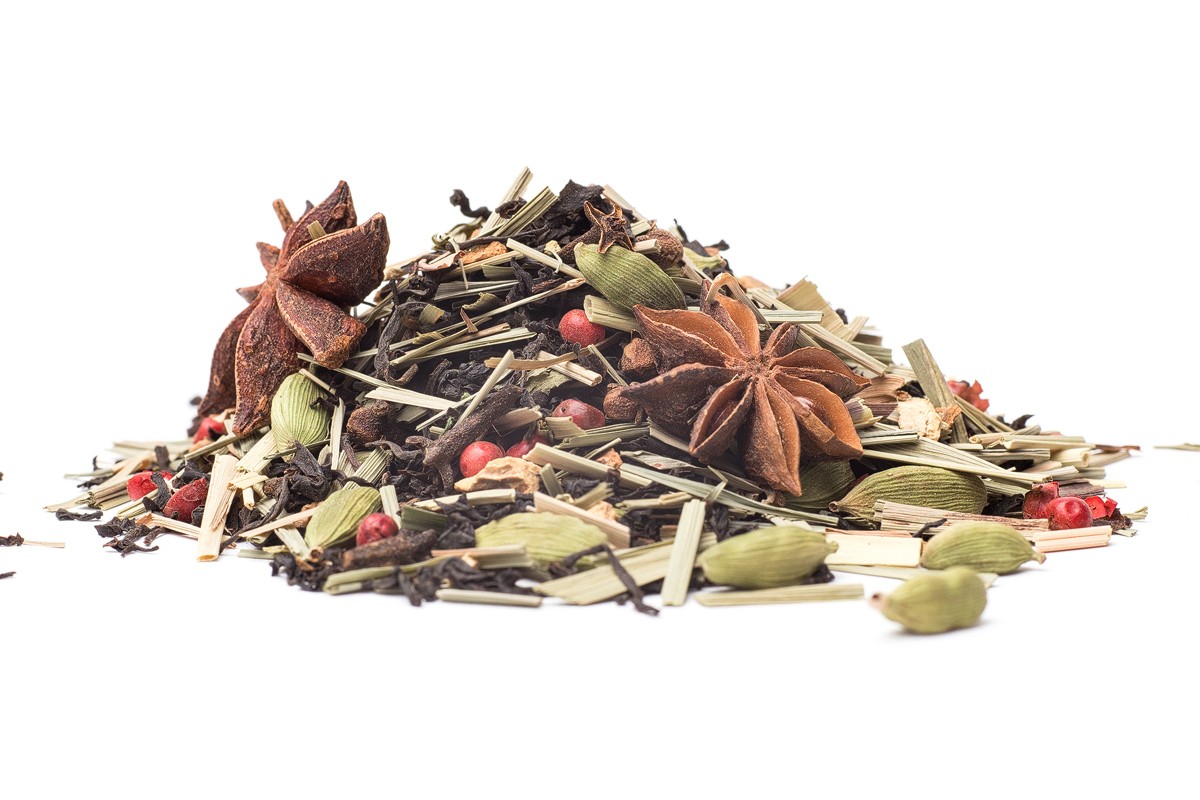
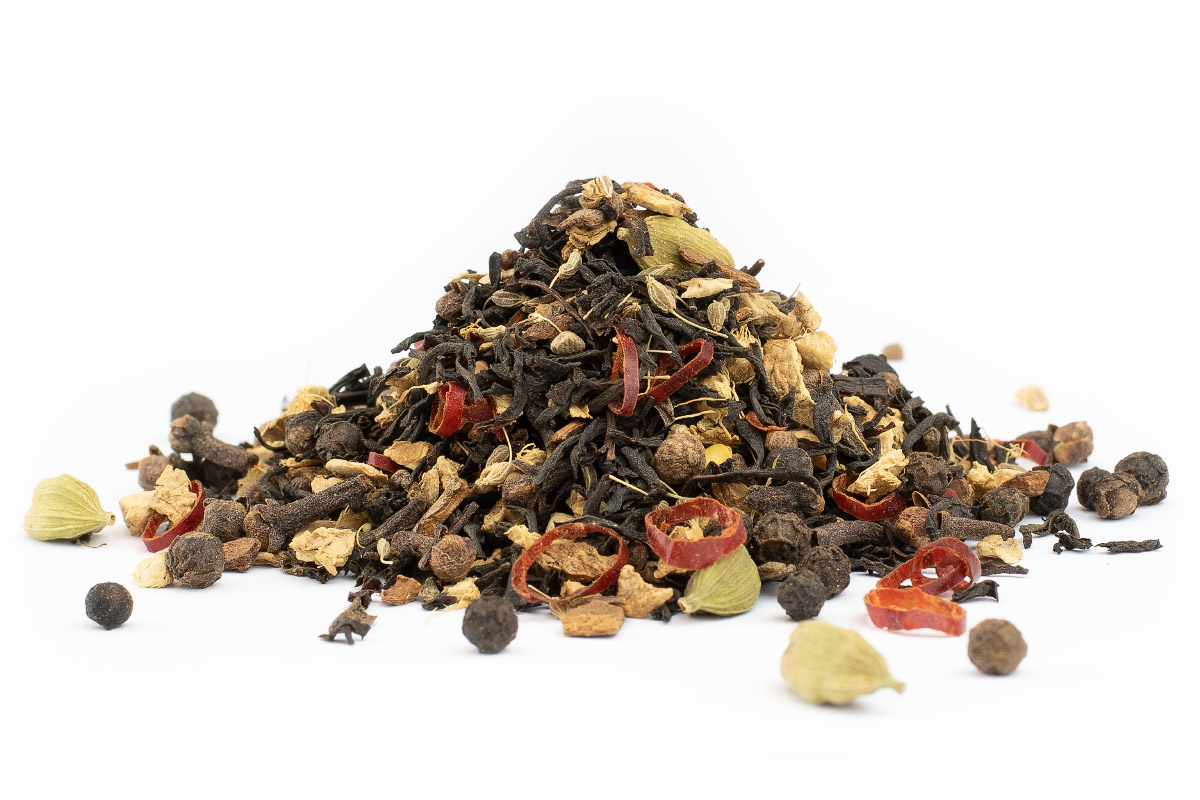
Only with the collision of these two worlds – Indian spices and British tea – did masala chai emerge. The traditional formula can be found in our Masala Chai Black Tea, which combines 56% of high-quality Assam black tea with cardamom, ginger, cloves, star anise, cinnamon, and nutmeg. If you’re into more daring flavor blends, we recommend trying our Masala Chili Chai, which contains dried chilies.
Converting British tea into an Indian gem
Masala chai wasn’t created in modern coffee shops, but in the streets full of people. At the start of the 20th century, chaiwallas began improving their often bitter tea with spices. They had multiple reasons, but mostly did so for the better flavor and health benefits tied to Ayurveda. The British East Indian company tried to restrain this practice, since they thought it was devaluing their product, but the more they tried to suppress it, the more it spread.
Every other family had their own recipe. In Kashmir, they brew chai with green tea and a pinch of salt, in Gunjarant, they prefer sweeter options, and in the south of India, you’ll find stronger, spicier chais. But all of them have one key ingredient: comfort. Because the enjoyment of masala chai can never be rushed.
A Thrilling journey across oceans
JHow did this Indian street drink appear in Parisian restaurants and famous New York cafés? Well, the Indian people, often moving there for work or school, took it with them as a reminder of home.
In the beginning, masala chai was just an exotic treat you could get in Indian restaurants, but then the West began to discover what Ayurveda has recognized for centuries; the fact that spices have a number of health benefits. People suddenly went crazy for this spiced Indian tea.
Stores then slightly shifted the recipe to suit western tastes. This version contained more milk as well as less aromatic spices and was overall sweeter. Similarly to latte, it was prepared with steamed milk. ‘Chai tea latte’ became a part of coffee shops globally before becoming a staple on most menus.
Coffee isn’t the only option
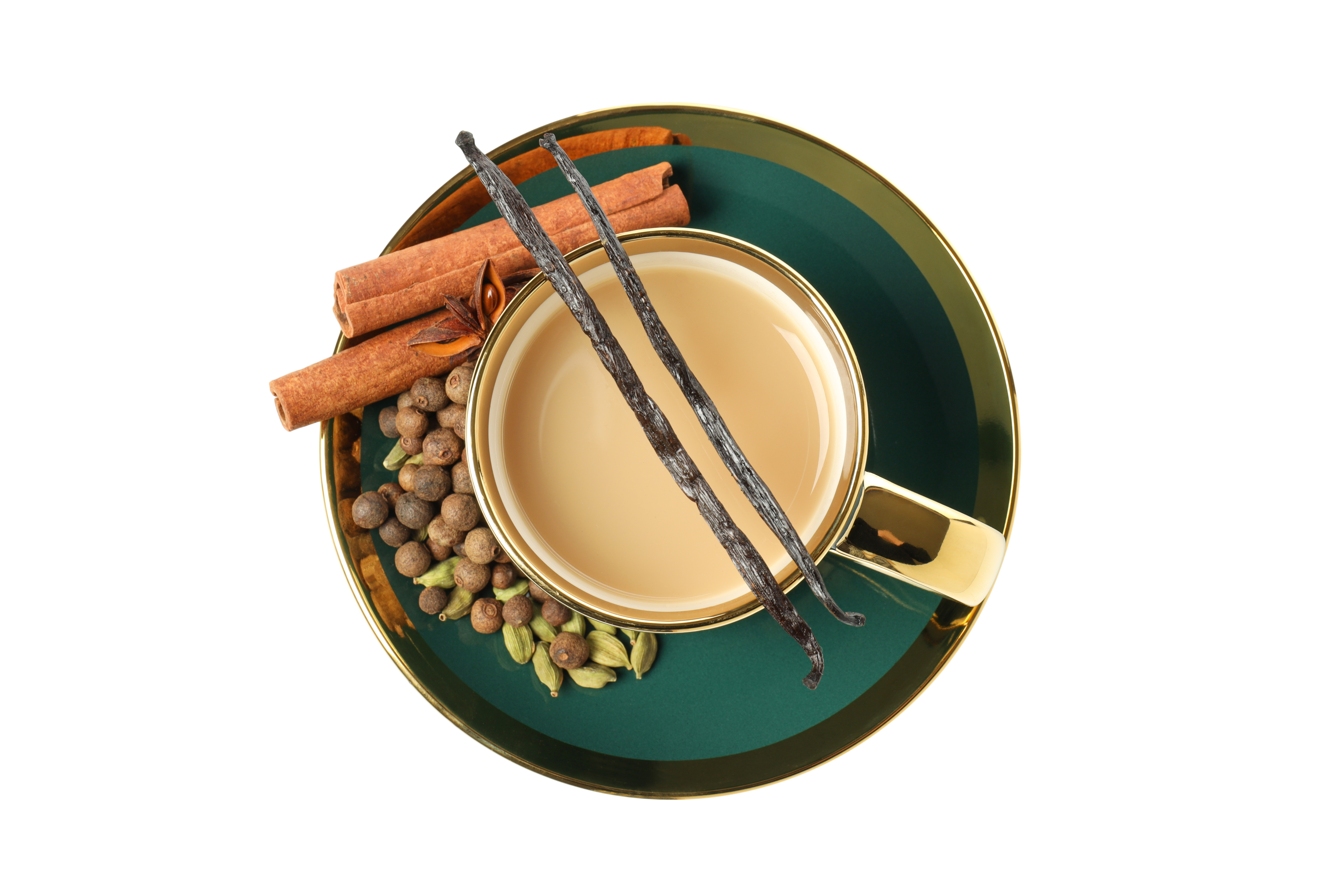
Not everyone wants the intense bitterness of an espresso, which also comes with a hefty dose of caffeine. Chai latte is a much milder option. It’s tasty, warming, and slightly stimulating thanks to the black tea, which contains way less caffeine than coffee.
But it’s not just about caffeine. Even taking in the aroma of spices can create a feeling of warmth and for a lot of fans, it smells like home. Then, there’s the visual: foamy top layer sprinkled with spices looks just as good in pics as it tastes in reality.
Naturally, chai latte became as much a part of autumn as the American pumpkin spice latte.
Modern takes on the classic
Nowadays, chai latte has many different faces, reflecting the preferences of its customers. Dirty chai is the answer for the undecided; a chai latte with a shot of espresso where aromatic spices meet the bitterness of coffee and create a surprisingly balanced combination with an extra caffeine edge.
With each change of the season, there’s a new and fresh way to serve chai latte. Iced chai latte still has the iconic taste of spices, just in a more refreshing summer coat. It's proof that chai latte isn’t tied to just autumn and winter months. And plant-based milks pushed the boundaries even further. Oat milk makes it creamier, almond milk adds a nutty note, and coconut milk has a more exotic feel.
Difference between masala chai and chai latte
It’s important to distinguish traditional masala chai from the modern chai latte. The original Indian chai is brewed slowly and the spices are often slightly crushed to release any essential oils. They’re added to water along with black tea and milk and then boiled together for a short time. The result is a strong, aromatic drink with a rich, spiced flavor.
Commercial chai latte is often made with an extract or a powder mixed with frothed milk. It’s fast and popular, but it lacks the depth of flavor you can achieve only by brewing the spices.
That’s why we recommend trying masala chai at home. With a high-quality Assam TGFOP1 Black Tea and the right mix of spices, you can make yourself a drink that’s much better than any coffee shop could offer.
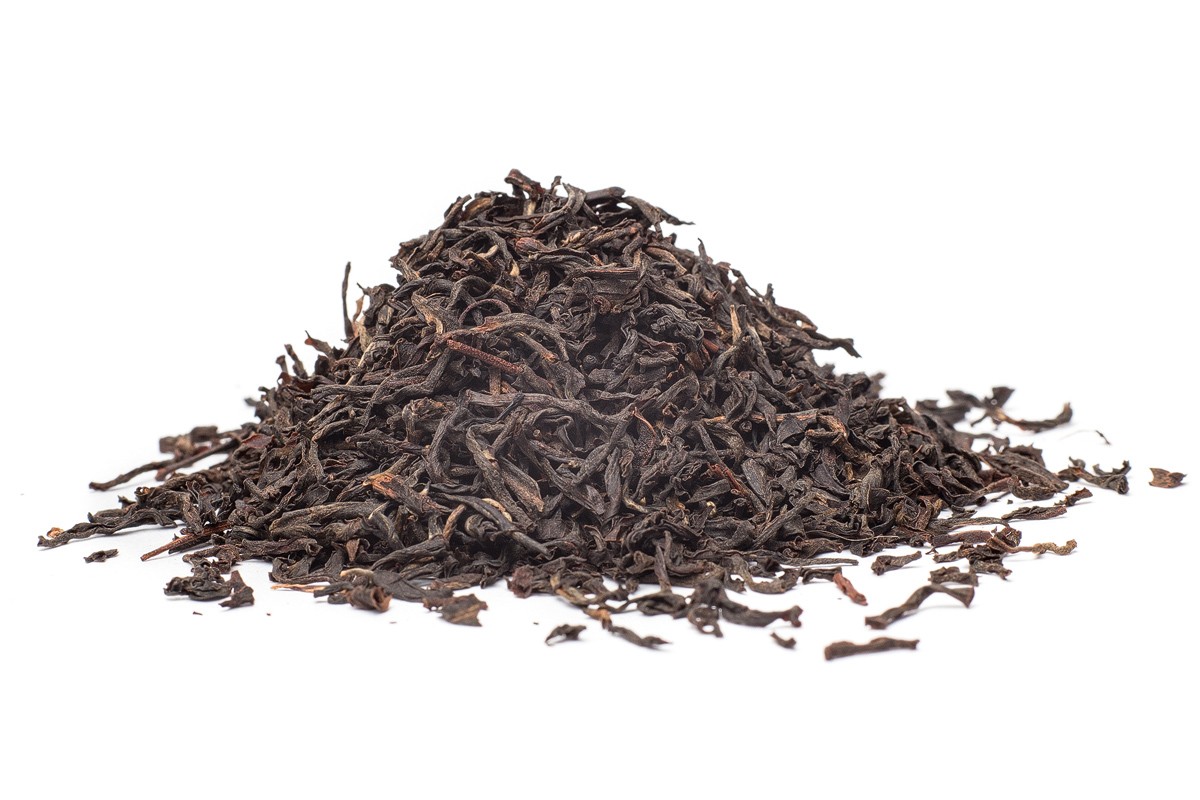
Homemade chai latte recipe
Once you make a chai at home, you’ll realize that the aroma coming out of your pot is something entirely different from the store-bought powder stuff. Your kitchen will be enveloped with the scent of cardamom and ginger and you’ll suddenly feel like a visitor in a tiny Indian café.
Ingredients:
-
2 tsp Masala Chai (alternatively, use 1 tsp of Assam TGFOP1 along with your own spice blend)
-
200 ml water
-
200 ml milk
-
Honey or sugar to taste
Directions:
-
Boil water before adding tea and spices (if you’re using pure Assam tea).
-
Reduce the heat to medium-low and cook for 3-4 minutes.
-
Add milk and bring to a boil again. Once the foam starts rising, remove from heat.
-
Strain through a fine mesh into a cup.
-
Sweeten to taste.
If you want to have that creamy, coffee shop-like top layer, set around ⅓ of the milk aside before boiling. Once your chai is done cooking, froth the leftover milk, pour the finished drink into a cup and add the milk on top.
To make the flavor more intense, you can simmer the blend for longer or try the traditional Indian preparation. In this case, let the mix almost boil over twice – it creates a creamier texture. If you prefer spicier drinks, add a bit of freshly grated ginger, as it has a more intense flavor than dried or powdered ginger.
Finally, we’ll leave you with a warning: milk with tea has a habit of rising and spilling fast, so make sure to stay put and watch the pot.
