Chili Masala Chai – Black Tea


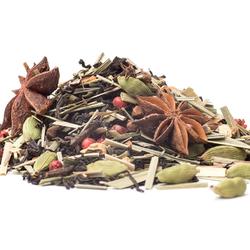
We don't know how high this blend would score on the Scoville scale, but we can confirm that among our teas, it scores it's somewhere in the top. No need to worry about watery eyes or burning throat – if you love chili, this is just the tea for you. It's strong, spicy, and fragrant and the time-tempered blend of masala chai will only improve on the spiciness of chili. Get ready for the heat!
Shipping methods
| Nizozemská pošta HD - zásilkovna | Delivered by 5. 10. | 1,00 € |
|---|---|---|
 DHL DHL |
Delivered by 5. 10. | 4,90 € |


Ingredients
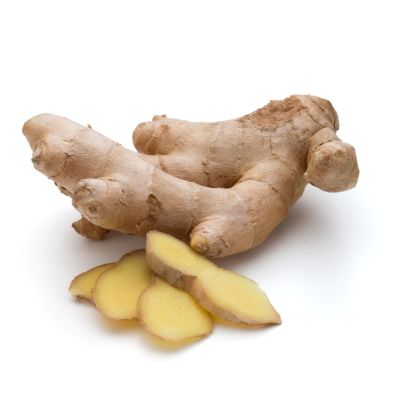
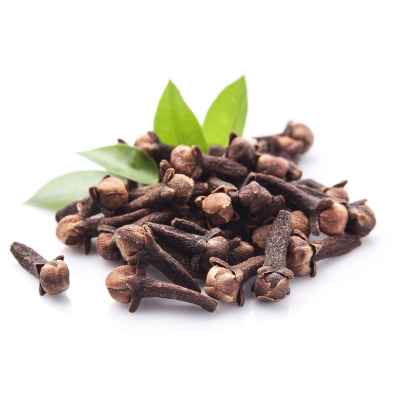
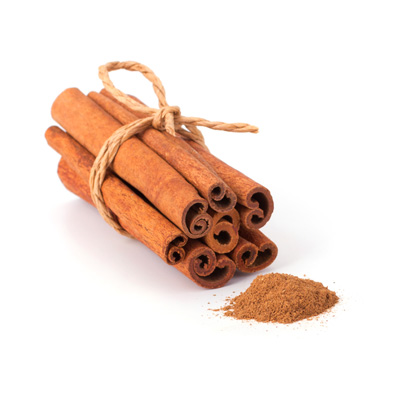
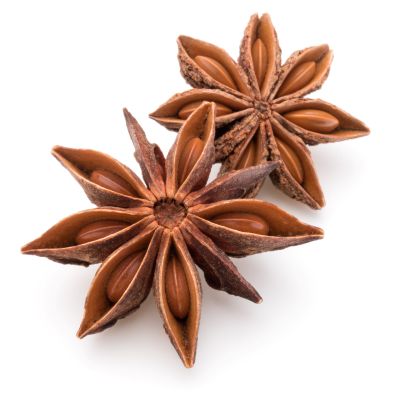
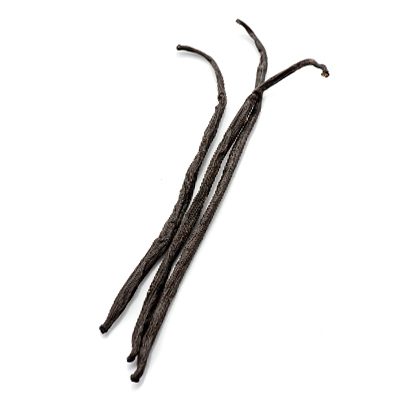
26 % Black tea, Ginger, Cloves, Cardamom, Black Pepper, Ceylon cinnamon chunks, Anise, Chilli, VanillaBrew & Taste
Chili gives a dark amber infusion when poured over hot water. You can already tell by the aroma that it is based on high-quality, strong black tea. The addition of a range of aromatically distinctive spices creates a flavour composition that relies on the sweetness and astringency of black tea. On the palate, you will notice mainly peppery notes of chilli, ginger and pepper, softened by sweet cinnamon, cloves and anise. Your palate will receive a gentle caress thanks to vanilla. As recommended by traditional Ayurvedic prescription, this tea can be flavoured with milk, honey or cane sugar.
The origin of the tea
Chilli Chai is based on ingredients you know from Masala Chai. A blend of quality black tea and spices including ginger, cinnamon, cardamom, cloves, star anise, pepper and nutmeg. We have taken a little bit out and added a little bit in to create a tea that is a bit spicier and packs a punch. Ayurveda in particular works with beverages capable of warming and cleansing internally. Proven combinations of spices both impart a distinctive aroma and support the proper functioning of the digestive system.
The special spice we have tweaked Chilli Chai with is - yes, chilli.
The so-called chillies are the fruits of exotic peppers of the genus Capsicum in the aubergine family. Their natural habitat is found mainly in South and Central America, China, Japan, Vietnam and Africa. But originally, they probably grew in Mexico, with surviving records dating back to 6 000 years ago. It was one of the first crops grown by the Mexicans.
When Christopher Columbus landed in the Caribbean, he became the first European to encounter chillies. He called them "peppers" for their pungent taste, as they reminded him of the well-known black pepper. Chillies were introduced to Asia by Portuguese traders in the late 15th century, and because Asian cuisine demands spiciness, chilli quickly became a staple.
The main ingredient in chillies is capsaicin, which creates the "pungent heat" that spreads not only in the mouth but also in the throat and stomach. And if the skin comes into contact with it, the effect is similar. It is an alkaloid that plants use to sting herbivores. It was first isolated in 1816 and synthetically produced in 1930. It has aroused such interest primarily because of its ability to stimulate blood circulation and digestion. Chilli lovers cite a great many other effects, and Czech scientists have even found that chillies have the potential to relieve chronic pain. It is no wonder capsaicin is used in ointments, nasal sprays and pain-relieving patches.
As for the level of hotness, it is determined by the Scoville scale. The unit is SHU (Scoville Heat Units). Sweet peppers contain 0 SHU, and one of the hottest habaneros reaches 300,000 SHU. And one last interesting fact. If you come across cayenne pepper, know that it has nothing to do with pepper. It is a powder made from dried chilli peppers. Its name is a bit of a translation error.
Benefits of ingredients:

Tea packaging preview
We pack our teas in a strong, zip-lock aluminum packet which allows you to easily re-seal its contents. This container protects the quality of the tea against humidity, light or foreign odors, all of which could noticeably affect the quality of the brew.
Preparation
 100 °C
|
 3-4 minutes
|
 1 teaspoon for 150-200 ml
|
Instructions for preparation
Pour 150-200ml of boiled water (100°C) per 1 teaspoon of tea.
When brewing in a teapot add 1 extra teaspoon.
Covered, let steep for 3-4 minutes, then remove the strainer.


| Energy value: | 3 kJ / 1 kcal |
| Fats: | 0,5 g |
| of which saturated: | 0,1 g |
| Carbohydrates: | 0,5 g |
| of which sugars: | 0,1 g |
| Proteins: | 0,5 g |
| Salt: | 0,01 g |
Are you looking for inspiration? Other customers have bought this:
Masala Chai – Black Tea