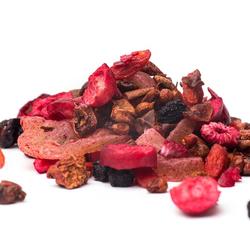
For Pregnant Women – Herbal Tea


"A mother's love! O holy, boundless thing! Fountain whose waters never cease to spring!" said one Irish writer, and millions of women around the world can only agree. But expecting is not easy on any body. So reach for some healing herbs and brew a natural tea that will give you the rest and support you deserve during the hardships of pregnancy.
Shipping methods
| Nizozemská pošta HD - zásilkovna | Delivered by 14. 10. | 1,00 € |
|---|---|---|
 DHL DHL |
Delivered by 14. 10. | 4,90 € |


Ingredients
Apricot leaves, Rooibos, Rose Hip skin, Apple chunksBrew & Taste
The herbal blend For Pregnant Women is a very mild, light and non-irritating tea. Thanks to its composition, it tastes really pleasant, refreshing, with a trace of apple and sweetness of rooibos. It is recommended to be consumed lukewarm, but always freshly prepared.
Origins
Lemon balm, rooibos, rosehips and apples – herbs and fruits we know well, yet don't always fully appreciate. Let's talk about them briefly. They might surprise you with their origin, composition or use.
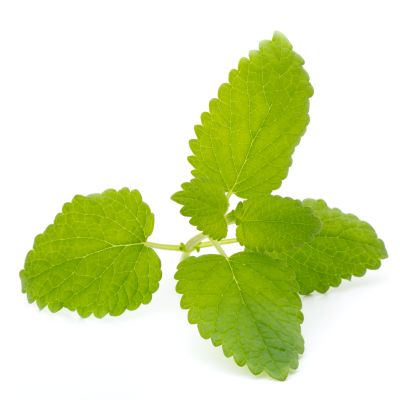
Lemon balm, scientifically called Melissa officinalis, is known to every Central European. The lemon-scented perennial grows both in the wild – especially near the Mediterranean – and in gardens. It reaches a maximum height of 1.5m, has white flowers and, as it belongs to the Lamiaceae family. Folk medicine has given it a number of nice names including honey plant, bee or sweet balm, mellisa or heart's delight. And it delight is perfect for expecting moms. It contains essential oils such as citral, citronellal or geraniol, while also being rich in tannins, plant mucilage and flavonoids.
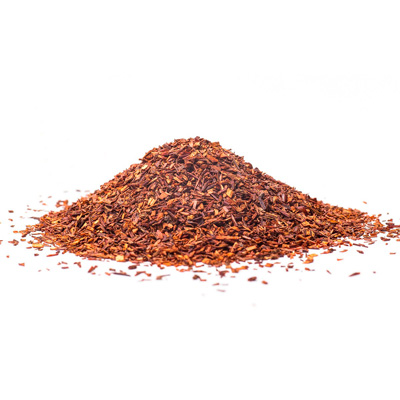
Let's also discuss rooibos, the cut leaves of the Cape tea plant (Aspalathus linearis). This is a shrub found only in the Cederberg, one of the provinces of South Africa. Because only there is nature pure enough, the soil nutritious and the humidity ideal for sensitive plants to thrive. Rooibos, as we most often see it, has a reddish-brown color, which is due to the processing of the green needle-like leaves. It is also called red tea and is popular because of its very good sweet to honey flavor and its antioxidant and mineral content.
Roses are also very close to our hearts. In particular the fruit of the rosehip bush (Fructus cynosbati), which has been part of folk medicine since at least the 11th century. They have a high content of vitamin C, also vitamins K or B vitamins, contain rutin and calcium.
And lastly apples. The fruit of one of the most common fruit trees has a wonderful flavor, is the center of dozens of legends and brings much needed vitamins, antioxidants and minerals to the diet. Malus trees can live up to a 100 years, are found in the temperate zones of the northern hemisphere, and are a joy to behold when in bloom. Those who wait for apples will get a wonderful source of vitality. They contribute to good digestion and nutritionists more than recommend them to expectant mothers.
Benefits of ingredients:



Tea packaging preview
We pack our teas in a strong, zip-lock aluminum packet which allows you to easily re-seal its contents. This container protects the quality of the tea against humidity, light or foreign odors, all of which could noticeably affect the quality of the brew.
Preparation
 100 °C
|
 8-10 minutes
|
 1 teaspoon for 150-200 ml
|
Instructions for preparation
Pour 150-200ml of boiled water (100°C) per 1 teaspoon of tea.
When brewing in a teapot add 1 extra teaspoon.
Covered, let steep for 8-10 minutes, then remove the strainer.


| Energy value: | 4 kJ / 2 kcal |
| Fats: | 0.1 g |
| of which saturated: | 0.1 g |
| Carbohydrates: | 0.1 g |
| of which sugars: | 0.1 g |
| Proteins: | 0.1 g |
| Salt: | 0.01 g |
Are you looking for inspiration? Other customers have bought this:
Child's Dream – Fruit Infusion
Tempting Cherry – Fruit Tea