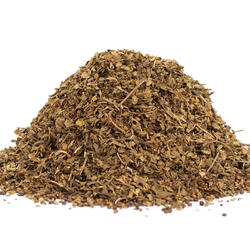
Eyewort (Euphrasia Officinalis) – Herb


If you've ever seen one, it must've captivated you with its unusual flowers. And if you've had tea from it, you'll remember its bitter and slightly spicy taste. Only growing in places with perfectly clear water, the flowers can be used to make decoctions, infusions, or even wine. Whichever you choose, you will get a valuable source of glycosides, tannins and vitamin C.
Shipping methods
| Nizozemská pošta HD - zásilkovna | Delivered by 7. 10. | 1,00 € |
|---|---|---|
 DHL DHL |
Delivered by 7. 10. | 4,90 € |


Ingredients
100 % Eyewort (Euphrasia officinalis)Brew & Taste
Eyewort leaf brew tastes herbal and slightly bitter towards the end. The infusion is pale and almost odorless.
Origins
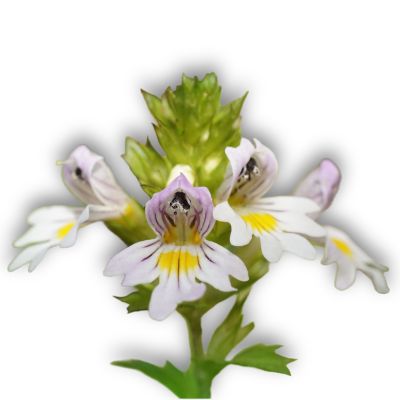
Euphrasia officinalis, also called eyebright or eyewort, has been used for many, many years. First herbalists and later botanists described this plant as about a 25cm tall, semi-parasitic and as blooming in white to purple flowers. It was popular in the time of ancient Greece and the reign of Queen Elizabeth I and remains in prominence today. Perhaps because of its name – Euphrasia refers to the Greek goddess of joy.
As we have already mentioned, it is a semi-parasitic herb. This means that it uses inorganic substances from other plants to grow. It can therefore be found wherever those conditions are met, i.e. in meadows, bogs or pastures. It should be added that it is very sensitive to the quality of groundwater, which is why we used to see it much more often than we do today.
Anyway, the buttercup is widespread across almost all of Europe. You can recognize it by its egg-shaped leaves with serrated edges and its white or soft purple flowers, which have a yellow spot at the base. The flowers are about 1cm in size and appear from July to October. The fruit is an oblong capsule.
Why is the eyewort still so popular? Mainly due to its high content of glycosides, tannins, essential oils and flavonoids. The herb is also a source of provitamin A and vitamin C. Its external and internal use promotes normal vision and refreshes the body. It is most commonly added to tea blends, but can also be made into a tincture or wine.
Benefits of ingredients:

Herb packaging preview
We pack our herbs in a strong, zip-lock aluminum packet which allows you to easily re-seal its contents. Thanks to the hermetic seal, the herbs are protected against humidity, light and foreign odors, all of which could noticeably affect the quality of the brew and the herb itself.
Preparation
 100 °C
|
 15 minutes
|
 1 teaspoon for 150-200 ml
|
Instructions for preparation
Pour 150-200ml of boiled water (100°C) per 1-2 teaspoons of tea.
When brewing in a teapot add 1 extra teaspoon.
Covered, let steep for 15 minutes, then remove the strainer.


Are you looking for inspiration? Other customers have bought this:
Organic Honeybush
Tea Infuser Tongs – 45mm