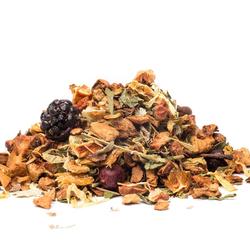
Herbal Cleanse – Wellness Tea


Naturally sweet, a little astringent, perfectly delicious, and ideal for both hot and iced tea. The ingredients of this wellness tea make it the perfect choice for everyday refreshment. It contains nettle, green tea, vervain, St. John’s wort, and ginkgo. Make yourself comfortable – make yourself a cup of tea!
Shipping methods
| Nizozemská pošta HD - zásilkovna | Delivered by 22. 10. | 1,00 € |
|---|---|---|
 DHL DHL |
Delivered by 22. 10. | 4,90 € |


Ingredients
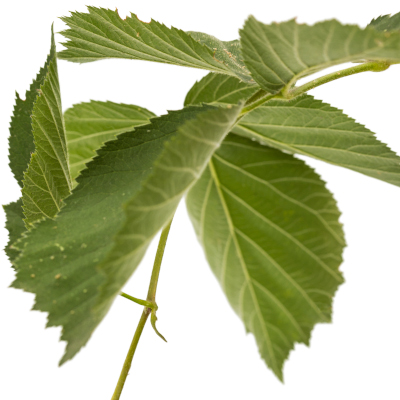
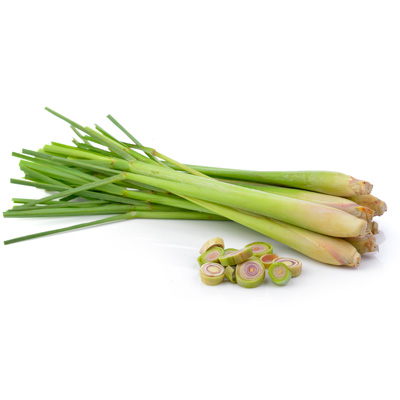
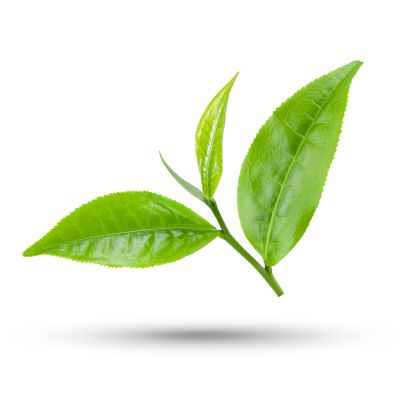
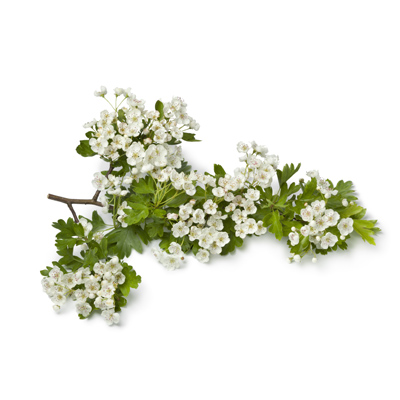
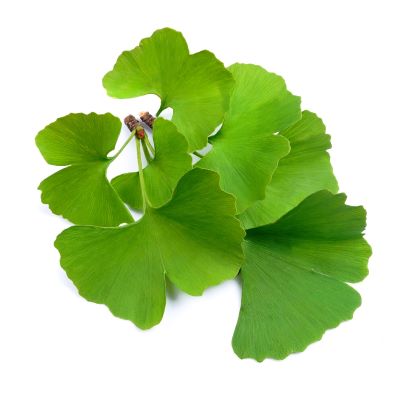
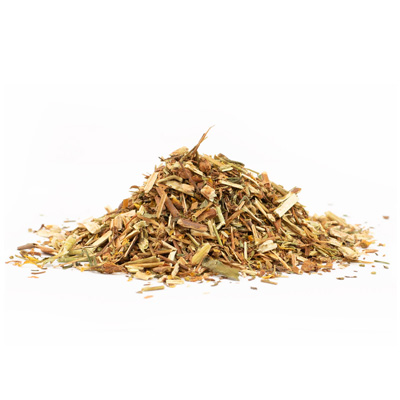
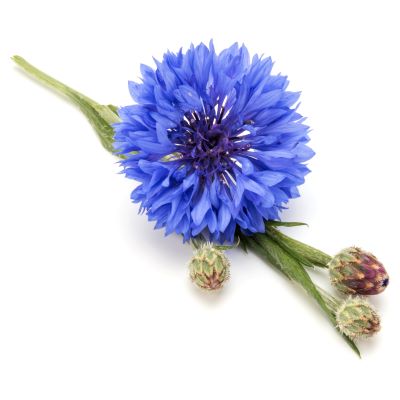
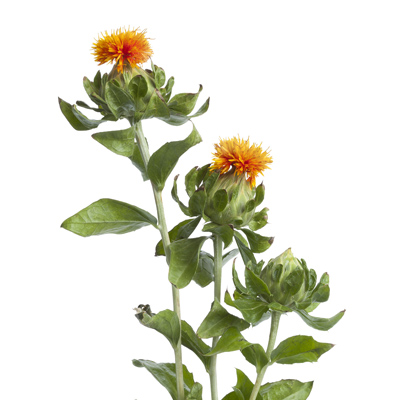
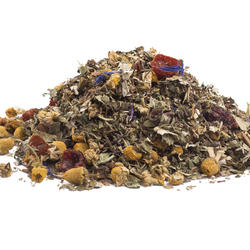
Blackberry leaves, Nettle leaves, Vervain, Lemongrass, Green tea, Hawthorn leaves, Willowherb, Ginkgo biloba leaves, Perforate St John's-wort, Cornflower, Safflower blossomBrew & Taste
Herbal Cleanse Wellness Tea is a light orange color and has a delicate flavor and aroma. It’s purely natural, slightly sweet, and subtly astringent and can both refresh you and warm you up. You can prepare this loose blend as an iced tea for an extra refreshing experience.
Origins
The raw materials come from a certified EU supplier, which guarantees the highest quality of herbs and their handling. They provide ingredients with purely natural origin and conduct regular chemical analyses to ensure there aren’t any health hazards or industrial pollution residue.
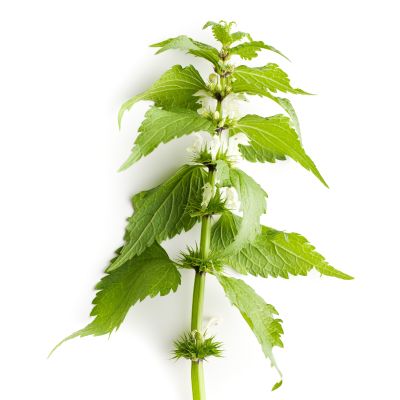
The essential component of this tea is nettle (Urtica dioica). It can be found in meadows, by the roadside, or at the edge of the forest. Besides containing a range of valuable substances, it’s an important part of the ecosystem – it serves as food for the caterpillars of several butterfly species. Young nettle leaves are an excellent cooking ingredient and make a good addition to soups, spreads, and spinach.
Nettles are rich in:
- vitamins A, C, K, and B,
- iron, calcium, magnesium, silicon,
- chlorophyll,
- flavonoids,
- silicic acid,
- tannins,
- histamine, serotonin, and acetylcholine, which create the stinging sensation.
We also have to mention St. John's wort (Hypericum perforatum), which is surrounded with many myths and legends. For example, it’s called the ‘witch's herb’ or the ‘midsummer herb’ because it flowers during the summer solstice. In the past, it was believed to ward off evil spirits and protect against storms. When you crush its yellow flowers, they turn your fingers red – evidence of the presence of hypericin, one of St. John's wort's most potent substances.
St. John's wort contains:
- Hypericin and pseudohypericin,
- hyperforin,
- flavonoids (e.g., quercetin, rutin),
- tannins,
- essential oils,
- xanthones.
If you’re consuming St. John’s wort, be careful: it must never be combined with some medical drugs, as it may affect their absorption in the liver.
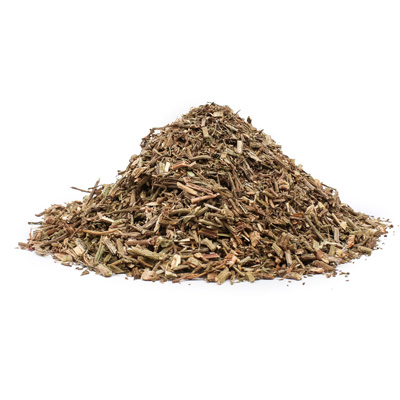
Finally, let’s move onto Verbena officinalis, a tender herb with delicate purple flowers and the sacred plant of the Celts and Romans. They called it ‘herba sacra’ and used it in purification rituals. In the Middle Ages, it was believed to strengthen courage and purify the heart from sorrow.
We value vervain especially for its content of:
- verbenalin, hastatoside,
- tannins,
- flavonoids (apigenin, luteolin),
- mucilaginous substances,
- essential oils,
- silicic acid.

Tea packaging preview
We pack our teas in a strong, zip-lock aluminum packet which allows you to easily re-seal its contents. This container protects the quality of the tea against humidity, light or foreign odors, all of which could noticeably affect the quality of the brew.
Preparation
 100 °C
|
 5 minutes
|
 1 teaspoon for 150-200 ml
|
Instructions for preparation
- Pour 150-200ml of boiling water (100°C) per 1 teaspoon of tea.
- When brewing in a teapot, add 1 extra teaspoon.
- Covered, let steep for 5 minutes, then remove strainer.


| Energy value: | 8 kJ / 2 kcal |
| Fats: | 0.5 g |
| of which saturated: | 0.1 g |
| Carbohydrates: | 0.5 g |
| of which sugars: | 0.5 g |
| Proteins: | 0.5 g |
| Salt: | 0.01 g |
Are you looking for inspiration? Other customers have bought this:
For Cold Weather – Herbal Infusion
Sleepyhead – Herbal Infusion