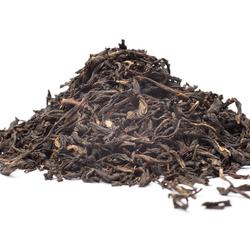
Eight Pillars of Chi – Herbal Tea


A pleasant drink to refresh you no matter the situation. A blend of eight delicacies, including high-quality teas and traditional Chinese herbs, is perfect whether you're planning to exercise or just relax. With a balanced ratio of the best ingredients, it will energize and delight every palate with a very complex, pure herbal trail with a hint of gentle pepperiness.
Shipping methods
| Nizozemská pošta HD - zásilkovna | Delivered by 22. 10. | 1,00 € |
|---|---|---|
 DHL DHL |
Delivered by 22. 10. | 4,90 € |


Ingredients
Red tea Pu Erh, White tea Pai Mu Tan, Oolong, Liquorice root, Goji, Ginger chunks, Ginkgo leaves, Ginseng rootBrew & Taste
Eight Pillars of Chi Herbal Tea gives a dark brown infusion with a faint herbal aroma. The taste is not unpleasant either, quite the opposite. Smooth is probably the most apt word to describe it. If you are attentive, you can distinguish the notes of fine teas and a hint of herbs. With extra focus, you'll find peppery ginger and sweet licorice.
Origins
We got the name for this tea straight from China, along with the ingredients. The term chi or qi was used in ancient China to describe being in all its forms. Traditional Chinese medicine, Ayurveda, and qigong, the practice of cultivating the human body, all work with this energy.
The "Being", composed of yin and yang, is about balance. We attempted to recreate its essence by mixing 3 teas and 5 herbs. Perhaps you too will find your daily harmony in them.
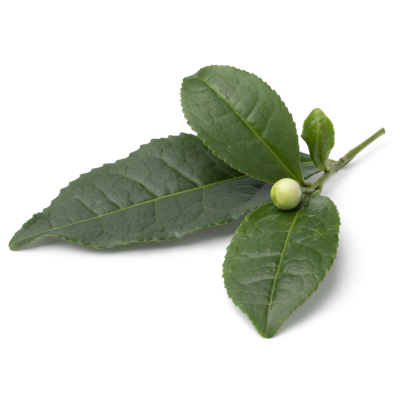
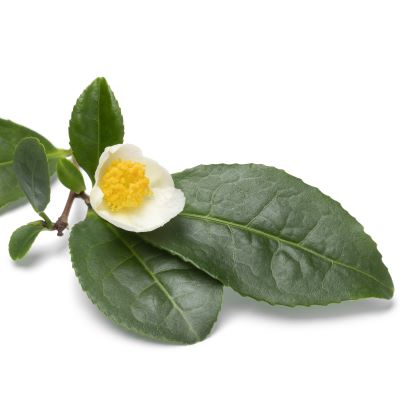
Pu Erh , which is characterized by a certain earthiness in its taste, is one of the most highly prized teas. It is the progenitor of teas and its production involves fermentation, which matures it to a superior quality. For Pu Erhs, the older they are, the more delicious they are.
Pai Mu Tan is a white tea, which means it is very light, sweet and rare. It used to be enjoyed only by members of the imperial court, but fortunately today there is enough for all tea connoisseurs.
The semi-oxidized, red tea with a delightful aroma is called oolong. It has a smooth, earthy flavor and, thanks to its low caffeine content, you can sip it all day.
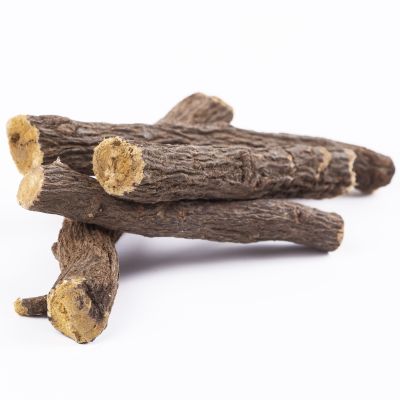
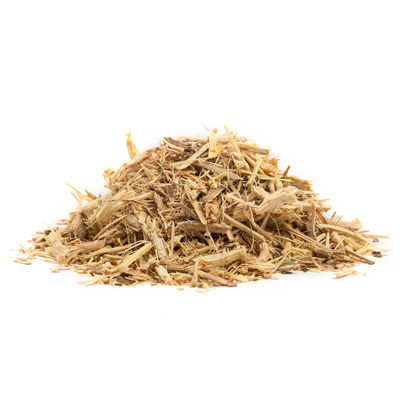
You'll know the taste of licorice from sweets. The root of the herb is sweet, so much so that it can be used as a sugar substitute.
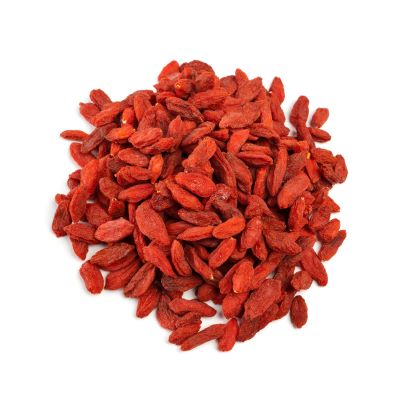
The tiny red goji berries, also called Chinese wolfberries, are pleasantly sweet and sour. Experts classify them as a so-called superfood.
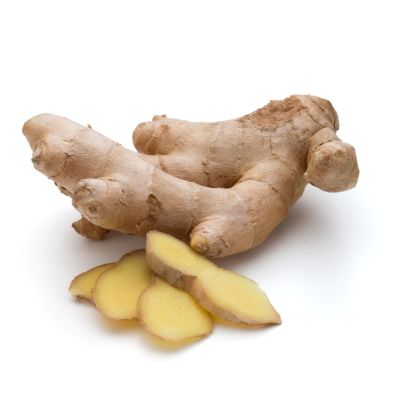
Ginger is the dried rootstalks of the ginger plant. It tastes citrusy and spicy.
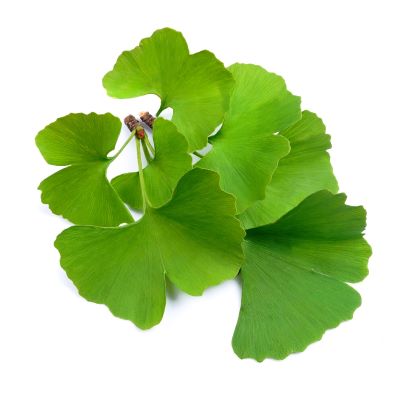
The leaves of the ginkgo biloba, a deciduous tree, are called ginkgo. Its pharmacological uses are well known and world-renowned.
Ginseng has been one of the herbs renowned throughout the world for several thousand years. It tastes bitter-sweet.


Tea packaging preview
We pack our teas in a strong, zip-lock aluminum packet which allows you to easily re-seal its contents. This container protects the quality of the tea against humidity, light or foreign odors, all of which could noticeably affect the quality of the brew.
Preparation
 80-90 °C
|
 3-5 minutes
|
 1 teaspoon for 150-200 ml
|
Instructions for preparation
Pour 150-200ml of boiled water (80-90°C) per 1 teaspoon of tea.
When brewing in a teapot add 1 extra teaspoon.
Covered, let steep for 3-5 minutes, then remove the strainer.


Are you looking for inspiration? Other customers have bought this:
Darjeeling BPS First Flush Singtom Organic – Black Tea
Keemun China Congu – Black Tea