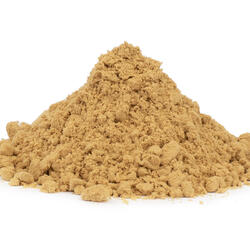
Cordyceps Sinesis Mycelium – Organic Mushroom Powder


This mushroom has it all: umami, wide range of uses and even an interesting story to go along with it. Want to find out more about this Tibetan gem? Then you’ll just have to try it. It’s imbued with delicious earthy tones with a slightly bitter hint of cocoa. Cordyceps is pretty popular in Asia, but we believe it’ll find its supporters in Europe, too.
Shipping methods
| Nizozemská pošta HD - zásilkovna | Delivered by 15. 10. | 1,00 € |
|---|---|---|
 DHL DHL |
Delivered by 15. 10. | 4,90 € |


Ingredients
100 % Organic Cordyceps sinensisBrew & Taste
The powder of the cordyceps mushroom (Cordyceps sinensis mycelium) does surprisingly not taste bad at all. It has a mild, slightly earthy and nutty flavor. While there is a slight bitterness, it complements the flavor and doesn’t ruin the taste at all. The fine powder can be used to make porridge or as an ingredient in smoothies or soups. It can even be used in tea blends.
Characteristics
Mushroom such as cordyceps carries a long and rich history.
First, we have to look in ancient China, where this fungus first found its uses more than a thousand years ago. The first written references date back to the Tang Dynasty (618-907 AD). At that time, the mushroom was referred to as "nature's precious jewel" and associated with longevity and vitality, almost exclusively accessed by members of the imperial court and the upper classes due to the time-consuming and expensive retrieval and drying. Cordyceps thus symbolized luxury and was valued as a symbol of health and vitality.
During the Ming Dynasty (1368-1644), cordyceps sinensis was popularized thanks to the Ming physicians. The famous Li Shizhen, author of the extensive herbarium Bencao Gangmu (Compendium of Materia Medica), considered cordyceps to be one of the most valuable natural resources. Li Shizhen described cordyceps as a body-and-mind booster and recommended it to people who needed to quickly regenerate their strength. The Tibetans and the Nepalese considered the mushroom to be a gift from the gods. According to Tibetan legends, local herders noticed increased vitality and health in their animals while grazing near cordyceps sites. This inspired them to try the mushroom themselves and it became a part of ritual practices, teas, and tinctures.
In the 20th century, cordyceps sinensis also came to the attention of the Western world. The word spread during 1993 when the Chinese women's cross-country team broke several records at the world championship. Their coach said that the athletes were using Cordyceps.
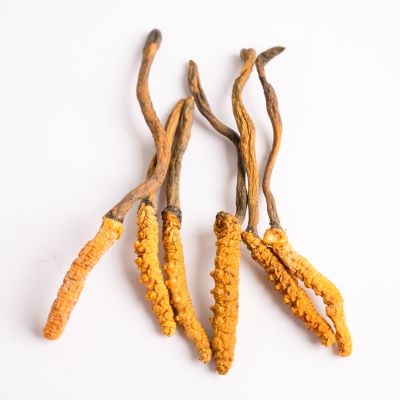
Equally interesting is the life cycle of this fungus – it’s parasitic to insect larvae, especially moths of the genus Thitarodes. In the initial stage, it infects the larva and gradually consumes it completely with mycelium. In the spring, the mummified larva grows into a dark brown or black, slender fruit that’s 4-10cm long. Cordyceps sinensis contains a number of bioactive compounds, including polysaccharides, cordycepin, adenosine, sterols and essential amino acids.
Benefits of ingredients:

Herb packaging preview
We pack our herbs in a strong, zip-lock aluminum packet which allows you to easily re-seal its contents. Thanks to the hermetic seal, the herbs are protected against humidity, light and foreign odors, all of which could noticeably affect the quality of the brew and the herb itself.
Preparation
 40 °C
40 °C
|
 1-3g
1-3g
|
Instructions for preparation
Stir 1-3g in 100ml of lukewarm water or other beverage.
For best results, repeat 5 days a week, then skip 2 days.
To encourage absorption, it's recommended to increase your vitamin C intake.


| Energy value: | 1572 kJ / 375 kcal |
| Fats: | 8 g |
| of which saturated: | 1,5 g |
| Carbohydrates: | 16,6 g |
| of which sugars: | 2,2 g |
| Fibre: | 22,8 g |
| Proteins: | 47,5 g |
| Salt: | 0,05 g |
Are you looking for inspiration? Other customers have bought this:
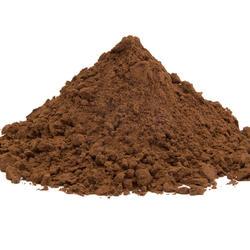
Reishi – Organic Mushroom Powder
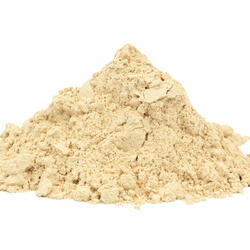
Shiitake – Organic Mushroom Powder