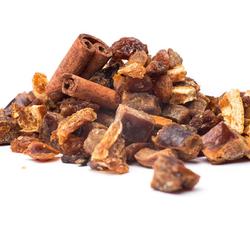
Cinnamon Sprinkled Pumpkin – Fruit Tea


Did somebody say autumn in a teapot? Must be our delicious tea full of pumpkin with sprinkles of cinnamon. One sip and you’ll feel as if you were taking a walk among crunchy leaves with morning rime or curled up near a comfy fireplace. Sweet and pleasantly spicy, this tea makes a perfect companion for any occasion – whether it be on a Sunday with a breakfast in bed, an unexpected work meeting or on a challenging mountain hike.
Shipping methods
| Nizozemská pošta HD - zásilkovna | Delivered by 7. 9. | 1,00 € |
|---|---|---|
 DHL DHL |
Delivered by 7. 9. | 4,90 € |


Ingredients
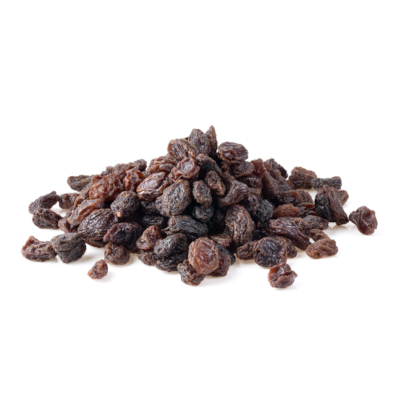
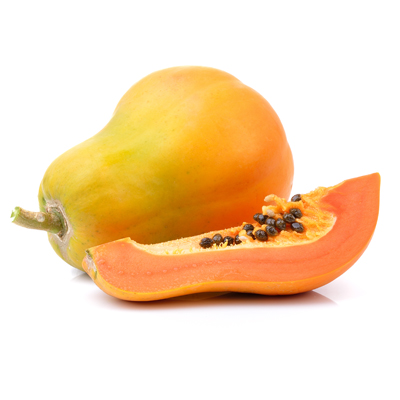
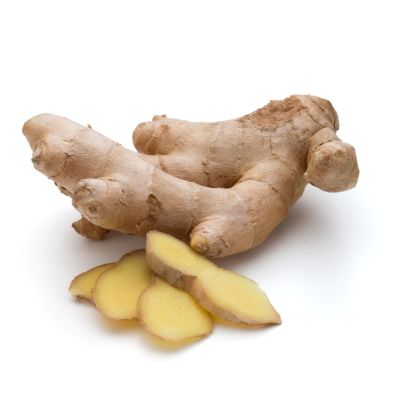
Apple Bits (Apples, Citric Acid), Carrot chunks, Raisins, Candied papaya (papaya, sugar), Hibiscus flower, Ginger chunks, Cinnamon, 5 % Pumpkin chunks, Beetroot, Nutmeg, AromaOrigins
Most prominent elements in this tea are of course pumpkin and cinnamon, so let’s find out what makes them so special.
Pumpkin, a plant of the Cucurbita family, comes from the area of modern Mexico where it was cultivated more than 7000 years ago. It reached other parts of the world and thanks to its adaptability developed new varieties depending on the climate. Nowadays you’re more likely to encounter pumpkins in temperate to subtropical climates. The biggest producers include United States, India, Ukraine, Russia and China.
Pumpkins are annual plants and need plenty of sun, warmth and humidity to prosper. We know that describing a pumpkin is like throwing water into the ocean, but let’s just remind ourselves that they’re round to oblong and grown in various shapes, from decorative tiny pieces to some bona fide giants. Pumpkin rind is thick and solid, often of orange, yellow or green color – but other colors aren’t unheard of; white, blue or even striped pumpkins aren’t as uncommon as you may think. Pumpkins are hollow and full of soft, sweet orange or yellow pulp, which is full of flat oblong seeds that taste delicious when dried and peeled. Other than being low on calories, pumpkins are also rich in vitamins and minerals such as vitamin A, B, C and E and potassium, magnesium, calcium and fiber. It’s perfect for soups, purees, pies, smoothies or sauces.
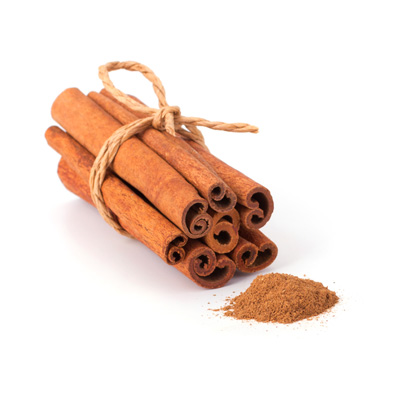
But let’s not forget about cinnamon – which is actually a peeled bark of a tree. These trees or shrubs belong in the Cinnamomum family and originate from somewhere around Southeast Asia, where they spread throughout other tropical areas. The focal point of cinnamon production is Sri Lanka, where most of true cinnamon comes from. Other big producers include China and Vietnam, which are better known for cassia cinnamon – a spicier, more fragrant variant.
Cinnamon is easiest to harvest during the rainy season when the bark is soft and easy to peel. First, the young sprouts have to be cut off and peeled. Then the inner layer of the peel is scratched off, rolled into the signature cinnamon shape and sun-dried for however long is needed.
The one most invaluable component of cinnamon is cinnamaldehyde, which gives this seasoning its taste and aroma. Other than this it contains eugenol, polyphenols and a small amount of vitamins and minerals like manganese, calcium and iron. While it’s mostly used as spice or sweetener in desserts, drinks or sauces, it’s often utilized in the cosmetics industry as well.




Tea packaging preview
We pack our teas in a strong, zip-lock aluminum packet which allows you to easily re-seal its contents. This container protects the quality of the tea against humidity, light or foreign odors, all of which could noticeably affect the quality of the brew.
Preparation
 100 °C
|
 8-10 minutes
|
 1 teaspoon for 150-200 ml
|
Instructions for preparation
- Pour 150-200ml of boiling water (100°C) per 1 teaspoon of tea.
- When brewing in a teapot add 1 extra teaspoon.
- Covered, let steep for 8-10 minutes, then remove the strainer.


| Energy value: | 15 kJ / 4 kcal |
| Fats: | 0.5 g |
| of which saturated: | 0.1 g |
| Carbohydrates: | 0.9 g |
| of which sugars: | 0.9 g |
| Proteins: | 0.5 g |
| Salt: | 0.01 g |
Are you looking for inspiration? Other customers have bought this:
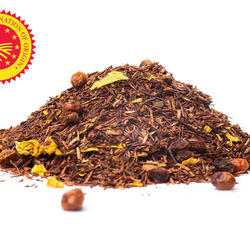
Sea Buckthorn Cream – Rooibos
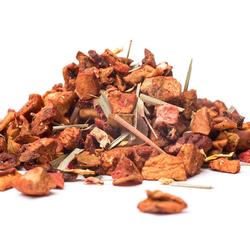
Juicy Guava – Fruit Infusion