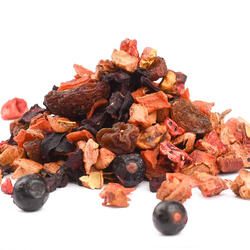
Cinnamon-Pumpkin Magic – Fruit Infusion


There are moments when you need something more than just a hot beverage. Moments when you crave the smell of home and the taste of memories. Cinnamon-Pumpkin Magic tea smells just like grandma’s stewed pumpkin, a fresh batch of cinnamon rolls, and roasted almonds from the local faire. Each sip is like returning to the comforting arms of your cherished childhood.
Shipping methods
| Nizozemská pošta HD - zásilkovna | Delivered by 22. 10. | 1,00 € |
|---|---|---|
 DHL DHL |
Delivered by 22. 10. | 4,90 € |


Ingredients
Apple chunks, Cocoa peel, 11 % Ceylon cinnamon , Coconut sugar, Slad Barley, 6 % Pumpkin chunks, Roasted rice, Carrot flakes, Almonds, AromaBrew & Taste
The foundation is sweet, made up of pumpkins and apples, which go perfectly with subtle cinnamon. Cocoa shells give the tea a subtle chocolate undertone that rounds off the whole blend. And the combination of almonds and barley malt completes the flavor.
By brewing, you’ll achieve a warm, amber-colored drink with a slight orange tint.
Origins
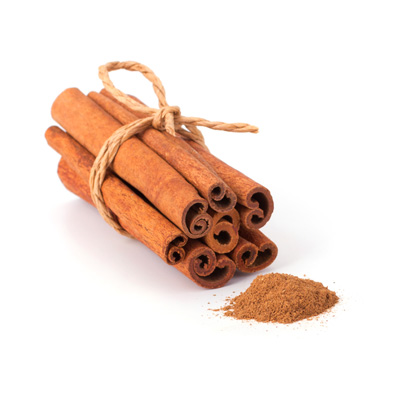
In the Middle Ages, cinnamon was more expensive than gold, and European powers waged wars over who got to control Ceylon and with it, the cinnamon supply. Native Americans, on the other hand, made all sorts of things from pumpkins, including bowls, musical instruments, and even boats. Europeans didn’t know how to utilize this vegetable for a long time, not until they realized that it also tastes great and is full of healthy nutrients.
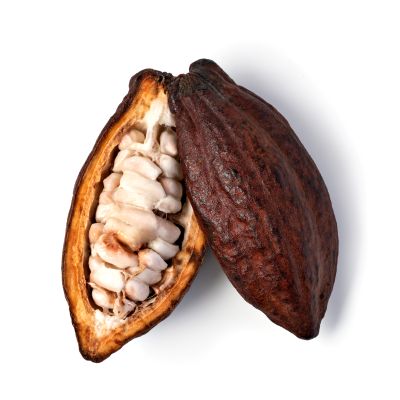
The Aztecs used cocoa shells to make a drink for the poor, while the rich drank chocolate made from precious cocoa beans. Today, the shells are used to make tea blends around the world, and thanks to their chocolate aroma, they’ve earned a place in the cups of many tea enthusiasts.
Medieval knights carried dried apples as provisions for their travels because they could last for months without refrigeration. The paradox of drying is that an apple deprived of water tastes more like an apple than a fresh one. All the flavors are stored in thin slices, which gradually release concentrated, fruity sweetness on the tongue.
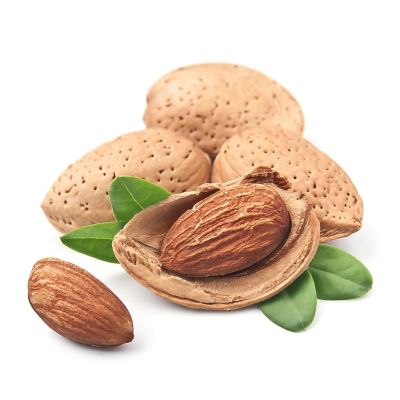
The almond tree blooms in February as the very first fruit tree, which is why it has become a symbol of spring in Mediterranean cultures. The coconut palm can produce nectar for over a hundred years, with one tree yielding up to 350 liters of sap per year. This sap is evaporated to produce coconut sugar, which retains the caramel flavor and minerals from the volcanic soil of tropical islands.
Roasted rice was originally added to tea as a cheap ingredient in times of poverty. However, the combination of rice and tea became so popular that it gave rise to a separate drink called genmaicha. The carrot slices in the tea blend beautifully complement the caramel tones of the coconut sugar.
Benefits of ingredients:


Tea packaging preview
We pack our teas in a strong, zip-lock aluminum packet which allows you to easily re-seal its contents. This container protects the quality of the tea against humidity, light or foreign odors, all of which could noticeably affect the quality of the brew.
Preparation
 100 °C
|
 8-10 minutes
|
 1 teaspoon for 150-200 ml
|
Instructions for preparation
- Pour 150-200ml of boiling water (100°C) per 1 teaspoon of tea.
- When brewing in a teapot add 1 extra teaspoon.
- Covered, let steep for 8-10 minutes, then remove the strainer.


| Energy value: | 13 kJ / 3 kcal |
| Fats: | 0.1 g |
| of which saturated: | 0.1 g |
| Carbohydrates: | 0.7 g |
| of which sugars: | 0.3 g |
| Proteins: | 0.1 g |
| Salt: | 0.01 g |
Are you looking for inspiration? Other customers have bought this: