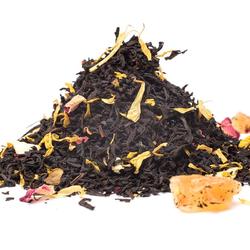
Chia-Goji – Green Tea


Where there's sencha, there's bliss. These green leaves from traditional Chinese gardens are good for the body and soul. Not for nothing have millions of tea lovers fallen for them. Take some inspiration and have a classic tea with a bit of novelty: chia seeds for stable blood sugar, goji berries for stronger immunity, lavender flowers for the ultimate relaxation. This tea will envelop you in a wonderful aroma and give you just what you need.
Shipping methods
| Nizozemská pošta HD - zásilkovna | Delivered by 22. 10. | 1,00 € |
|---|---|---|
 DHL DHL |
Delivered by 22. 10. | 4,90 € |


Ingredients
Green tea Sencha, 8 % Chia seeds, 7 % Goji, Lavender flowers, Natural aroma, Orange tree flower, Orange peel, Raspberry chunks, PomegranateBrew & Taste
Chia-Goji gives a yellow to yellow-green infusion. Even before you taste it, you will be delighted with the beautiful scent of a summer garden in bloom. In every sip, you'll be treated to refreshing, slightly floral notes.
Origins
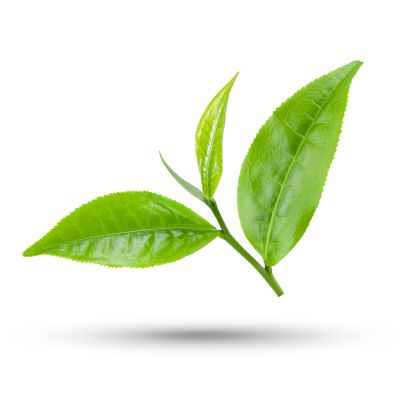
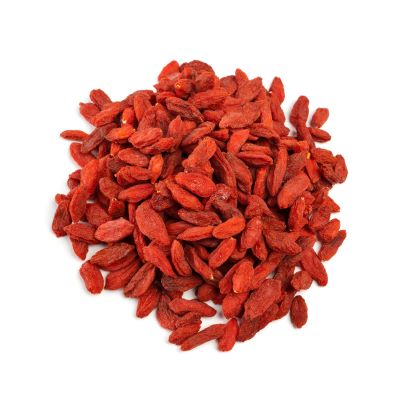
Before you brew this tea, take a good look at it. It would be a shame not to admire the long, narrow green sencha leaves, red goji, blue lavender flowers and white orange blossoms. When you've had your fill, read on to find out more about these unique ingredients. Sencha is a Japanese tea classic, but due to its high popularity, Chinese tea gardens have taken on some of the production. And they're not doing bad at all. On the contrary, it can be said that China Sencha achieves magnificent taste and aroma. This is due to the place where the tea plants grow, as well as the way the tea leaves are harvested and processed. The breeding of the Chinese tea plant (Camellia sinensis) also plays a role, suppressing the less welcome and emphasising the desirable flavors and aromas of the leaves. The bushes are usually plucked by hand by workers in unshaded plantations. Unlike the traditional Chinese practice of heating the leaves in pans, in this case they resort to repeated steaming to stop the fermentation in the leaves. Sencha is then folded (by machine or by hand), dried and sorted. In hot water, the emerald green needles are then unwrapped until they develop into the shape of the original leaves.
Sencha's popularity is not only for the pleasant taste and light floral scent, but also for its ability to help the body cope with certain ailments. These include high blood sugar levels or the risk of stroke or coronary heart disease. According to researchers at Ohio University Medical Center, sencha contains a significant amount of an enzyme-blocking substance that helps carcinogenic cells grow. It's called EGCG (Epigallocatechin-3-Gallate) and in one cup of this tea it can reportedly be measured at around 150mg.
The chia seeds we added to the blend are a source of omega-3 unsaturated fatty acids, antioxidants and calcium. They've been used by the Mayans and Aztecs to stave off hunger and maintain moderate blood sugar levels. Botanically, they are the seeds of the Salvia hispanica, which grows mainly in the mountains of Central America. Goji berries, i.e. the Chinese wolfberries, are considered to be the elixir of youth. They contain carotenoids, antioxidants, proteins and many vitamins (B vitamins, vitamin C and vitamin E). There are also minerals such as potassium, sodium, iron and others. Goji is especially popular in Asian countries. It is valued for its ability to support the kidneys, strengthen the heart, improve sleep and many others.
Benefits of ingredients:

Tea packaging preview
We pack our teas in a strong, zip-lock aluminum packet which allows you to easily re-seal its contents. This container protects the quality of the tea against humidity, light or foreign odors, all of which could noticeably affect the quality of the brew.
Preparation
 70-80 °C
|
 2-4 minutes
|
 1 teaspoon for 150-200 ml
|
Instructions for preparation
Pour 150-200ml of boiled water (70-80°C) per 1 teaspoon of tea.
When brewing in a teapot add 1 extra teaspoon.
Covered, let steep for 2-4 minutes, then remove the strainer.


| Energy value: | 13.04 kj / 3 kca |
| Fats: | 0 |
| Carbohydrates: | 0 |
| of which sugars: | 0 |
| Proteins: | 0.2 |
| Salt: | 0.03 |
Are you looking for inspiration? Other customers have bought this:
Lingonberry-Sea Buckthorn – Fruit Infusion
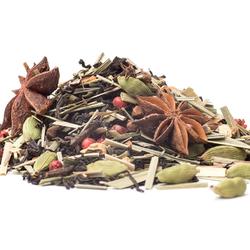
Masala Chai – Black Tea