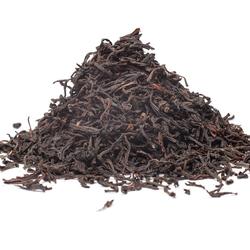
Ceylon Ruhuna OP1 – Black Tea

Let's make the journey to the south of Sri Lanka where tea grows fast and intense and without compromise and still stays levelled and elegant. It offers the signature flavor of Ceylon tea in a more cultured form: full, but not overpowering. Original, but not pretentious. And easy to return to every day. If you're done with eccentrics, this tea will pleasantly surprise you.
Shipping methods
| Nizozemská pošta HD - zásilkovna | Delivered by 5. 10. | 1,00 € |
|---|---|---|
 DHL DHL |
Delivered by 5. 10. | 4,90 € |


Ingredients
100 % Ceylon Ruhuna OP1 black teaBrew & Taste
This tea unfolds into a moderately full infusion with a calming and approachable impression. It won't overwhelm you with its complexity. On the contrary, it works with mild flavors and balance. The taste has a hint of malt, but stays decent and subtle rather than strong. The aroma is levelled and inconspicuous, allowing the tea to present its character without hindrance. The slight dryness in the finish nicely and elegantly closes the taste instead of disrupting it.
Origins

The Ruhuna tea gardens are located at altitudes of approximately 600 meters, often in hilly terrain with red, mineral-rich soil. The tropical climate, characterized by high humidity and consistently warm temperatures, creates an environment in which the tea plant (Camellia sinensis) grows rapidly and almost without pause. This means more frequent harvests of larger, meatier leaves containing more tannins. Thanks to these, Ruhuna teas exhibit a characteristic fullness and a darker color of the final tea.
But before tea became a symbol of the island, it was dominated by coffee. Everything changed with a fungal disease which destroyed most of the coffee plantations in the 19th century. When the Scottish farmer James Taylor planted the first commercial tea plants in 1867, he set in motion Sri Lanka’s transformation into one of the world’s leading tea powers. The British colonial administration subsequently expanded tea cultivation and processing across the island and laid the foundations for a system that still remains in place today.
Unlike high-altitude regions, where the growth of tea plants is slowed by lower temperatures and fog, Ruhuna has a more dynamic, straightforward character. The sun is intense, rainfall is regular, and the soil retains moisture well, allowing tea plants to regenerate quickly and produce a more robust leaf. Ceylon Ruhuna OP1, however, reveals a gentler side of the region. It comes from plantations such as the New Vithanakande Estate, which emphasizes gentle processing and preserving the leaf’s natural character.
The OP1 designation suggests long, thin leaves, though in this case they are less uniform and less ""polished"". It is precisely this natural character that gives this tea a part of its charm. Ruhuna embodies the energy of the tropics, rapid growth, and a little genuine wilderness. This tea captures it in a calmer, very drinkable form.
Benefits of ingredients:
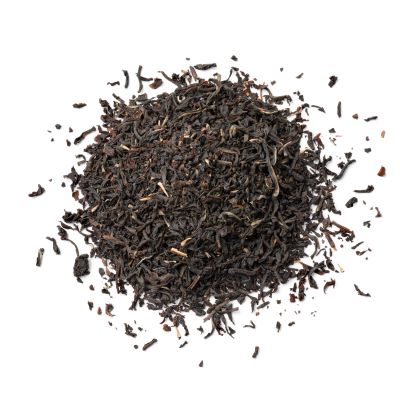

Tea packaging preview
We pack our teas in a strong, zip-lock aluminum packet which allows you to easily re-seal its contents. This container protects the quality of the tea against humidity, light or foreign odors, all of which could noticeably affect the quality of the brew.
Preparation
 100 °C
|
 2-3 minutes
|
 1 teaspoon for 150-200 ml
|
Instructions for preparation
- Pour 150-200 ml of boiled water (100°C) per 1 teaspoon of tea.
- When brewing in a teapot, add 1 extra teaspoon.
- Covered, steep for 2-3 minutes, then remove the strainer.


Are you looking for inspiration? Other customers have bought this:
China Gunpowder – Green Tea
China Yunnan FOP – Black Tea