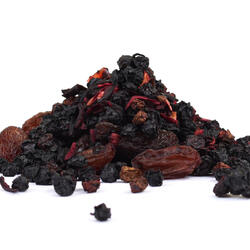
Yerba Mate Ginger


Peppery, earthy and exceptionally full of energy – that’s the blend of mate, ginger and pink pepper. This tea can alleviate both mental and physical fatigue, help maintain a healthy weight and even support your cardiovascular system. And since yerba doesn’t have any recommended daily intake, you can sip on this delicious tea all day long.
Shipping methods
| Nizozemská pošta HD - zásilkovna | Delivered by 15. 10. | 1,00 € |
|---|---|---|
 DHL DHL |
Delivered by 15. 10. | 4,90 € |


Ingredients
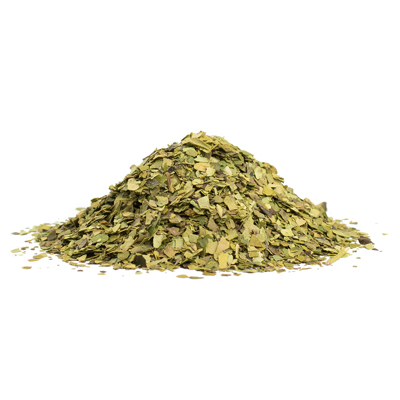
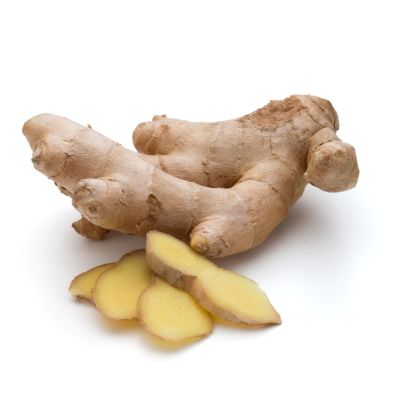
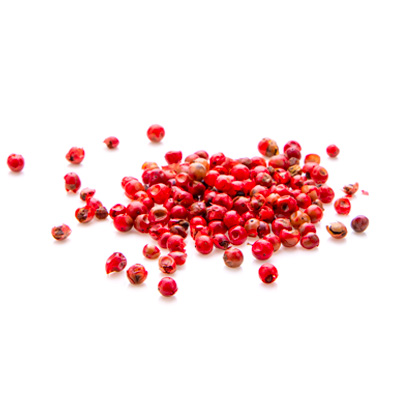
86 % Yerba Mate, 10 % Ginger chunks, Pink Pepper, Natural aromaBrew & Taste
Tasting the Yerba Mate Ginger is one of those unforgettable experiences – in a good way, of course. On one hand, it’s mild and very pleasant, but on the other it is a unique combination of earthy tones of mate, zesty taste of ginger and spicy pink pepper. This tea has a light yellow color.
Origins
Yerba mate is prepared by steeping the leaves in hot water. It’s traditionally served in a container called a maté gourd and sipped through a metal straw with a filter known as a bombilla. This ritual is deeply rooted in South American culture and drinking yerba mate together symbolizes friendship and hospitality.
You, of course, can prepare this tea blend in the same way. Besides a great experience, you'll also get a valuable source of antioxidants, vitamins and minerals. The leaves and twigs of the Paraguayan holly (Ilex paraguariensis), from which mate is made, contain a range of bioactive substances including caffeine, theobromine and theophylline, as well as vitamins A, B1, B2, B3, B5, C, E, and minerals like magnesium, potassium, calcium, iron and zinc. That's worth a try, don't you think?
If you're wondering about the Paraguay holly; it’s an evergreen tree that grows up to 15m and has dark green, leathery, oval leaves with finely toothed edges. Its flowers are small, white and arranged in clusters, while the fruit takes the form of red berries. The plant is native to South America, specifically to the regions of Paraguay, Argentina, southern Brazil and Uruguay. It grows in subtropical rainforests, where it thrives in a warm and humid climate. The history and use of yerba mate goes way back. Native South Americans, especially members of the Guaraní tribe, consumed the leaves of yerba mate for its stimulating effects and as part of rituals. In the 16th century, European colonizers were introduced to them, and later Jesuit missionaries even began systematically cultivating these plants. Thanks to the trade, they quickly spread throughout South America.
When we added ginger to yerba mate, we had a very good reason: this old, valuable root contains gingerol, shogaol, zingiberene, vitamin C, B vitamins (such as niacin) and minerals such as magnesium, potassium and manganese. These make ginger anti-inflammatory and promote vitality, healthy bones and joints, normal cardiovascular function and normal blood sugar levels. Ginger roots are massive, with clove-like parts that are sold either fresh or dried. The root has a characteristic yellowish or reddish tint, and its surface is wavy and bumpy. In the wild, it grows mainly in tropical areas of Asia, but it’s often cultivated in India, China or Japan and is also an essential crop in areas such as Jamaica or Thailand.
The history of ginger goes back thousands of years. It has been used in ancient India and China, and during the times of the Roman Empire it was one of the valuable trade items transported along the Silk Road to Europe.
Benefits of ingredients:

Tea packaging preview
We pack our teas in a strong, zip-lock aluminum packet which allows you to easily re-seal its contents. This container protects the quality of the tea against humidity, light or foreign odors, all of which could noticeably affect the quality of the brew.
Preparation
 70-80 °C
|
 3-5 minutes
|
 1-2 teaspoons for 200 ml
|
Instructions for preparation
Add 1-2 teaspoons of yerba maté per 200ml of boiled water (70-80°C)
Steep for 3-5 minutes. Longer times equal stronger brew. Do not steep longer than 5 minutes to avoid bitter flavor.
Optionally, flavor with lemon or maple syrup.


Are you looking for inspiration? Other customers have bought this:
Vanilla Plum – Fruit Infusion
Child's Dream – Fruit Infusion